
Arthur Miller Reveals Marilyn Monroe Marriage Secrets

Newly discovered recordings feature Arthur Miller discussing his marriage to Marilyn Monroe, fame, self-doubt, and personal struggles in intimate conversations.
In a remarkable discovery that sheds new light on one of Hollywood's most famous relationships, Arthur Miller has opened up about his marriage to Marilyn Monroe in newly unearthed audio recordings spanning nearly three decades. These intimate taped conversations, conducted with his friend and biographer Professor Christopher Bigsby, reveal the complex emotional landscape of their relationship and provide unprecedented insight into the legendary playwright's innermost thoughts about love, marriage, and responsibility.
The newly discovered recordings capture Miller discussing the fundamental incompatibilities that plagued his union with Monroe, one of cinema's most iconic figures. According to Miller's candid reflections, Monroe sought a husband who could simultaneously fulfill multiple roles in her life—functioning as a "father, lover, friend and agent" all at once. This multifaceted expectation, Miller explained, created an impossible standard that no single person could realistically meet, revealing the deep emotional needs that Monroe carried into their relationship.
Beyond the immediate challenges of their marriage, Miller articulated a haunting observation about Monroe's psychological state, revealing that he lived with a constant awareness of her vulnerability. He described his perception that "death was always on her [Monroe's] shoulder – always," a chilling characterization that suggests he viewed her life as perpetually fragile and precarious. This grim awareness shaped his approach to the marriage, compelling him to believe that he bore a responsibility to actively protect her from harm.

In his reflections, Miller acknowledged the burden of caretaking that he had assumed within the relationship. He emphasized that he felt compelled to "take care of her life" because he genuinely believed that without his intervention and protection, Monroe would inevitably come to a "catastrophic end." This sense of responsibility, while stemming from care and concern, also highlighted the emotional weight that Miller carried throughout their time together. The playwright's words reveal a man caught between love for his partner and the exhausting demands of trying to save someone from their own internal struggles.
The Marilyn Monroe and Arthur Miller relationship was marked not only by romantic passion but also by deep psychological complexity. Monroe's desire to have children, which Miller addressed in the recordings, became another point of tension in their marriage. Miller suggested that adding a child to their already strained dynamic would have presented an "additional problem" rather than a solution. This pragmatic—and somewhat clinical—assessment reveals how Miller viewed the practical realities of their situation, even as he grappled with his wife's emotional and existential needs.
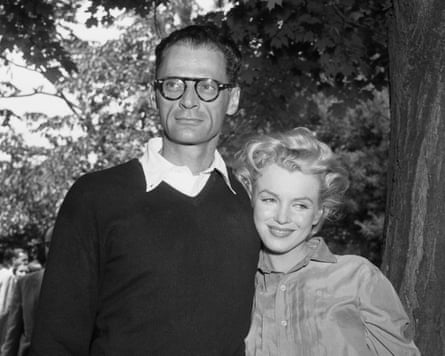
These audio recordings represent far more than just gossip or personal reminiscence; they constitute a significant historical document that contextualizes Miller's creative work and life philosophy. Throughout his career, Miller had explored themes of responsibility, failure, and the American dream in plays like "Death of a Salesman" and "The Crucible." His personal struggles in his marriage to Monroe appear to have resonated with and influenced the existential questions embedded in his dramatic work. The recordings demonstrate how his lived experiences directly informed his artistic vision and his understanding of human vulnerability.
Miller's discussions with Bigsby also encompassed his complex relationship with fame itself, a topic closely intertwined with his feelings about Monroe. As one of the 20th century's greatest playwrights, Miller had achieved tremendous professional success, yet he grappled with the ways that celebrity culture shaped and distorted personal relationships. Monroe, as one of the era's most famous actresses, existed at an even more intense level of public scrutiny and obsession. The collision of their two worlds of fame created unique pressures that contributed to the breakdown of their marriage.

Beyond the intimate details of his marriage, Miller's recorded conversations with Bigsby ranged across several significant themes that defined his life and work. The playwright discussed his personal struggles with self-doubt, a sentiment that may surprise those familiar with his monumental literary achievements. Despite his critical acclaim and the enduring power of his plays, Miller experienced genuine uncertainty about his abilities and his worth as an artist. These vulnerabilities humanize the titan of American theater and demonstrate that even the greatest creative minds wrestle with imposter syndrome and existential insecurity.
The recordings also touch upon Miller's fraught relationship with issues of communism and political ideology, topics that had significant consequences for his career and reputation. During the McCarthy era, Miller faced intense scrutiny from government authorities and was called to testify before the House Committee on Un-American Activities. His principled stance during this period, refusing to name names or betray his principles, cost him dearly. Through his conversations with Bigsby, Miller reflected on how these political pressures intersected with his personal life and creative work, illustrating the interconnectedness of public and private struggle.
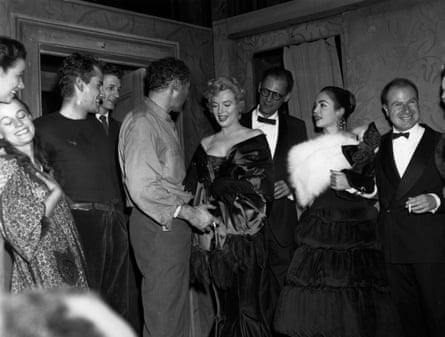
The discovery of these newly unearthed recordings marks an important moment for scholars, historians, and fans of both Miller and Monroe. For decades, much of what has been publicly known about their relationship has come through secondary sources, interviews, and biographies. Now, with Miller's own voice providing direct testimony about his thoughts, feelings, and experiences, a more nuanced and authentic understanding becomes possible. These recordings offer an opportunity to move beyond speculation and legend to hear directly from Miller himself about one of the most significant relationships of his life.
The relationship between Miller and Monroe, brief as it was, remains one of the most scrutinized and romanticized partnerships in entertainment history. Yet through these recordings, what emerges is not a fairy tale but rather a complex human drama—two extraordinary individuals struggling to bridge the gap between their individual needs and the external demands placed upon them by fame, expectation, and their own psychological vulnerabilities. Miller's willingness to discuss these painful experiences with honesty and introspection provides valuable insights into the real costs of celebrity and the limitations of love in the face of deep personal crisis.
As these recordings continue to be analyzed and discussed by historians and cultural critics, they will likely reshape how audiences understand not only Miller and Monroe's marriage but also Miller's entire body of work. The playwright's themes of responsibility, guilt, and the search for meaning take on new resonance when viewed through the lens of his personal struggles with Monroe. These Arthur Miller recordings ultimately serve as a poignant reminder that even the greatest artists are fundamentally human, subject to the same doubts, fears, and limitations that affect us all.
Source: The Guardian


