
Arts and Culture Slow Down Biological Aging

New UCL research reveals that engaging in arts activities like painting, singing, and museum visits can significantly slow biological aging and improve health outcomes.
A groundbreaking study from University College London has unveiled compelling evidence that arts and cultural engagement can have profound effects on how quickly our bodies age at a cellular level. The research demonstrates that people who actively participate in artistic pursuits or regularly attend cultural events experience measurable improvements in their biological aging rates, challenging conventional wisdom about what truly impacts longevity and health.
The study represents a significant breakthrough in understanding the relationship between cultural activities and physical wellbeing. Researchers found that singing, painting, visiting art galleries, and attending museum exhibitions all contribute to slowing the pace of biological aging. This discovery opens new avenues for health intervention and suggests that cultural enrichment should be considered alongside traditional health recommendations like exercise and nutrition.
According to the latest findings from this comprehensive research initiative, both passive participation—such as attending cultural events and exhibitions—and active engagement in arts activities produce measurable biological benefits. The participants who regularly engaged in these pursuits showed signs of slower aging at the cellular and molecular levels, indicating that health outcomes can be substantially improved through cultural involvement.
The research team conducted extensive analysis examining various biomarkers associated with aging processes. They measured molecular indicators that typically accelerate with age and found that consistent arts participation was associated with better preservation of these markers. This suggests that the benefits extend beyond mental health and quality of life, reaching into the fundamental biological processes that govern how we age.
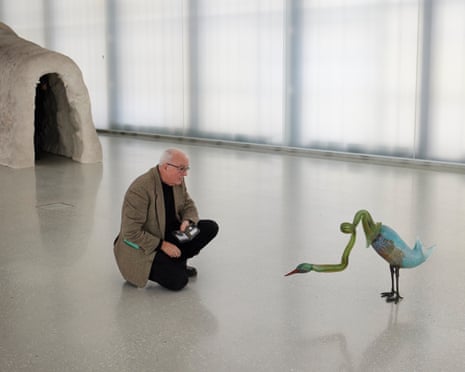
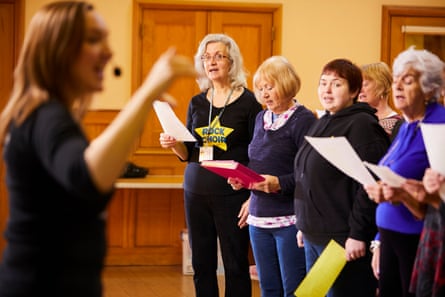
One particularly noteworthy aspect of the findings is that both creating art and consuming art through museum and gallery visits produced similar positive effects. Whether individuals were actively painting, singing in choirs, or attending exhibitions, they demonstrated comparable biological advantages. This democratization of the benefits means that people with varying levels of artistic skill or mobility can still experience the anti-aging effects through appropriate forms of cultural engagement.
The mechanisms underlying these benefits likely involve multiple pathways. Biological aging is influenced by stress levels, cognitive engagement, social connection, and emotional wellbeing—all factors that arts and culture can positively impact. When people engage in creative activities, they often experience reduced stress, improved mood regulation, and stronger social bonds, all of which have documented effects on aging processes at the cellular level.
Previous research has established connections between cultural engagement and mental health benefits, but this study represents the first comprehensive examination of how such activities influence biological markers of aging. The findings align with growing evidence that lifestyle factors play crucial roles in determining not just how long we live, but how healthily we age throughout our lifespan.
The implications of this research extend beyond individual health recommendations. Public health officials and policymakers may need to reconsider the importance of funding and accessibility of arts programs as legitimate health interventions. If cultural engagement can measurably slow biological aging, then supporting museums, art programs, and community singing groups becomes not just a matter of cultural preservation, but of public health investment.
The research team emphasized that these findings do not suggest arts activities should replace traditional health measures like regular exercise and balanced nutrition. Rather, they indicate that arts and health should be viewed as complementary approaches to promoting longevity and wellbeing. A comprehensive approach to healthy aging might include regular physical activity, good nutrition, social connection, cognitive stimulation, and active participation in cultural and artistic pursuits.
For older adults in particular, these findings suggest new possibilities for maintaining health and vitality. Many seniors find traditional exercise programs difficult or inaccessible, but cultural activities and arts participation may offer engaging alternatives that deliver comparable biological benefits. Community centers, libraries, and cultural institutions could potentially expand their programs to serve as health promotion venues.
The study's results also highlight the importance of social engagement in the aging process. Many arts activities—such as choir singing, group painting classes, or guided museum tours—involve social interaction, which has its own documented benefits for aging and cognitive health. The combination of creative engagement, social connection, and cognitive stimulation may explain the robust effects observed in the research.
As populations continue to age globally, finding effective interventions to promote healthy aging becomes increasingly critical. This research suggests that integrating arts and cultural activities into public health strategies could be a cost-effective approach to improving population health outcomes. The accessibility of these interventions—many can be pursued with minimal financial investment or physical strain—makes them particularly promising for diverse populations.
Future research will likely explore which specific types of arts activities provide the greatest benefits, whether certain populations benefit more than others, and how frequency and intensity of engagement affect outcomes. Understanding these nuances could help optimize cultural health interventions and provide more tailored recommendations for individuals seeking to maximize the anti-aging benefits of arts participation.
This groundbreaking research from UCL adds to a growing body of evidence that health and wellbeing are multifaceted, influenced not just by physical factors but by intellectual engagement, emotional expression, and cultural participation. As healthcare systems worldwide grapple with the challenges of aging populations and chronic disease management, insights into how cultural engagement promotes biological health offer valuable new perspectives on prevention and wellness strategies that can enhance human flourishing across the lifespan.
Source: The Guardian

