
Asia Turns to Coal Amid Iran War-Fueled Energy Crisis

As the US-Israel war with Iran causes energy shortfalls, Asian nations are ramping up their use of coal, the dirtiest fossil fuel, sparking concerns from climate experts.
Facing a crippling energy crisis triggered by the escalating conflict between the United States, Israel, and Iran, governments across Asia are being forced to make some tough choices. Compelled to find alternative sources of power to make up for the shortfalls, many are turning to the dirtiest of fossil fuels - coal.
South Korea, for example, has announced it will delay the shutdown of several of its coal-fired power plants, a move that directly contradicts the country's previous commitments to reduce carbon emissions and transition towards cleaner energy sources. Similarly, the Philippines has unveiled plans to boost the output of its own coal-burning plants, further contributing to the region's reliance on this highly polluting fuel.
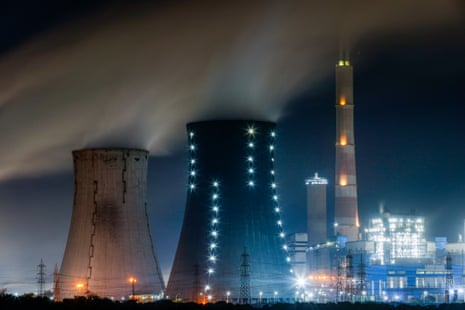
This troubling trend has raised alarms among climate experts, who warn that the increased use of coal will have devastating environmental consequences. Coal is the dirtiest of all fossil fuels, producing far higher levels of greenhouse gas emissions, air pollution, and other harmful byproducts compared to natural gas or renewable energy sources.
"The energy crisis should be a wake-up call for governments to invest in renewables," said Dr. Mei Ling, a leading climate scientist. "Renewable energy can offer a more stable, sustainable supply that is less vulnerable to price shocks and geopolitical tensions. This is a short-sighted move that will have long-lasting repercussions on the environment and public health."
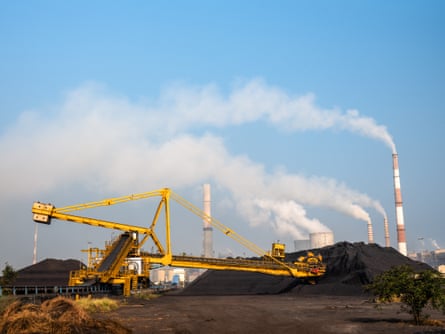
Yet, with the conflict in the Middle East raging on and energy supplies dwindling, many Asian nations feel they have little choice but to turn to coal as a quick, if dirty, fix. The question remains whether this temporary measure will lead to a long-term regression in the region's efforts to combat climate change and transition towards a greener future.
"This is a deeply concerning development," said environmental activist Jia Wen. "We can't afford to take steps backwards in the fight against climate change. Governments need to double down on renewable energy investments and find more sustainable solutions to this energy crisis, even if it means short-term pain."
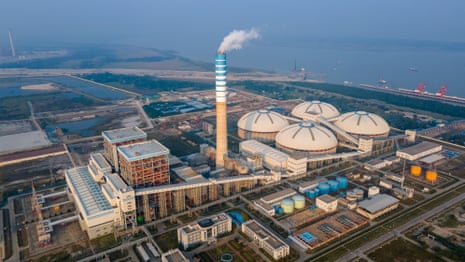
As the world watches anxiously, the decisions made by Asian leaders in the coming months will have far-reaching implications not just for the region, but for the global effort to combat the climate crisis. The path forward is fraught with challenges, but many hope that this crisis can serve as a catalyst for a renewed commitment to sustainable, clean energy solutions.
Source: The Guardian


