
Assisted Dying Bill Divides: Democracy at Stake

Supporters and opponents clash over failed assisted dying legislation in England and Wales, with accusations of undemocratic tactics from both sides.
The contentious debate surrounding assisted dying legislation has reached a breaking point, with passionate advocates and opponents trading accusations of obstruction and undemocratic practices following the failure to establish new legal frameworks for terminally ill patients in England and Wales. The collapse of legislative efforts to provide compassionate end-of-life options has reignited fierce disputes between those who champion patient autonomy and those who express concerns about potential safeguarding vulnerabilities.
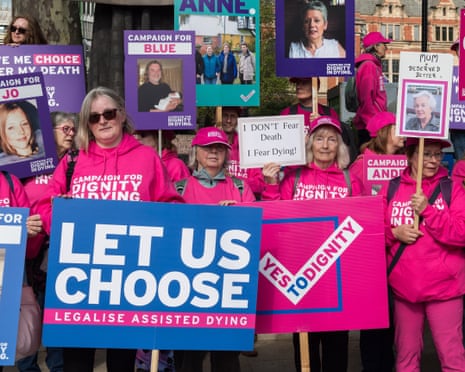
Campaigners supporting the terminally ill adults (end of life) bill have expressed deep frustration and anger at what they characterize as sabotage orchestrated by a small group of unelected members of the House of Lords. These advocates argue that the democratic process has been undermined by peers who leveraged procedural mechanisms to prevent the legislation from advancing, despite its passage through the democratically elected House of Commons. The tension between parliamentary chambers has highlighted fundamental questions about representation, legitimacy, and the proper role of each institution in the legislative process.
Supporters of the bill, many of whom are terminally ill patients facing unbearable suffering from conditions with less than six months remaining, have become increasingly vocal about their frustration with what they perceive as an infringement on their personal autonomy and dignity. These individuals argue that the right to choose the timing and manner of their death represents a fundamental human freedom that should be protected by law. Their personal testimonies have brought emotional weight to the debate, underscoring the lived experiences of those directly affected by the absence of such legislation.
The debate has become increasingly polarized, with opponents of assisted dying legislation raising concerns about potential safeguarding vulnerabilities that could affect elderly, disabled, or economically disadvantaged populations. Critics argue that despite proposed regulatory frameworks and strict eligibility criteria, the legislation could inadvertently create pathways for coercion, financial pressure, or subtle influence that might compromise genuine consent. These concerns have been articulated by disability rights organizations, religious groups, and medical professionals who question whether adequate protections could ever be sufficiently robust to prevent misuse.
The legislative gridlock has prompted serious discussions about the constitutional relationship between the House of Commons and House of Lords, particularly regarding the proper scope of upper chamber authority in blocking measures that have received democratic approval from elected representatives. Supporters of the bill contend that unelected peers should not possess the power to indefinitely obstruct legislation that reflects the will of the Commons and, according to public opinion surveys, enjoys substantial support among the general population. This constitutional tension extends beyond the specific issue of assisted dying and touches upon broader questions about parliamentary sovereignty and democratic representation.
Public opinion research has consistently demonstrated that a significant majority of British citizens support the legalization of assisted dying under carefully regulated circumstances, particularly for terminally ill patients experiencing severe suffering. Polling data indicates that support exceeds 70 percent among the general electorate, suggesting a meaningful disconnect between public sentiment and legislative outcomes. This divergence has prompted questions about whether the democratic process is adequately reflecting constituent preferences on this deeply personal issue.
Medical professionals remain divided on the issue, with some physicians expressing concerns about potential conflicts with established end-of-life care practices and their traditional role as healers, while others argue that compassionate medical care should include facilitating patient choice regarding death when suffering becomes intolerable. Professional medical organizations have grappled with developing ethical guidelines and position statements that balance competing considerations of patient autonomy, professional integrity, and safeguarding vulnerable populations. These internal professional debates have contributed additional complexity to an already multifaceted policy discussion.
The procedural mechanisms employed to block the assisted dying bill have themselves become a focal point of controversy, with supporters arguing that parliamentary tactics were weaponized to prevent democratic progress. They contend that amendments designed specifically to obstruct rather than improve the legislation represented bad-faith parliamentary practice that undermined legitimate legislative processes. This procedural dispute has overshadowed substantive policy discussions in some respects, creating frustration about how institutional mechanisms can be deployed to achieve policy objectives that might not reflect broader democratic preferences.
Opponents of assisted dying legislation have framed their opposition in terms of protecting vulnerable populations and upholding sanctity-of-life principles that have traditionally underpinned medical ethics and law. They argue that legalizing end-of-life assistance represents a fundamental shift in societal values that extends beyond individual choice to implicate broader questions about which lives are worth living and how societies should value vulnerable members. These philosophical and ethical concerns have driven principled opposition that extends across religious, secular, disability rights, and medical communities.
International comparisons have featured prominently in recent discussions, with proponents pointing to jurisdictions where assisted dying has been legalized and noting generally positive experiences regarding safeguarding and patient outcomes. Countries including the Netherlands, Belgium, Switzerland, and certain Canadian provinces have implemented various regulatory frameworks that supporters cite as models for potential English and Welsh legislation. Opponents counter that cultural, institutional, and demographic differences between jurisdictions complicate direct comparisons and that lessons from other contexts may not translate effectively to the British context.
The failure of the recent legislative attempt has prompted reflection among campaigners about future strategies and approaches needed to advance their objectives. Both sides appear committed to continuing their advocacy efforts through various channels, including public campaigns, political engagement, and continued parliamentary initiatives. The emotional intensity and fundamental principles at stake suggest that this debate will remain central to British political discourse for the foreseeable future, with both advocates and opponents demonstrating determination to influence eventual outcomes regarding assisted dying policy in England and Wales.


