
Aukus Nuclear Sub Plan at Risk Over UK Funding Crisis

UK parliamentary inquiry warns of 'cracks' in Aukus submarine funding. Australia's security threatened as British shipbuilding faces decades of underfunding and critically low submarine availability.
A damning British parliamentary investigation has exposed serious vulnerabilities in the Aukus nuclear submarine agreement, raising alarm bells about the future viability of one of the most ambitious defence partnerships in the Indo-Pacific region. The House of Commons defence committee's comprehensive report paints a troubling picture of underfunded infrastructure and systemic challenges that could fundamentally undermine Australia's strategic security objectives and the broader coalition's deterrence capabilities in the region.
The committee's findings reveal that "cracks are already beginning to show" in the foundational financial architecture supporting the Aukus framework, which represents a transformative partnership between the United Kingdom, United States, and Australia aimed at countering regional security threats. This stark warning suggests that the ambitious timelines and strategic expectations underpinning the agreement may face substantial delays and complications. Australia, as a critical partner in this trilateral arrangement, finds itself increasingly vulnerable to the UK's capacity challenges, creating a precarious situation that could reshape the security landscape of the Indo-Pacific for years to come.
The parliamentary inquiry specifically highlighted that UK shipbuilding has been chronically under-funded for decades, creating a structural deficit in the nation's industrial capacity to deliver on its international commitments. This historical underfunding has created a skills gap, supply chain deficiencies, and technological degradation that cannot be rapidly reversed through short-term financial injections. The report underscores that resolving these deep-seated issues will require sustained investment, strategic planning, and political commitment over an extended timeline, raising questions about whether the current trajectory aligns with the strategic imperatives driving the Aukus partnership.

One of the most alarming findings concerns critically low submarine availability within the Royal Navy, which directly impacts the UK's credibility as a partner in the Aukus arrangement. The defence committee's assessment indicates that the existing fleet of submarines is operating at reduced capacity due to maintenance backlogs, personnel constraints, and aging vessel platforms. This operational vulnerability becomes particularly significant when considering that the Aukus agreement relies heavily on British technical expertise, design knowledge, and industrial capacity to manufacture advanced nuclear submarines for Australia.
The security implications of these funding shortcomings extend beyond mere schedule delays or cost overruns. Australia has made substantial political and strategic commitments based on the assumption that the UK could reliably deliver advanced submarine capabilities within agreed timeframes. Any significant slippage in the Aukus programme creates a capability gap that potentially exposes Australia to regional security risks, particularly given the dynamic strategic environment in the Indo-Pacific. The parliamentary report effectively serves as a cautionary document, warning policymakers in Canberra that the pathway to acquiring these submarines remains fraught with logistical and financial uncertainties.
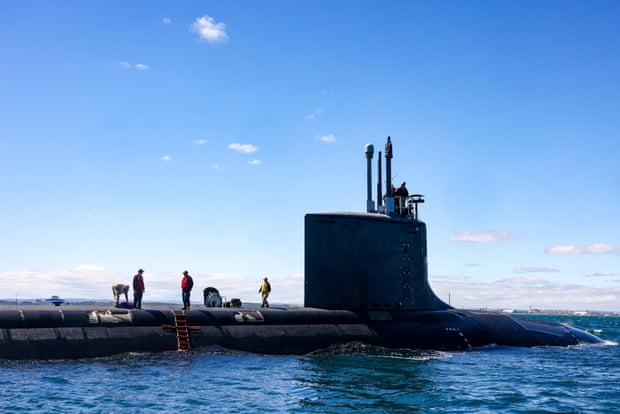
The House of Commons defence committee's investigation represents an independent assessment of the Aukus nuclear submarine programme's fundamental viability, drawing upon expert testimony, government submissions, and detailed analysis of defence spending patterns. The committee's authority and impartiality lend significant weight to its conclusions, suggesting that these are not mere political posturing but rather evidence-based concerns grounded in substantial research and investigation. The identification of structural problems in UK shipbuilding capacity indicates that cosmetic policy adjustments will prove insufficient to address the underlying challenges identified in the report.
The timing of these revelations is particularly significant, coming at a moment when the three Aukus partners are attempting to accelerate collaboration and demonstrate tangible progress on the submarine initiative. The parliamentary inquiry effectively highlights the gap between ambitious political rhetoric and the pragmatic realities of industrial execution. For Australia, which has positioned the nuclear submarine acquisition as central to its defence modernisation strategy, the report's warnings demand serious reconsideration of procurement timelines and risk mitigation strategies. The nation's strategic planning must now account for the realistic possibility that submarine deliveries could face substantial delays beyond currently projected dates.
The financial dimension of the Aukus funding shortfall deserves particular scrutiny, as it suggests that current budgetary allocations to UK shipbuilding are insufficient to simultaneously maintain existing capabilities while simultaneously developing new submarine technologies for the Australian partnership. This creates a zero-sum dynamic where resources allocated to Aukus-related development may come at the expense of maintaining the Royal Navy's operational submarine fleet. Such trade-offs could create security complications for the UK itself while simultaneously undermining the credibility of British commitments to allied nations throughout the broader Indo-Pacific security architecture.
The report's warnings about "shortcomings and failures" in the existing arrangements suggest that without substantial corrective action, the Aukus initiative faces genuine existential risks to its long-term success. These are not speculative concerns or worst-case scenarios, but rather documented assessments of structural problems identified through rigorous parliamentary scrutiny. For policymakers in London, Canberra, and Washington, the findings represent a critical inflection point requiring decisive action to address funding inadequacies and industrial capacity constraints. The window for implementing corrective measures remains open, but the clock is ticking as strategic timelines continue to advance.
Looking forward, the Aukus partnership's success will depend fundamentally on whether the UK government can translate parliamentary warnings into concrete policy responses that address the funding crisis and industrial capacity challenges. This will likely require supplementary defence appropriations, strategic workforce development initiatives, and potentially revisions to delivery timelines to reflect realistic manufacturing constraints. Australia must simultaneously prepare contingency strategies in case the Aukus programme experiences further delays, ensuring that its defence modernisation pathway remains robust even if submarine deliveries extend beyond currently anticipated dates. The stakes of getting this right extend far beyond the three immediate partners, influencing regional stability and the broader architecture of Indo-Pacific security arrangements.


