
Australia Battles Flash Floods as Victoria Infrastructure Faces $57bn Climate Risk

Queensland experiences severe flash flooding on Gold Coast roads while Victoria confronts $57 billion in infrastructure threats from escalating climate hazards. Live updates.
Australia is grappling with severe weather emergencies on multiple fronts as flash flooding sweeps across Queensland's Gold Coast region, with authorities maintaining active flood warnings and urging residents to exercise extreme caution on affected roadways. The deluge has prompted widespread concern about infrastructure damage and public safety, with meteorological services closely monitoring conditions as the situation continues to develop across the eastern seaboard.
In a parallel crisis, Victoria's infrastructure faces an alarming financial exposure of $57 billion as climate hazards intensify across the state. This staggering figure represents the cumulative value of critical infrastructure systems—including roads, bridges, utilities, and public facilities—that remain vulnerable to increasingly severe weather events driven by shifting climatic patterns. Experts warn that without comprehensive adaptation strategies and substantial investment in resilience measures, the economic consequences could prove catastrophic for the state's economy and quality of life.
The dual crises underscore the mounting pressures that climate change continues to exert on Australia's infrastructure networks and emergency management systems. State and federal authorities are collaborating to assess damage, coordinate response efforts, and develop long-term mitigation strategies to protect communities and essential services. The flooding events in Queensland have prompted renewed calls for enhanced drainage systems and improved urban planning to better accommodate extreme weather events.
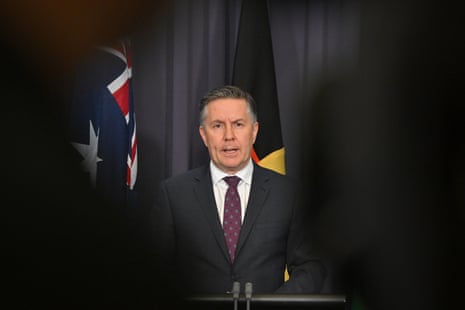
Meanwhile, the Coalition's opposition has advanced proposals regarding welfare policy that have sparked considerable debate about citizenship requirements and immigrant support systems. Shadow immigration minister Jonno Duniam has characterized the Coalition's approach to restricting welfare payments exclusively to Australian citizens as an incentive mechanism rather than a punitive measure. According to Duniam's statements, the proposal is designed to encourage permanent residents to pursue the pathway to full citizenship, framing it as a positive motivation for integration rather than exclusionary policy.
Duniam emphasized that permanent residents would still face extended waiting periods under Australia's visa system before becoming eligible for various welfare benefits. He highlighted that under the current Labor government's framework, wait times for accessing different support programs range between four and ten years for many individuals seeking assistance. This structural reality, he contends, means that implementing citizenship-based welfare restrictions would not substantially alter existing timelines that permanent residents must navigate.
The shadow minister's comments reflect Coalition concerns about housing availability and resource allocation in an increasingly strained social services environment. Duniam stressed the party's commitment to preserving quality public services for those who ultimately achieve Australian citizenship status, suggesting that targeted welfare policies could ensure sustainable support systems for all citizens. The Coalition's position reflects broader debates about immigration policy, social cohesion, and the appropriate role of government in providing assistance to different population groups.
The budget reply proposal advanced by Coalition leadership, particularly shadow treasurer Angus Taylor, incorporates several economic and social policy adjustments designed to present an alternative vision to Labor's governance approach. Taylor's comprehensive budget response addresses taxation, infrastructure investment, and welfare administration as interconnected components of a broader economic strategy. The proposal has generated significant public and political discussion about the appropriate balance between fiscal responsibility and social support obligations.
As Queensland continues managing the immediate impacts of severe flooding, emergency services remain actively deployed across affected regions to assist stranded residents, conduct rescue operations where necessary, and assess infrastructure damage. Local councils are coordinating with state authorities to document losses and activate disaster relief mechanisms. The flooding serves as a stark reminder of Australia's vulnerability to extreme weather events and the critical importance of maintaining robust emergency response capabilities.
Victoria's assessment of $57 billion in infrastructure vulnerability reflects comprehensive risk analyses conducted by engineering experts and climate scientists evaluating exposure across multiple sectors. Transportation networks, water management systems, power distribution infrastructure, and telecommunications facilities all face measurable risks from intensifying climate impacts. State planners are developing prioritized investment strategies to address the most critical vulnerabilities while building broader resilience into infrastructure systems.
Government officials from both states are engaging with federal counterparts to secure funding commitments and coordinate disaster response efforts. The convergence of immediate flooding emergencies and longer-term infrastructure threats underscores the multifaceted nature of climate-related challenges confronting Australia. Policy discussions increasingly focus on the integration of emergency management, infrastructure investment, and climate adaptation as essential components of comprehensive national strategy.
For residents and businesses affected by flooding, authorities have established support hotlines, emergency assistance centers, and information channels to facilitate access to relief services. Insurance companies are preparing to process claims as damage assessments proceed across affected properties. Community organizations and volunteer groups have mobilized to provide immediate assistance to vulnerable populations impacted by the weather events.
The combination of acute weather emergencies and chronic infrastructure vulnerabilities presents complex policy challenges requiring sustained attention from government agencies, private sector partners, and community stakeholders. Ongoing monitoring systems track both immediate flood conditions and longer-term climate trends informing infrastructure planning decisions. As Australia navigates these overlapping crises, the emphasis on preparedness, investment, and adaptive capacity continues to intensify across political and technical domains.


