
Australia Blocks Iranian Tourists for 6 Months Amid Middle East Tensions

Australian government bans Iranian nationals with valid tourist visas from entering the country for 6 months over concerns they may not be able to return home.
In a controversial move, the Australian government has blocked Iranian nationals with valid tourist visas from entering the country for the next six months. This decision, triggered by Home Affairs Minister Tony Burke, is a response to concerns that visitors may not be able to return to Iran amid the ongoing tensions in the Middle East.
The ban could apply to more than 7,000 Iranians who currently hold valid tourist visas, though the government has stated that some may still be given special consideration to enter the country. Burke justified the decision, saying that "decisions about permanent stays should be 'deliberate decisions of the government, not a random consequence of who booked a holiday'".
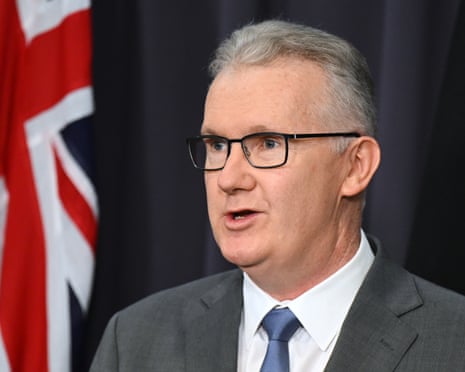
This move has been met with significant backlash, with some calling it a "massive betrayal" of Iranian nationals who had already made plans and purchased tickets to visit Australia. Critics argue that the decision unfairly punishes individuals who had no involvement in the geopolitical tensions and had followed the proper legal channels to obtain their tourist visas.
The Australian government's decision to ban Iranian tourists for six months is a dramatic response to the ongoing situation in the Middle East. While the government claims it is a necessary measure to ensure the safety and security of the country, the move has been widely criticized as a discriminatory and disproportionate action that will have significant consequences for Iranian nationals with valid travel plans.
The ban raises questions about the government's handling of the crisis and the potential impact on diplomatic relations between Australia and Iran. As the situation continues to unfold, it remains to be seen whether the government will reconsider its stance or maintain the strict restrictions on Iranian tourists visiting the country.
Source: The Guardian


