
Australia Endures Extreme Weather: Record-Breaking Wet and Hot Summer

The latest report reveals Australia's 2025-26 summer was the wettest in nearly a decade, with record-high temperatures. Explore the contrasting weather patterns that shaped the season.
Australia has just experienced a summer of extreme weather, with the country recording its wettest summer in nearly a decade and the eighth-hottest on record, according to the Bureau of Meteorology. The season ricocheted from intensely hot to extremely wet, with some of the most dramatic swings occurring in South Australia.
Nationwide, the 2025-26 summer saw rainfall 32% higher than average across the country, making it the rainiest since 2016-17. This was in stark contrast to the heatwaves experienced in January, which were then followed by devastating floods in February.
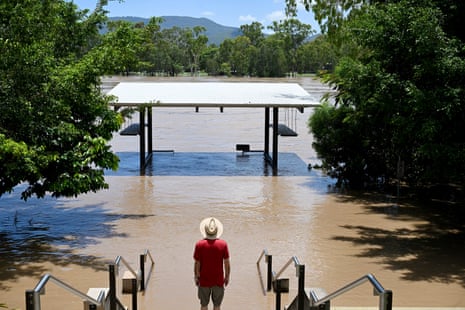
The Bureau of Meteorology's summary highlights the dramatic weather patterns that defined the season. South Australia, in particular, saw some of the most extreme swings, with the state experiencing both the hottest and wettest conditions during the summer months.
These findings underscore the ongoing challenge of climate change and the need for robust adaptation strategies to mitigate the impacts of such unpredictable and volatile weather events. As the planet continues to warm, it is crucial that policymakers, scientists, and communities work together to build resilience and prepare for the increasing frequency and intensity of extreme weather in the years to come.

The extreme weather patterns observed in Australia's latest summer highlight the urgent need for comprehensive climate action and disaster preparedness measures. By understanding the root causes of these events and developing targeted strategies, the country can work to protect its communities, infrastructure, and natural resources from the devastating effects of a changing climate.
As the world continues to grapple with the impacts of climate change, the lessons learned from Australia's record-breaking summer can serve as a valuable case study for other regions facing similar challenges. By sharing knowledge, resources, and best practices, the global community can work together to build a more resilient and sustainable future in the face of increasingly unpredictable and extreme weather patterns.
Source: The Guardian


