
Australia Eyes Historic First: Eliminating Cervical Cancer

Australia reaches milestone with zero cervical cancer cases in women under 25. Explore how vaccination and screening programs are transforming cancer prevention.
In a groundbreaking health milestone, Australia has achieved zero new cervical cancer diagnoses in women under 25 years old, marking a historic turning point in the nation's fight against one of the world's most preventable cancers. This remarkable achievement represents decades of sustained public health efforts, innovative screening strategies, and widespread vaccination campaigns that have fundamentally transformed how the country approaches cervical cancer prevention and elimination.
The absence of new cervical cancer cases in this younger demographic is not merely a statistical anomaly but rather the culmination of strategic public health initiatives that began decades ago. Cervical cancer elimination has long been recognized as an attainable goal by health experts, and Australia's latest data suggests the nation is now positioned to become the first country in the world to fully eliminate this disease. The achievement underscores the profound impact that coordinated vaccination and screening programs can have when implemented with sustained commitment and adequate resources.
Australia's pathway to this historic milestone began with the introduction of the Human Papillomavirus (HPV) vaccine in 2007, which was incorporated into the country's National Immunisation Program. This proactive decision was based on extensive scientific evidence showing that the HPV vaccine could prevent the vast majority of cervical cancers by protecting against the viral strains most responsible for the disease. Since its introduction, the vaccination program has achieved exceptionally high uptake rates, with more than 78 percent of young women completing the full vaccine series.

The cervical cancer prevention strategy extends far beyond vaccination alone. Comprehensive screening programs have been refined over the years to identify precancerous lesions and abnormalities before they progress to invasive cancer. Australia's cervical screening program has evolved significantly, incorporating new technologies and evidence-based methodologies that improve detection accuracy while reducing unnecessary interventions. These programs have been complemented by improved treatment options for pre-cancerous conditions, ensuring that identified abnormalities can be addressed promptly and effectively.
Healthcare professionals and public health authorities across Australia have worked tirelessly to ensure that cervical cancer prevention reaches all segments of the population, including Indigenous Australians and women from diverse cultural backgrounds who have historically experienced higher disease burden. Targeted outreach programs, culturally sensitive health messaging, and removal of barriers to vaccination and screening access have been crucial to achieving equitable health outcomes. These efforts demonstrate that cancer prevention requires addressing social determinants and ensuring that vulnerable populations have equal access to protective interventions.
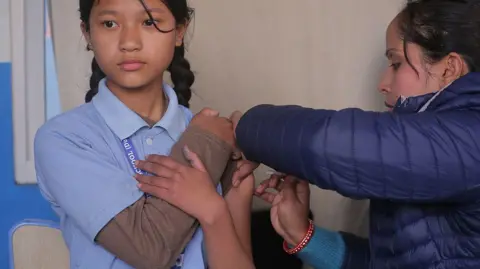
The younger age group showing zero cervical cancer diagnoses represents women who would have been vaccinated as adolescents through Australia's school-based immunization program. This cohort provides compelling evidence that the HPV vaccine is remarkably effective at preventing the development of cervical cancer when administered before exposure to the virus. The absence of disease in this vaccinated generation serves as powerful real-world validation of decades of vaccine research and development.

International health organizations, including the World Health Organization, have established ambitious goals for cervical cancer elimination globally, setting targets that include reducing incidence rates by 90 percent and mortality by 45 percent by 2050. Australia's achievement provides a proof-of-concept model that demonstrates these goals are scientifically feasible when countries commit adequate resources and implement evidence-based strategies with consistency and cultural sensitivity. The nation's success has garnered international attention and serves as an inspiration for other developed and developing nations working toward similar objectives.
However, sustaining this achievement requires ongoing vigilance and commitment. Health experts emphasize that maintaining high vaccination coverage rates is essential, as any decline in immunization uptake could allow the virus to re-establish itself in the population. Additionally, continued investment in cervical screening programs for older women who were not vaccinated during their younger years remains critical, as these populations still face elevated cervical cancer risk. The importance of cervical screening does not diminish once vaccination programs are in place; rather, both strategies must work in concert to achieve and maintain elimination.
Australia's achievement also highlights the critical role that public health infrastructure and healthcare system coordination play in disease prevention. The nation's universal healthcare system has facilitated equitable access to both vaccination and screening services, ensuring that socioeconomic status does not determine who receives protection against cervical cancer. This systemic approach contrasts sharply with countries where healthcare access is fragmented or inequitable, creating challenges for achieving population-level prevention goals.
The economic implications of cervical cancer elimination are substantial and often underappreciated in public health discussions. While vaccination and screening programs require upfront investment, preventing cervical cancer eliminates the need for expensive cancer treatments, hospitalizations, and end-of-life care. Studies consistently demonstrate that investments in preventive health measures, including HPV vaccination and cervical screening, generate significant cost savings over time while improving quality of life and extending healthy life expectancy. Australia's experience provides valuable economic evidence that prevention-focused strategies deliver both health and financial benefits.
Future cervical cancer prevention may be further enhanced by emerging technologies and refined vaccination strategies. Researchers are investigating whether booster vaccination programs could further reduce any residual risk among vaccinated cohorts, and whether new vaccine formulations might protect against additional high-risk HPV strains. Additionally, advances in screening technologies, including liquid-based cytology and HPV-based testing algorithms, continue to improve detection sensitivity and specificity. These innovations build upon Australia's foundation of success.
Looking forward, Australia faces the exciting challenge of maintaining cervical cancer elimination while serving as a global model for cancer prevention. The achievement of zero diagnoses in women under 25 is not an endpoint but rather a milestone in an ongoing commitment to protecting population health. Continued funding for vaccination programs, training of healthcare providers, and research into optimal screening protocols will be essential to sustaining this remarkable progress and potentially becoming the first nation to definitively eliminate cervical cancer entirely.
The implications of Australia's achievement extend beyond cervical cancer prevention alone. The nation's integrated approach to cancer prevention—combining vaccination, screening, treatment, and population-level coordination—offers valuable lessons for addressing other preventable cancers and chronic diseases. As global health systems confront rising cancer incidence rates and the burden of non-communicable diseases, Australia's model of sustained investment in prevention demonstrates that ambitious health goals are achievable through evidence-based policy, public health commitment, and equitable access to proven interventions. The world will be watching to see whether Australia can maintain this trajectory and become the first nation to completely eliminate cervical cancer from its population.
Source: BBC News

