
Australian Activists Detained After Gaza Flotilla Interception

At least six Australian activists have been detained by Israeli navy after flotilla boats were intercepted in international waters during Gaza aid mission.
Families of Australian activists aboard vessels intercepted by Israeli naval forces during a humanitarian aid mission to Gaza are expressing grave concerns about their loved ones' safety and demanding government intervention. The situation has escalated after Israeli navy personnel boarded multiple boats in international waters, with at least six Australian citizens among those detained. Only two of the 14 Australians involved in the mission have maintained communication with their families, leaving relatives in a state of distress and uncertainty about what comes next.
The interception occurred during the Global Sumud Gaza flotilla operation, an ambitious international humanitarian initiative that launched from Italian ports on Monday. More than 50 vessels participated in this coordinated effort to breach the long-standing naval blockade imposed by Israel on the Gaza Strip. The flotilla's primary objective was to deliver approximately 500 tonnes of critical humanitarian aid and volunteer workers to the besieged territory, where civilian needs have reached critical levels amid ongoing conflict and humanitarian challenges.
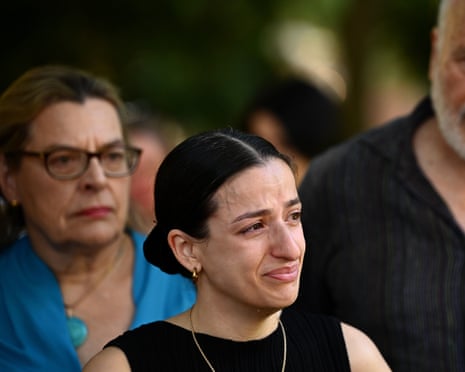
One Newcastle resident's family has issued an emotional public statement pleading for his return and expressing frustration with what they characterize as inadequate government response. The family's distress reflects broader concerns within Australian activist communities about the safety and rights of their members operating in contested international waters. Their plea underscores the tension between humanitarian missions and military enforcement of blockades, raising questions about international law and maritime jurisdiction.
The interception in international waters has sparked significant controversy, with human rights advocates questioning the legality of such actions outside territorial boundaries. Video evidence from CCTV footage circulated by flotilla organizers shows Israeli navy vessels approaching and boarding the humanitarian boats, raising concerns about the methods employed during the operation. The documented nature of the interception has become central to discussions about whether proper protocols were followed during the detention process and whether international maritime law was respected.
The Australian government's response to the detentions has drawn criticism from families and civil rights organizations who argue that diplomatic intervention remains minimal. With communication severely limited and uncertainty about detention conditions and legal status, Australian relatives and advocacy groups are calling for immediate and robust government action. The lack of regular updates from authorities has compounded fears about the wellbeing of the detained Australians and the likely duration of their captivity.
The Global Sumud flotilla represents one of the most significant international humanitarian initiatives aimed at directly challenging the Gaza naval blockade in recent years. Named after a Palestinian concept meaning steadfastness and perseverance, the mission attracted participants from multiple nations committed to delivering supplies and demonstrating solidarity with Palestinian civilians. The flotilla's scope, involving dozens of vessels and hundreds of activists, reflects growing international frustration with conditions in Gaza and the effectiveness of sustained blockade policies.

The detention of the Australian activists highlights the ongoing tension between humanitarian organizations attempting to provide aid to Gaza and Israeli security concerns regarding maritime access to the territory. Previous flotilla attempts, notably the 2010 Turkish-led operation, resulted in tragedy when Israeli forces clashed with activists, killing nine people. This historical context adds urgency to concerns about how the current detentions will be handled and what legal proceedings, if any, the detained Australians will face.
Communications challenges have left families in an information vacuum, unable to confirm basic details about their relatives' locations, treatment, and legal status. The restriction of contact between detainees and their families raises concerns about transparency and accountability in the detention process. Advocacy organizations specializing in prisoner rights have expressed concern about potential violations of international humanitarian law regarding access to legal representation and family contact.
The flotilla mission itself represented months of planning, fundraising, and coordination among diverse international groups committed to breaking the blockade. Participants included medical professionals, teachers, humanitarian workers, and activists from Europe, Australia, and other regions. The diversity of the mission reflected broad international consensus that the humanitarian situation in Gaza requires direct intervention and that peaceful aid delivery should be protected under international maritime law.
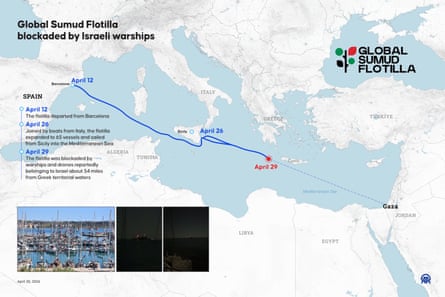
Legal experts have begun weighing in on the implications of the interception, with international law scholars noting that boarding vessels in international waters requires specific justifications under international maritime conventions. The Israeli government has characterized the action as necessary for security purposes, citing concerns about potential threats posed by the flotilla. However, humanitarian organizations argue that peaceful aid missions should be protected and that security concerns do not justify indiscriminate detention of all participants without proper legal processes.
For the Australian government, the situation presents a diplomatic challenge requiring careful navigation between supporting its citizens and maintaining broader Middle East policy objectives. Officials have reportedly been in contact with Israeli counterparts, though details of these negotiations remain confidential. The case has drawn media attention both in Australia and internationally, with news coverage potentially influencing government responsiveness and public pressure for swift resolution.
The broader implications of the flotilla interception extend beyond the immediate detention of activists. The incident reinforces questions about the sustainability and legality of the Gaza blockade, the rights of international humanitarian missions, and the mechanisms available for peaceful protests against such policies. As international pressure mounts for the release of the detained Australians, the case may ultimately influence how such missions are conducted in the future and what protections international law affords to humanitarian workers operating in contested waters.
Source: The Guardian


