
Australian Hiker Search Called Off in Nova Scotia

Authorities suspend six-day search for missing Australian hiker Denise Williams in Canadian national park after finding no new leads.
In a disappointing turn of events for those hoping to locate a missing Australian hiker in eastern Canada, officials have made the difficult decision to suspend an extensive search operation that spanned six grueling days across a rugged national park landscape. The Royal Canadian Mounted Police (RCMP) announced this week that they would be scaling back their rescue efforts in Nova Scotia, bringing to an end one of the most comprehensive search-and-rescue operations mounted in the region in recent memory.
The decision to call off the search came after exhaustive efforts involving multiple search teams and advanced resources failed to yield any substantive leads regarding the whereabouts of Denise Ann Williams, the Australian woman who vanished while exploring the demanding terrain of a Nova Scotia national park. According to RCMP officials, the suspension of operations was justified by the lack of "new information" that emerged despite the mobilization of considerable personnel and equipment over the six-day period.
The search operation represented a massive coordinated effort by Canadian authorities, drawing on diverse resources and expertise to cover the challenging landscape where Williams went missing. Search teams deployed trained rescue dogs capable of tracking scents across difficult terrain, while ground crews systematically combed through forests, ravines, and other areas where a missing person might be found. The operation also included aerial reconnaissance, with aircraft conducting sweeping searches from above to identify any signs of Williams or indicators of her location.
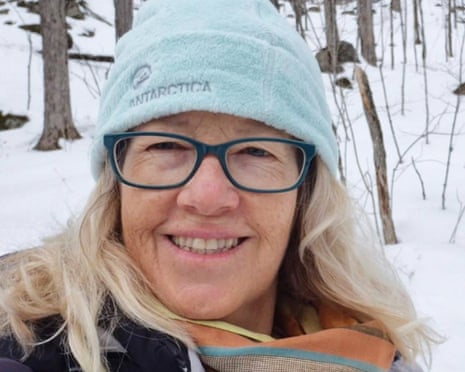
Over 100 personnel participated in the coordinated rescue effort, demonstrating the scale of the operation and the serious nature of Williams' disappearance. These individuals included trained search-and-rescue professionals, RCMP officers, volunteers from local communities, and specialists in wilderness rescue operations. The logistical coordination required to manage such a large-scale operation across rugged terrain underscores both the commitment of Canadian authorities and the challenging conditions they faced.
The background to Williams' disappearance highlights the inherent risks associated with hiking in remote, unspoiled wilderness areas, particularly for visitors unfamiliar with the specific dangers and terrain characteristics of a given location. Nova Scotia's national parks, while spectacular and attractive to outdoor enthusiasts from around the world, present significant navigational and survival challenges, especially for those venturing into less-developed areas or straying from established trails. Weather conditions, steep topography, dense vegetation, and the potential for disorientation create a complex environment where even experienced hikers face substantial risks.
The suspension of the search raises important questions about the protocols governing search-and-rescue operations in Canada and the factors that lead authorities to determine that continued efforts are unlikely to produce results. Search-and-rescue coordinators must balance the commitment to finding missing persons against practical considerations such as resource allocation, the likelihood of success based on available information, and the safety of search personnel themselves. The RCMP's decision suggests that after six days of intensive searching with no new developments, officials concluded that the immediate search would not yield the breakthrough that had been hoped for.
The disappearance of international visitors in remote locations presents unique challenges for search-and-rescue services, as authorities must work with limited initial information about the missing person's capabilities, experience level, and knowledge of the area. Williams' status as an Australian visitor to Canada may have meant that initial information about her hiking experience, familiarity with North American wilderness conditions, and whether she was following established trails or exploring off the beaten path would have been important factors in directing the search efforts. Communications with family members, fellow travelers, or anyone who last saw Williams would have been crucial in establishing probable search areas.
The decision to suspend operations does not necessarily mean that the case is closed or that authorities have abandoned hope of locating Williams. In many instances, missing person cases remain technically open, and the RCMP may resume search efforts if new information emerges that could help pinpoint Williams' location or provide investigators with promising leads to pursue. Public awareness campaigns, including circulation of information about Williams through media channels and community networks, can sometimes lead to sightings or discoveries months or even years after an initial incident.
For the Australian community and Williams' family members, the suspension of the search operation represents a profound moment of uncertainty and challenge. The hope that intensive rescue efforts would lead to a safe recovery or, at minimum, a resolution to the mystery of her disappearance has given way to a difficult limbo where the path forward remains unclear. International missing person cases often attract attention from multiple authorities and organizations, and the RCMP's actions would have been made in consultation with relevant agencies and with consideration of best practices in search-and-rescue operations.
The challenges faced by search teams in the rugged Nova Scotia national park terrain would have been substantial, encompassing not only the physical demands of traversing difficult landscape but also the technical challenges of organizing and coordinating multiple teams across a large geographic area. Adverse weather conditions common to the region, including fog, rain, and unpredictable temperature fluctuations, would have further complicated search efforts and potentially obscured signs or tracks that might otherwise have proven helpful in locating the missing hiker.
The suspension of the intensive search phase represents a transition point in the investigation and response to Williams' disappearance, moving from active, large-scale rescue operations toward a different approach that may involve ongoing investigative work, public engagement, and readiness to mobilize resources should new information emerge. This transition reflects the realities of search-and-rescue operations, where the intensity of initial efforts necessarily gives way to different strategies as time passes and as the absence of immediate results becomes evident.
For hikers and tourists planning visits to remote areas in Canada and beyond, the situation involving Williams serves as a sobering reminder of the importance of preparation, communication, and adherence to safety protocols. Experienced outdoor enthusiasts recommend that visitors register their hiking plans with trusted contacts, carry appropriate navigation equipment and communication devices, dress appropriately for expected weather conditions, and possess adequate knowledge of wilderness survival techniques before venturing into unfamiliar territory. The risks associated with wilderness exploration are very real, and proper precautions can mean the difference between a successful outing and a tragic situation.
Source: The Guardian


