
Australian Women, Children Leave Syria Camp

Four Australian women and nine children depart al-Roj camp in Syria, heading toward Damascus in bid to return home. Government maintains it's not assisting the group.
In a significant development regarding Australian detainees in Syria, four women and nine children have departed al-Roj camp in the northeastern region of the country, embarking on what could be a journey toward repatriation. The group's departure marks a new chapter in the ongoing saga of Australians held in Syrian detention facilities, with the travelers reportedly making their way across Syrian territory by road toward the capital city of Damascus.
This latest repatriation effort comes approximately seven months after a previous attempt in February, when a similar cohort was prevented from leaving the camp and forced to return. The circumstances surrounding that earlier failed attempt shed light on the complex geopolitical and administrative challenges facing families seeking to exit the sprawling al-Roj compound, one of the largest camps holding foreign nationals in Syria.
The Albanese government has officially stated that it is not providing assistance to this particular group, a position that underscores the contentious nature of these repatriations. This stance reflects the Australian government's broader approach to managing cases involving citizens detained in Syrian camps, where diplomatic complexities and security concerns have historically limited direct intervention.
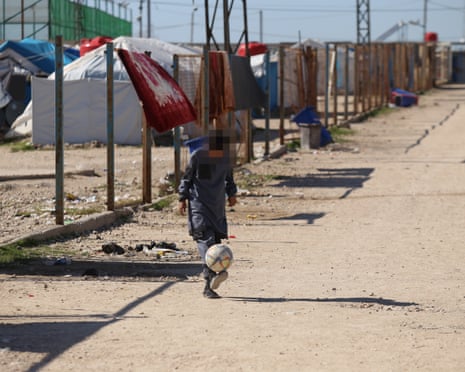
The al-Roj camp, situated in Syria's remote northeastern region, has been home to thousands of foreign nationals, including Australian women and children who were detained following the collapse of the Islamic State territorial caliphate. The camp represents one of the most significant humanitarian challenges in the region, with overcrowded conditions and limited access to basic services affecting the detained population.
The four women departing the camp are reportedly accompanied by nine children and grandchildren, creating a mixed-generation group with varying citizenship statuses and family circumstances. Many of the children in the camp were born to foreign fighter parents, creating complex legal and humanitarian questions regarding their nationality and future prospects.
Previous reports have indicated that attempts to secure Syrian repatriation from these camps have been fraught with bureaucratic obstacles and security concerns. The February incident, in which travelers were turned back at the camp's exit, highlighted the unpredictable nature of such departures and the limited control that camp authorities or individual families can exercise over movement across Syrian territory.
The journey to Damascus involves traversing challenging terrain and passing through multiple government-controlled checkpoints, representing a significant logistical undertaking for the traveling party. Damascus, as the capital and seat of the Syrian government, serves as the logical hub for any potential international travel arrangements or diplomatic negotiations regarding repatriation.
Australia's position on repatriating citizens from Syrian camps has evolved considerably over recent years, with successive governments balancing humanitarian concerns against security assessments and diplomatic constraints. The Albanese government's explicit statement that it is not assisting this particular cohort suggests a continued adherence to a policy of limited direct involvement in individual repatriation cases.
This approach contrasts with actions taken by some other Western nations, which have facilitated or conducted organized repatriation operations for their detained nationals. Canada, France, Germany, and several other countries have undertaken varying degrees of government-sponsored or government-facilitated returns, reflecting different national security assessments and diplomatic strategies.
The humanitarian situation facing detainees in al-Roj and similar camps remains concerning, with international organizations documenting inadequate healthcare, limited educational opportunities for children, and psychological trauma affecting the detained population. Medical professionals and humanitarian workers have repeatedly raised alarms about conditions within the camps and the urgent need for solutions to address the thousands of individuals held there.
For the Australian families involved, the journey toward Damascus represents a moment of uncertainty mixed with hope. Success in reaching the capital could open pathways toward eventual repatriation, though numerous complications could still emerge regarding documentation, diplomatic arrangements, and the willingness of authorities at various levels to facilitate exit from Syria.
The broader context of this departure includes ongoing international discussions about the fate of foreign nationals detained in Syrian camps, with varying approaches among countries regarding responsibility, accountability, and humanitarian obligations. These discussions have involved not only Western nations but also regional actors and international organizations including the United Nations.
The Albanese government's handling of Syrian detainee cases has been subject to political scrutiny and advocacy from humanitarian organizations. Various civil society groups have called for increased government assistance in facilitating returns, citing the welfare of Australian children and the humanitarian imperative to resolve the situation.
This latest development demonstrates that despite government non-involvement, individual journeys of repatriation continue to unfold through various mechanisms and initiatives. The group's departure underscores the persistent desire among families to exit the camps and resume lives beyond Syria's borders, regardless of official government assistance or support.
As the group travels toward Damascus, their journey will likely face additional scrutiny from international observers, human rights organizations, and media outlets tracking the situation. The eventual outcome of this repatriation attempt may provide insights into the broader patterns and possibilities for other Australian families seeking similar pathways out of Syrian detention facilities.
Source: The Guardian


