
Australians Reject US-Israel War on Iran in New Poll

A new Guardian Essential poll finds only 25% of Australians approve of the US-Israel war on Iran, while most want closer ties with 'middle powers' like Canada and Japan.
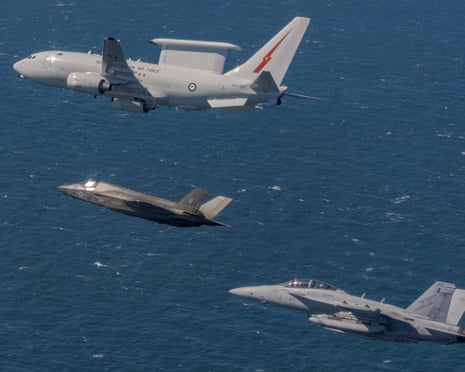
A new Guardian Essential poll has revealed that only a quarter of Australians approve of the US-Israel war on Iran. The poll also found that just a third of Australians have backed the federal government's actions in sending a military plane and troops to the region.
The findings suggest that Australians are keener for the government to forge closer ties with so-called "middle powers" such as Canada and Japan, with about a third wanting to distance from the US. This sentiment reflects a growing disillusionment with Australia's traditional alliance with the United States, as the country seeks to forge its own independent foreign policy path.
The poll results come at a time of heightened tensions in the Middle East, with the US and Israel escalating their military presence and rhetoric against Iran. However, it appears that the Australian public is largely skeptical of this approach, preferring a more balanced and diplomatic foreign policy that prioritizes relationships with other influential nations.
This shift in public opinion could have significant implications for the federal government's future foreign policy decisions, as they navigate the complex geopolitical landscape and seek to balance Australia's national interests with the expectations of its citizens.
The poll results highlight the need for the government to engage more closely with the Australian public on foreign policy issues and to consider the broader strategic implications of its actions. As the world becomes increasingly interconnected, it is clear that Australians are seeking a more nuanced and independent approach to international relations, one that prioritizes cooperation and diplomacy over military intervention.
The Guardian Essential poll serves as an important barometer of public sentiment, providing valuable insights for policymakers and political leaders as they navigate the complex challenges of the 21st century.
Source: The Guardian


