
Austria Expels 3 Russian Diplomats in Major Spy Row

Austria expels three Russian diplomats accused of espionage using sophisticated surveillance equipment. Foreign minister reveals antenna network on diplomatic buildings.
Austria has taken decisive diplomatic action by expelling three Russian diplomats in a significant escalation of tensions between Vienna and Moscow. The expulsions come following serious allegations of espionage activities conducted on Austrian soil, marking one of the most substantial diplomatic confrontations between the two nations in recent years. Austrian Foreign Minister Kaja Kallas has publicly outlined the nature of the alleged spying operations, painting a picture of a sophisticated and extensive surveillance network.
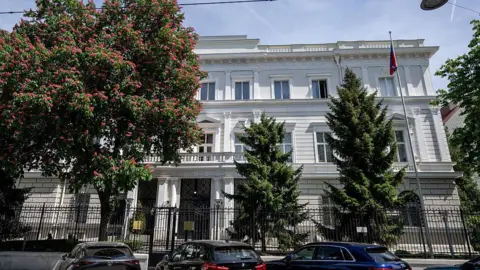
According to the foreign minister's account, the Russian diplomats engaged in comprehensive intelligence gathering through the use of advanced technical equipment strategically positioned across the country. The most notable element of this alleged spy operation involved what officials have described as a "forest of antennas" that was installed atop various diplomatic buildings throughout Austria. These sophisticated antenna arrays reportedly enabled the collection of sensitive communications and data, representing a coordinated and technically advanced espionage campaign that breached Austrian sovereignty.
The discovery of this extensive surveillance infrastructure came as part of ongoing investigations into Russian intelligence operations in Central Europe. Austrian security services detected the unusual antenna installations and initiated a comprehensive review of diplomatic personnel activities. The findings prompted government officials to take immediate action, resulting in the formal expulsion of the three diplomats involved in coordinating and maintaining the surveillance network.
This incident reflects broader geopolitical tensions that have intensified since Russia's invasion of Ukraine in 2022. Austria, though not a NATO member, has increasingly aligned itself with Western positions on Russian aggression and sanctions. The country has maintained diplomatic relations with Russia while implementing European Union sanctions and supporting Ukraine's sovereignty, creating a delicate balance in Austrian foreign policy that has now shifted with these expulsions.
The diplomatic crisis underscores the persistent nature of Russian intelligence gathering in European nations, despite heightened security awareness across the continent. Intelligence agencies across Europe have reported numerous incidents of Russian spying operations, ranging from cyber attacks to traditional human intelligence networks. Austria's discovery of the antenna network demonstrates that despite increased vigilance, Russian services continue to maintain sophisticated capabilities for gathering information on foreign governments and institutions.
Austrian authorities emphasized that the surveillance operation posed a direct threat to national security interests. The technical sophistication of the equipment and the deliberate placement on diplomatic premises suggested this was not a rogue operation but rather a coordinated effort sanctioned at higher levels within Russian security structures. Officials have indicated that the scope of the investigation extends beyond these three diplomats, with ongoing assessments of other Russian personnel and potential additional compromised locations still being evaluated.

The expulsion of diplomats represents a traditional response to intelligence activities deemed unacceptable under international law. However, the public revelation of the specific method employed—the antenna network—represents an unusually transparent disclosure of espionage techniques. This openness suggests that Austrian authorities wanted to clearly demonstrate to their population and international partners the nature and scale of the threat that had been operating within their borders.
Russia has yet to officially respond to Austria's accusations with a detailed rebuttal, though diplomatic tensions are expected to escalate in the coming weeks. Historically, when confronted with espionage allegations, Russian officials have either denied the charges outright or characterized the actions as routine intelligence gathering that is standard practice among all nations. The Kremlin maintains that Russian diplomatic missions operate within the bounds of international law and that accusations of espionage are often exaggerated or politically motivated.
The incident raises significant questions about the effectiveness of Austria's counterintelligence capabilities and whether similar operations may be ongoing in other European nations without detection. Security experts have noted that the sophistication of the antenna array suggests this represents only the visible portion of a potentially larger intelligence apparatus. Other countries in Central and Eastern Europe are likely conducting similar reviews of their diplomatic properties and personnel following Austria's revelation.
International observers have pointed out that this expulsion decision carries symbolic weight beyond the immediate diplomatic fallout. Austria's willingness to take such action demonstrates a hardening of European attitudes toward Russian intelligence activities in the post-Ukraine invasion era. The country's previous policy of maintaining neutral relations while balancing EU membership obligations has shifted toward a more assertive posture regarding national security interests and European solidarity.
The intelligence gathering techniques described in the foreign minister's statement represent a blend of traditional signals intelligence and modern electronic surveillance methods. Radio frequency monitoring equipment, if strategically placed on tall buildings or diplomatic structures, can intercept various forms of electronic communication including phone calls, data transmissions, and wireless networks. The deliberate placement on diplomatic buildings suggests the operation was specifically designed to collect sensitive government and international communications.
This incident contributes to a broader pattern of escalating espionage allegations across Europe involving Russian diplomatic personnel. In recent years, numerous European nations have reported similar discoveries and taken corresponding expulsion measures. The coordinated nature of these incidents suggests Russian intelligence services maintain systematic programs for gathering information across the continent, despite international agreements governing diplomatic conduct and immunity.
Austria's response demonstrates the country's commitment to protecting its national security interests while maintaining the broader EU framework for addressing Russian aggression. The expulsions send a clear message that even neutral countries will not tolerate hostile intelligence activities on their territory. Moving forward, Austria is likely to increase security measures at government facilities and implement stricter oversight of foreign diplomatic personnel operating within the nation.
The revelations about the antenna network have also prompted discussions about transparency in diplomatic security matters and the balance between maintaining diplomatic relations and protecting national interests. Austria's decision to publicize the specific methods employed represents a calculated choice to emphasize the severity of the breach and the sophisticated nature of Russian intelligence operations. This approach contrasts with the historical tendency toward quiet diplomacy and confidential handling of espionage allegations.
As Austria navigates the diplomatic fallout from these expulsions, the incident serves as a reminder of the persistent security challenges facing European nations in the contemporary geopolitical environment. The discovery of the antenna array and the subsequent removal of diplomats represents both a security victory and a stark illustration of the ongoing intelligence competition between Russia and Western nations. The coming weeks will reveal whether additional discoveries emerge or whether Russia makes countervailing diplomatic moves in response to Austria's actions.
Source: BBC News


