
Austrian Man Faces Terror Charges Over Taylor Swift Concert Plot

A 21-year-old Austrian defendant stands trial after prosecutors allege he received IS explosives training to attack a Taylor Swift concert in Vienna.
An Austrian man identified as Beran A., age 21, has appeared in court to face serious terrorism-related charges stemming from an alleged plot to carry out a violent attack at a Taylor Swift concert venue. According to prosecutors, the defendant received specialized explosives training from operatives connected to the extremist Islamic State militant organization, raising alarm among security officials and concert organizers across Europe.
The trial marks a significant moment in Austria's ongoing efforts to combat terrorist threats and radicalization among homegrown extremists. Authorities began investigating the case following intelligence reports that suggested the suspect had been in contact with members of the jihadist group and had expressed intentions to commit violence. The severity of the allegations has drawn considerable attention from law enforcement agencies throughout the European Union and beyond.
Court documents indicate that the defendant allegedly sought to acquire knowledge about handling and potentially deploying explosive devices specifically for use in a terrorist attack. Prosecutors have presented evidence suggesting that members of Islamic State provided guidance and instruction to the accused through digital channels and encrypted communications. This type of remote radicalization and training has become increasingly common among terror networks seeking to inspire attacks in Western nations.

The investigation into the alleged plot began after Austrian intelligence services intercepted communications between the defendant and known Islamic State affiliates. Security officials became particularly concerned when they discovered that the communications contained specific references to concert venues and large public gatherings. The timing of the alleged threat coincided with the planning stages of the highly publicized Eras Tour, which was scheduled to take place in Vienna, one of Europe's major cultural centers.
Austrian authorities moved swiftly to apprehend the suspect before any potential attack could occur. The preventive arrest was coordinated with other European intelligence agencies that have been working to identify and neutralize terrorism threats targeting major public events. Concert venues and large gatherings have become increasingly targeted by extremist organizations seeking to maximize casualties and create fear among Western populations.
The case represents a broader pattern of extremist recruitment that has challenged security agencies across Europe in recent years. Young individuals, often vulnerable to radicalization through online platforms, have been targeted by ISIS operatives who use sophisticated propaganda and messaging to inspire lone-wolf attacks. The incident underscores the evolving nature of modern terrorism threats that utilize digital communication networks to coordinate activities across international borders.

Prosecutors are presenting evidence during the trial to demonstrate the defendant's level of commitment to the alleged conspiracy. This includes communications records, financial transactions, and testimonies from intelligence officials who monitored the suspect's activities. The prosecution has emphasized the sophistication of the extremist network's approach to recruitment and training, highlighting how Islamic State operatives targeted vulnerable individuals across Europe.
The trial has heightened concerns among Austrian officials and concert industry professionals about security protocols at major public events. Event organizers have implemented additional screening measures and enhanced security procedures to protect attendees at large-scale productions. The incident serves as a stark reminder of the persistent threat posed by international terror networks to public safety in Europe.
Security experts have noted that the accessibility of explosive training materials and instructions through online sources has made it increasingly difficult for authorities to detect and prevent attacks before they occur. Law enforcement agencies have been working to improve their monitoring of encrypted communications and dark web forums where extremists share knowledge and coordinate activities. The case highlights the need for continued international cooperation in combating transnational terrorism networks.
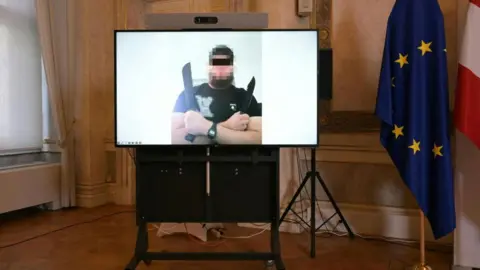
The defendant's legal team has been permitted to present their own evidence and challenge the prosecution's allegations throughout the trial proceedings. Defense attorneys have questioned the reliability of certain intelligence sources and have sought to establish whether their client actually possessed the capability or intent to carry out such an attack. The trial will ultimately determine whether the evidence presented meets the threshold required to secure a conviction on terrorism charges.
This case occurs within the context of heightened security awareness across Europe regarding music festivals, concert tours, and major public gatherings. Event security companies have reported increased demand for advanced threat detection technologies and specialized personnel trained in counter-terrorism tactics. The Eras Tour and similar high-profile events have become focal points for security innovation as organizers seek to balance public safety with providing attendees with enjoyable experiences.
Austrian authorities have emphasized their commitment to prosecuting terrorism offenses with the full force of the law while maintaining respect for due process. The outcome of this trial may influence how European nations approach cases involving homegrown extremists and jihadist radicalization. Legal experts are watching closely as precedent-setting decisions may emerge regarding the prosecution of individuals accused of receiving remote terrorism training.
The broader implications of this case extend beyond Austria, affecting how concert promoters and event security professionals approach their responsibilities across Europe. The trial demonstrates that large-scale entertainment events have become targets of international extremist networks despite significant security investments. Moving forward, the coordination between intelligence agencies, law enforcement, and event organizers will remain crucial in preventing potential terrorist attacks against civilian populations.
Source: BBC News


