
Avanti West Coast Cuts 1-in-7 Trains on Key Routes

Avanti West Coast reduces summer timetable by cutting one in seven trains on busiest intercity routes between London, Birmingham, Liverpool and Manchester.
Avanti West Coast, one of the UK's major train operators, has announced significant changes to its summer service schedule, with plans to eliminate approximately one in seven trains across its most heavily trafficked intercity corridors. The decision comes as part of broader efforts to align operational costs with government spending directives, marking a notable shift in the company's service delivery model during the peak travel season.
The rail service reduction will primarily impact three of Britain's most critical transport arteries: the London Euston to Birmingham route, the crucial Liverpool connection, and the essential Manchester services. These routes represent some of the busiest and most economically significant intercity pathways in the entire UK rail network, serving millions of commuters and leisure travelers annually. The cuts represent a strategic response to direct government requests aimed at reducing overall railway operating expenditures across the sector.
Despite the substantial reduction in train frequency, Avanti West Coast has insisted that passenger demand will continue to be adequately served throughout the summer months. The operator maintains that the revised timetable adjustments have been carefully calculated to maintain service quality while achieving the necessary cost savings. This assertion, however, raises important questions about how passenger capacity and comfort levels will be maintained during peak travel periods.
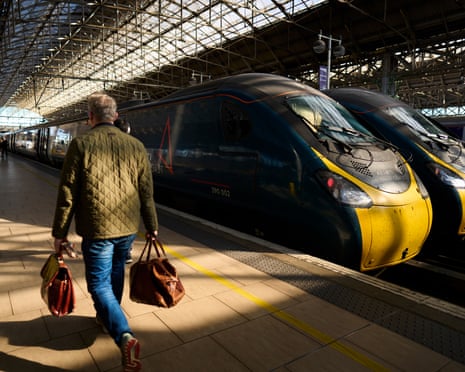
The timing of these cuts is particularly significant, as summer represents the busiest travel period for UK rail services. Families planning holidays, business travelers, and tourists typically rely heavily on intercity rail connections during the warmer months. The reduction of approximately 14 percent of services across these premium routes could create capacity challenges during peak hours, potentially leading to increased crowding on remaining services and longer wait times for passengers seeking to book tickets.
Government spending restraints have been a defining feature of recent UK transport policy, with rail operators facing increasing pressure to demonstrate financial responsibility and operational efficiency. Avanti West Coast's decision reflects the broader industry trend of consolidating services during traditionally high-demand periods. The operator has framed these changes as a necessary compromise between maintaining financial sustainability and continuing to provide meaningful service to the traveling public across these critical corridors.
The intercity rail sector has faced mounting challenges in recent years, including fluctuating passenger demand patterns, rising operational costs, and the aftermath of pandemic-related disruptions to travel habits. Train operators have increasingly turned to timetable optimization as a strategy to balance financial pressures with service obligations. Avanti West Coast's approach represents a calculated decision to prioritize cost management while supposedly maintaining service adequacy, though this balance remains contentious among passenger advocates.
The specific routes affected by these service cuts represent the economic backbone of the UK rail network. The London Euston to Birmingham corridor facilitates daily movement of tens of thousands of passengers, connecting the capital with the heart of the Midlands industrial region. The Manchester and Liverpool services are equally vital, serving as essential links between London and major northern economic centers. The reduction of one in seven trains across these routes will inevitably create cascading effects throughout the network during peak demand periods.
Stakeholders including passenger advocacy groups, local authorities, and business representatives have expressed concerns about the adequacy of rail services following these cuts. Questions have been raised about whether the operator can truly maintain service standards while reducing capacity by such a significant margin. The delicate balance between financial sustainability and public service provision remains at the heart of ongoing debates within the rail industry regarding train frequency optimization.
The summer timetable revision is expected to take effect in the coming weeks, giving passengers and businesses limited time to adjust their travel plans and expectations. Avanti West Coast has indicated that it will maintain communication with its customer base regarding the specific changes and their potential impact on individual journeys. The operator has also suggested that further adjustments may be necessary as demand patterns become clearer during the summer season itself.
This development comes as part of broader industry trends affecting UK rail operators across the country. Numerous train companies face similar cost pressures and government spending mandates, suggesting that further service adjustments may be forthcoming across multiple routes and regions. The cumulative effect of such cuts across the entire network could have significant implications for transportation patterns and economic activity in the regions served by these critical routes.
Looking ahead, the success or failure of Avanti West Coast's approach will likely serve as a benchmark for other operators considering similar measures. If the revised timetable successfully maintains passenger satisfaction and financial viability, other operators may pursue comparable strategies. Conversely, if the cuts result in service failures, congestion, and customer dissatisfaction, this could prompt reconsideration of the feasibility of achieving cost savings through service reductions alone, potentially forcing operators and policymakers to explore alternative cost management approaches.
Source: The Guardian


