
Badenoch Apologises Over Bloody Sunday Footage

Conservative leader Kemi Badenoch apologises after Bloody Sunday massacre footage was used in social media posts criticising Northern Ireland legacy bill.
Kemi Badenoch, the leader of the Conservative Party, has issued a formal apology following the controversial use of Bloody Sunday footage in social media posts that were designed to defend UK veterans and criticise Labour's proposed legacy legislation regarding the Troubles in Northern Ireland. The incident has raised significant questions about the oversight of political messaging on social platforms and the sensitivity required when handling historical atrocities in campaign communications.
The Bloody Sunday massacre, which occurred on January 30, 1972, in Derry, resulted in the deaths of 14 unarmed civil rights demonstrators when British soldiers opened fire during a march protesting internment without trial. This tragic event remains one of the most contentious moments in modern British and Irish history, and its use in contemporary political debates continues to provoke strong emotional responses from affected communities on both sides of the Irish border.
Badenoch clarified on Saturday that she had not personally authorized or signed off on the distribution of the Bloody Sunday clip. She attributed responsibility for the posts to "very young people" within the party's digital and social media teams, suggesting a breakdown in the approval processes for sensitive campaign materials. This explanation raised questions about the level of oversight maintained by senior party leadership over their social media communications strategy.
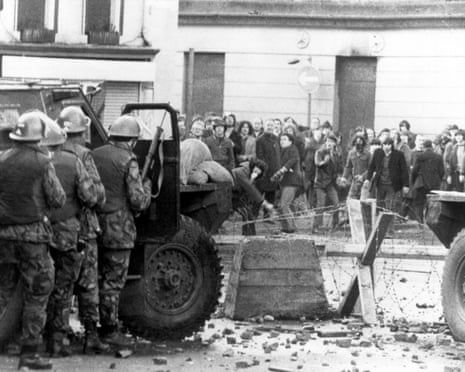
The controversial posts were part of a broader Conservative campaign effort attacking Labour's proposals for addressing Northern Ireland legacy issues and the Troubles. Labour had put forward a bill designed to establish new mechanisms for dealing with historical grievances and creating pathways for justice and reconciliation regarding killings and violence during the three-decade conflict. The Conservative Party sought to frame these proposals as unfair to British military personnel who served in Northern Ireland during the conflict.
The use of the Bloody Sunday footage in this political context sparked immediate backlash from Irish politicians, victims' families, and civil rights advocates who argued that exploiting such a sensitive historical tragedy for partisan political advantage was deeply inappropriate and disrespectful to those who died and their bereaved relatives. The incident highlighted the tension between defending military service and acknowledging historical wrongs committed during conflict situations.
The Troubles legacy legislation that prompted the Conservative Party's response has been a contentious issue in British and Irish politics for years. The bill aims to provide a mechanism for investigating outstanding historical cases and creating opportunities for families to learn the truth about killings during the conflict. However, military veterans' representatives have expressed concerns that the legislation could expose soldiers and former security personnel to prosecution for actions taken during the conflict, viewing it as retrospective justice against those who were following orders during active military operations.
Badenoch's apology represents an attempt to distance the Conservative leadership from the social media posts and to mitigate the political damage caused by the controversy. However, the incident raised broader questions about how political parties manage their digital communications teams, particularly regarding the handling of historically sensitive content. The involvement of junior staff members in creating and distributing the posts underscores potential gaps in hierarchical approval processes within modern political organizations.
The controversy comes as the debate over how to address the legacies of the Troubles becomes increasingly polarized across the United Kingdom and Ireland. Victims' advocacy groups have long argued that truth and accountability are essential to moving forward, while military representatives contend that retrospective investigations and potential prosecutions undermine the recognition of difficult decisions made during armed conflict. This fundamental disagreement reflects broader societal tensions about historical accountability and transitional justice.
The incident also highlights the risks associated with using historical atrocities in contemporary political messaging without appropriate sensitivity and oversight. Social media campaign management in political organizations has become increasingly complex, with multiple team members having the ability to create and distribute content rapidly. The Badenoch apology demonstrates that even senior party leadership cannot always prevent inappropriate or insensitive messaging from reaching the public through their official channels.
Looking forward, the Conservative Party will likely implement more stringent oversight procedures for handling sensitive historical content in their social media communications. This incident serves as a case study in political communications risk management, demonstrating the potential consequences when processes for reviewing culturally and historically significant material are inadequate. The apology, while necessary, cannot fully undo the damage caused to community relations and the perception of the party's sensitivity to historical trauma.
The broader implications of this controversy extend to how all political parties approach the use of historical footage and references in their campaigns. As digital media becomes increasingly central to political messaging, the responsibility to handle such content with appropriate respect and awareness becomes increasingly important. The Bloody Sunday apology from Badenoch serves as a reminder that the past continues to shape contemporary politics, and that respect for those affected by historical traumas must inform present-day political discourse.
Source: The Guardian


