
BAE Systems Faces £120m Lawsuit Over Aid Aircraft Support Cuts

BAE Systems sued for £120m after ending support for aid delivery aircraft. Kenya-based EnComm Aviation claims decision devastated humanitarian operations in crisis regions.
Britain's largest defense contractor, BAE Systems, is now confronting a substantial legal challenge worth £120 million following its controversial decision to terminate technical support for aircraft that have been instrumental in delivering humanitarian aid to some of the world's most vulnerable populations. The lawsuit, initiated by EnComm Aviation, a Kenya-based humanitarian cargo operator, represents a significant escalation in tensions between the defense giant and the international aid community over the consequences of the support withdrawal.
EnComm Aviation has filed the legal action claiming that BAE Systems' decision to withdraw support for the aircraft has created a catastrophic chain of events that forced the cancellation of critical humanitarian contracts and substantially reduced the flow of essential supplies to multiple crisis-affected nations. The organization contends that the action has directly impeded aid delivery operations to some of the world's most desperate regions, including South Sudan, which is currently facing severe famine conditions, as well as Somalia and the Democratic Republic of the Congo (DRC), among numerous other nations struggling with humanitarian emergencies.
The dispute centers on BAE Systems' decision to cease providing essential technical support and maintenance services for specialized aircraft that have become lifelines for humanitarian organizations operating in some of the most challenging and dangerous environments on the planet. These aircraft have served as critical infrastructure for non-governmental organizations and United Nations agencies attempting to deliver food, medical supplies, and other vital resources to populations displaced by conflict, disease, and economic collapse.
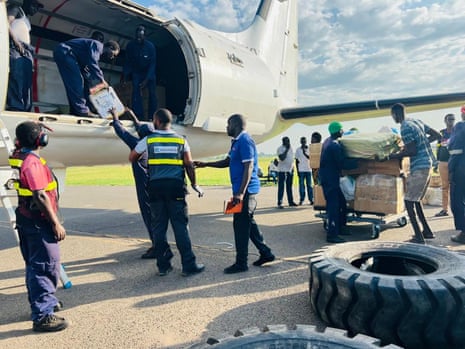
South Sudan, in particular, has become emblematic of the humanitarian crisis that aid operations are struggling to address. The nation is currently experiencing what international observers have characterized as acute food insecurity, with conflict and displacement intensifying the plight of millions of civilians who depend entirely on external assistance for survival. The withdrawal of support for these critical aircraft has come at precisely the moment when humanitarian organizations describe the situation as increasingly dire and the need for effective aid delivery mechanisms as more urgent than ever.
EnComm Aviation's lawsuit represents the first major legal challenge to the defense contractor's decision and marks an important moment in the broader debate about corporate responsibility and the role of defense manufacturers in supporting humanitarian operations. The aviation company argues that BAE Systems had an obligation to continue providing support for these civilian aircraft given the critical humanitarian role they play in regions where alternative supply methods are either unavailable or prohibitively dangerous.
The claims lodged by EnComm Aviation are substantial and detailed, encompassing not only the direct costs of lost contracts but also the broader humanitarian impact that the organization contends has resulted from the support withdrawal. The lawsuit alleges that BAE Systems' decision has forced the cancellation of multiple humanitarian contracts that were generating revenue for EnComm Aviation while simultaneously serving desperate populations in some of Africa's most challenging operating environments.
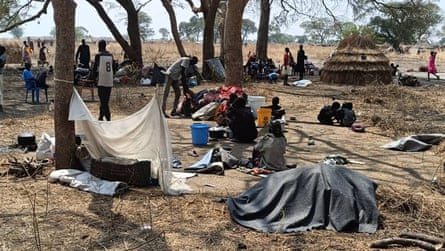
The timing of the dispute is particularly significant given the escalating humanitarian crises across the African continent and the increasing dependence of aid organizations on aviation assets to reach populations in areas where conventional transport infrastructure has been destroyed or rendered inaccessible by ongoing conflict. Military analysts and humanitarian experts have noted that the withdrawal of technical support for these aircraft removes a crucial element of the international response infrastructure that has been developed over decades to address mass displacement and famine situations.
BAE Systems, which generates billions of pounds in annual revenue through its defense contracts and security operations, has stated that its decision to withdraw support was made on the grounds of commercial and operational considerations. The company has not provided detailed public explanations for the withdrawal, but industry observers have speculated that the decision may have reflected broader strategic shifts within the defense sector or changing assessments of commercial viability in the humanitarian aviation market.
The lawsuit filed by EnComm Aviation is expected to proceed through the British legal system and may ultimately require the courts to examine the extent to which defense contractors have responsibilities to consider the humanitarian implications of their commercial decisions. Legal experts have suggested that the case could set important precedents regarding corporate accountability and the obligations of major defense manufacturers when their products and services are integrated into critical humanitarian supply chains.
The broader context for this dispute includes growing scrutiny of the role played by defense contractors in global supply chains and humanitarian operations. Over the past two decades, private sector actors have become increasingly integrated into international aid delivery systems, raising complex questions about accountability, reliability, and the potential conflicts of interest that may arise when commercial entities become critical components of humanitarian infrastructure.
For EnComm Aviation, the lawsuit represents an existential challenge to its business model and operational capabilities. The organization has built its operations around these specific aircraft and the support systems that BAE Systems provided, making the withdrawal of that support economically devastating and operationally disruptive. The £120 million figure in the lawsuit reflects both the direct financial losses sustained by the organization and the broader economic damage to humanitarian operations that have depended on EnComm Aviation's services.
The case also highlights the vulnerabilities in international humanitarian logistics networks that have developed over recent decades. Many organizations working in crisis zones have come to depend on specialized aviation assets and the technical support networks that enable their operations, creating fragile supply chains that can be disrupted by decisions made by relatively small numbers of commercial actors with significant technical expertise and market power.
As the lawsuit progresses, it will likely draw attention to broader questions about the role of major defense contractors in supporting humanitarian operations and the extent to which such organizations should factor humanitarian considerations into their commercial decision-making processes. The outcome may influence how other defense and aerospace companies approach similar situations in the future, potentially reshaping the landscape of corporate involvement in international aid operations.
Source: The Guardian


