
Baldur's Gate TV Series Announced Without Game Devs

Craig Mazin, co-creator of HBO's The Last of Us, will develop a Baldur's Gate television series without involvement from the original game developers.
The beloved fantasy RPG franchise Baldur's Gate is set to make the leap from gaming screens to television, with acclaimed showrunner Craig Mazin leading the adaptation. Mazin, who co-created the critically acclaimed HBO series The Last of Us alongside Neil Druckmann, has been tapped to develop this ambitious project. However, the announcement has sparked considerable discussion within the gaming community due to one notable absence: the original game developers will not be involved in the television adaptation.
This development marks another significant milestone in the ongoing trend of video game adaptations transitioning to mainstream television and film. Mazin's track record with The Last of Us has proven that video game properties can be successfully translated to other media formats when handled with care and respect for the source material. The HBO series garnered widespread critical acclaim and audience praise, setting a new standard for how game adaptations should be approached in Hollywood.
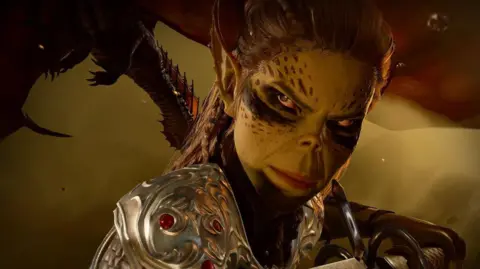
The Baldur's Gate franchise has a rich history spanning over two decades, beginning with the original 1998 release from BioWare. The series is renowned for its deep storytelling, complex character development, and intricate world-building set within the Dungeons & Dragons universe. The recent release of Baldur's Gate 3 by Larian Studios has reinvigorated interest in the franchise, earning numerous Game of the Year awards and introducing the property to a new generation of players.
The decision to proceed without the involvement of the original game developers raises important questions about creative control and authenticity in game-to-TV adaptations. While Larian Studios created the most recent installment, the franchise's roots trace back to BioWare's original vision. The absence of direct developer input could potentially lead to creative decisions that diverge from the established tone and narrative elements that fans have come to expect from the Baldur's Gate universe.
Mazin's approach to adapting video game properties has demonstrated a keen understanding of what makes interactive entertainment compelling for passive viewing audiences. His work on The Last of Us showcased an ability to capture the emotional core of a game's narrative while making necessary adjustments for television pacing and structure. This expertise will be crucial in translating the complex, choice-driven narratives that define the Baldur's Gate experience into a linear television format.
The Dungeons & Dragons setting that serves as the backdrop for Baldur's Gate offers rich material for television adaptation. The Sword Coast region, where the games are primarily set, features diverse locations, political intrigue, and a vast array of fantastical creatures and characters. Recent success of fantasy television series like Game of Thrones, The Witcher, and House of the Dragon has proven that audiences have a strong appetite for high-quality fantasy content with mature themes and complex storylines.
Industry analysts suggest that the exclusion of original developers from the adaptation process may be driven by various factors, including creative control preferences, budget considerations, or scheduling conflicts. However, this approach contrasts with other successful adaptations where game creators maintained significant involvement in the television or film production process. The challenge will be maintaining the authentic feel of the Baldur's Gate universe while creating content that appeals to both existing fans and newcomers to the franchise.
The timing of this announcement coincides with a broader expansion of the Dungeons & Dragons brand across multiple media platforms. Wizards of the Coast has been actively pursuing opportunities to leverage their intellectual properties beyond traditional tabletop gaming, recognizing the growing mainstream appeal of fantasy entertainment. This multimedia expansion strategy reflects the company's commitment to reaching diverse audiences through various entertainment channels.

Fans of the franchise have expressed mixed reactions to the news, with excitement about seeing their favorite characters and locations brought to life on screen tempered by concerns about faithfulness to the source material. The Baldur's Gate community is particularly passionate about the series' emphasis on player choice and consequence, elements that may prove challenging to translate into a predetermined television narrative structure.
The success of recent fantasy television productions suggests that there is significant potential for a well-executed Baldur's Gate series. The property offers compelling central characters, including iconic figures like Minsc and Boo, Jaheira, and various other beloved companions from throughout the series. Additionally, the rich lore surrounding the city of Baldur's Gate itself provides numerous storylines and conflicts that could sustain multiple seasons of television content.
Production details remain limited at this early stage, with no announced casting decisions, filming locations, or premiere dates. The development process for such ambitious fantasy productions typically requires extensive pre-production work, including world-building, costume design, and special effects planning. Given Mazin's demonstrated commitment to production quality, fans can expect a significant investment in bringing the visual and atmospheric elements of the Baldur's Gate universe to life.
The broader implications of this adaptation extend beyond entertainment value, potentially influencing how future video game properties are developed for television and film. Success could validate the approach of prioritizing experienced television creators over original game developers, while failure might reinforce arguments for maintaining closer ties to source material creators throughout the adaptation process.
As the project moves forward into development, the gaming and entertainment industries will be watching closely to see how Mazin balances respect for the source material with the creative freedom necessary to craft compelling television. The challenge lies in capturing the essence of what makes Baldur's Gate special while creating content that can stand on its own merits as quality television entertainment, regardless of viewers' familiarity with the original games.
Source: BBC News


