
Bangladesh Brothel Children Get Birth Certificates

For the first time, 400 children born in Bangladesh's Daulatdia brothel village receive official birth certificates, granting them access to education and basic rights.
In a groundbreaking development that marks a significant shift in human rights recognition, approximately 400 children born in Bangladesh's Daulatdia brothel have received their first-ever birth certificates, ending decades of legal invisibility. This historic milestone represents the culmination of extensive advocacy efforts by human rights campaigners who have dedicated their careers to addressing the plight of undocumented children across Bangladesh.
The Daulatdia brothel village, one of the largest red-light districts in Bangladesh, has operated for generations as a place where children born to sex workers remained systematically excluded from official recognition. These children, numbering in the hundreds, lived without any legal identity due to the stigmatized nature of their mothers' work and the absence of identifiable fathers. Their lack of documentation condemned them to a cycle of marginalization that prevented access to fundamental human rights.
The achievement of obtaining birth certificates for brothel children represents more than just paperwork—it signifies a transformative moment that grants these young individuals access to basic citizenship rights that most people take for granted. With official documentation in hand, these children can now pursue formal education, apply for passports, and eventually participate in democratic processes through voting when they reach the appropriate age.
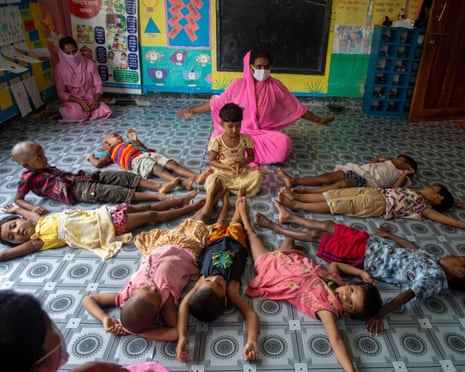
Human rights advocates who spearheaded this initiative describe the impact as profound and life-changing. The provision of legal identity documents creates opportunities that were previously unimaginable for these children, offering them hope for breaking free from the cycles of poverty and marginalization that have historically defined their community. Campaign organizers emphasize that state recognition gives children hope and opens doors to a future filled with possibilities rather than predetermined limitations.
The challenges faced by undocumented children extend far beyond the brothel communities, affecting thousands of youngsters born on Bangladesh's streets or in other marginalized circumstances. These children often become trapped in informal economies, vulnerable to exploitation and abuse, with no legal recourse or protection. The successful documentation of children in Daulatdia serves as a powerful precedent that could influence similar initiatives across the country.
Campaigners involved in this decades-long effort have worked tirelessly to navigate complex bureaucratic processes and social stigmas that have historically prevented these children from accessing their fundamental rights. Their persistence has involved extensive collaboration with government officials, legal experts, and community leaders to develop frameworks that acknowledge the unique circumstances of these children while ensuring they receive equal treatment under the law.
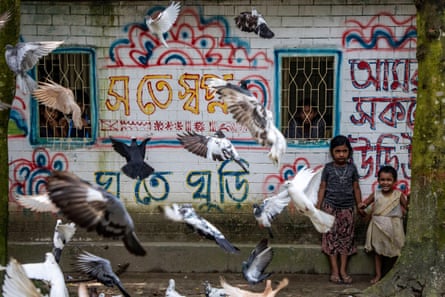
The significance of this breakthrough extends beyond individual benefits to encompass broader implications for human rights in Bangladesh. By recognizing these previously invisible children, the government demonstrates a commitment to inclusive citizenship that transcends social circumstances of birth. This development aligns with international human rights standards that emphasize every child's right to legal identity regardless of their parents' circumstances or social status.
Education advocates highlight that access to formal schooling represents one of the most transformative aspects of this documentation process. Previously, these children were barred from enrolling in government schools or accessing educational support programs due to their lack of official identity. Now, with proper documentation, they can pursue academic opportunities that may lead to professional careers and economic independence, breaking generational cycles of poverty and marginalization.
The undocumented children of Bangladesh represent a broader global phenomenon where millions of children worldwide lack birth registration and legal identity. According to international organizations, birth registration serves as a fundamental prerequisite for accessing essential services and protection under the law. The success in Daulatdia demonstrates that creative solutions and persistent advocacy can overcome seemingly insurmountable bureaucratic and social barriers.

Community leaders within the brothel village express cautious optimism about the long-term implications of this development. While acknowledging that documentation alone cannot immediately eliminate all forms of discrimination or social stigma, they recognize it as a crucial first step toward full integration into mainstream society. The hope is that as these children access education and develop professional skills, they will be able to choose their own life paths rather than being confined to the circumstances of their birth.
The methodology employed to achieve this documentation breakthrough involved extensive collaboration between local advocacy groups, international human rights organizations, and government agencies. Legal experts worked to develop innovative approaches to birth registration that accommodated the unique circumstances of brothel-born children while maintaining the integrity of official documentation systems. This collaborative approach serves as a model for addressing similar challenges in other marginalized communities.
Looking toward the future, advocates emphasize that obtaining birth certificates represents just the beginning of a longer journey toward full social integration and acceptance. Ongoing support systems will be necessary to ensure these children can effectively utilize their newly acquired rights and access the opportunities now available to them. Educational support, counseling services, and community integration programs will play crucial roles in helping these children transition from invisibility to full participation in society.
The ripple effects of this achievement are expected to influence policy discussions regarding birth registration and child rights across Bangladesh and potentially throughout South Asia. Government officials involved in the process indicate that lessons learned from the Daulatdia initiative could inform broader reforms to birth registration systems, making them more inclusive and accessible to marginalized populations nationwide.
Source: The Guardian


