
BBC Director General Faces Strike On Day One

New BBC chief Matt Brittin warns of tough budget cuts as journalists strike over workload increases on his first day leading the corporation.
Matt Brittin, the newly appointed director general of the British Broadcasting Corporation, commenced his groundbreaking tenure with an immediate challenge as BBC staff strike action unfolded at the corporation's headquarters. The former Google executive inherited a corporation grappling with significant financial pressures, having made clear from his inaugural address that difficult decisions regarding resource allocation would be inevitable during his leadership period.
Brittin's appointment marked a significant shift in BBC leadership, bringing extensive experience from his previous role as Google's senior executive in Europe to one of the world's most prestigious broadcasting organizations. His transition to the helm of the BBC represented a notable departure from traditional broadcast journalism backgrounds, reflecting the corporation's desire to bring fresh perspectives and technological expertise to its leadership structure. The timing of his arrival, however, coincided with mounting tensions among the workforce over proposed operational changes.
On his first day at New Broadcasting House, journalists from some of the BBC's most respected programs took to the picket lines to voice their concerns. The World Service's Newshour and Radio 4's The World Tonight became focal points of the industrial action, with staff protesting against plans that would significantly alter their working conditions. These flagship programs represent the BBC's commitment to quality journalism and international news coverage, making their involvement in strike action particularly symbolic of broader organizational tensions.
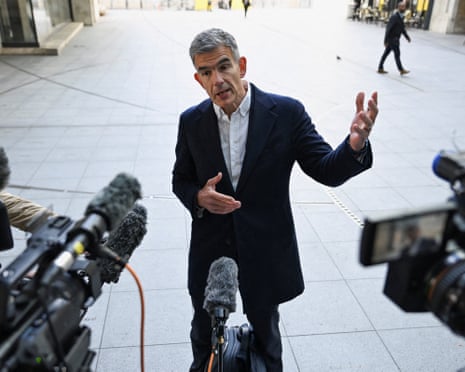
The core grievance centered on proposed changes to BBC workload management that would require journalists to produce more content with existing staff levels. This represented a fundamental challenge to the corporation's ability to maintain editorial standards while adapting to modern media consumption patterns. The BBC budget cuts initiative, which Brittin inherited from previous leadership, necessitated operational efficiencies that many employees viewed as compromising quality journalism.
Brittin's first official communication to staff acknowledged the challenging landscape facing the public broadcaster. His statement about unavoidable tough choices reflected the reality of the BBC's financial situation, where funding pressures from multiple directions required difficult decisions about resource allocation. The new director general signaled his commitment to finding sustainable solutions, though his external background suggested he might approach these challenges differently from his predecessors who emerged from within broadcast journalism ranks.
The World Service, which reached millions of people globally, faced particular scrutiny within the cost-cutting framework. As the BBC's international broadcasting arm, the World Service provided news and current affairs programming in numerous languages, serving audiences in regions where independent journalism faced significant pressure. Any reduction in resources threatened to impact the corporation's global reach and influence during a period when international news coverage remained critically important.
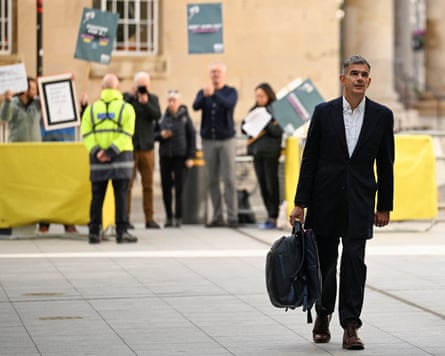
Radio 4's status as a flagship domestic news and current affairs channel further emphasized the significance of the strike action. The World Tonight represented one of the broadcaster's cornerstone evening news programs, offering in-depth analysis and reporting on major stories. Proposals affecting these established programs touched on fundamental questions about the BBC's future direction and whether cost savings could be achieved without compromising editorial quality and audience service.
The backdrop to Brittin's appointment involved broader questions about the BBC's future in an increasingly fragmented media landscape. Public broadcasting faced challenges from streaming services, social media platforms, and alternative news sources that competed for audience attention and advertising revenue. The corporation's traditional funding model through the television licence fee faced ongoing political scrutiny, creating pressure to demonstrate value and efficiency in operations.
Staff concerns about workload increases reflected anxieties across the entire media industry regarding employment conditions and journalism sustainability. As traditional media organizations adapted to digital transformation, many journalists found themselves expected to produce content for multiple platforms while maintaining reporting standards. The BBC, as a major employer in British journalism, effectively set standards that influenced practices across the sector.
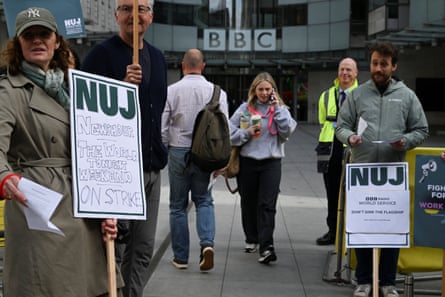
Brittin's background at Google brought expertise in technology, digital platforms, and organizational transformation at scale. These qualifications addressed some of the BBC's most pressing strategic challenges, particularly the need to engage younger audiences through digital channels and adapt content distribution models. However, his external background also raised questions about whether an executive without journalism experience could effectively navigate the complex editorial and public service dimensions of BBC operations.
The BBC journalism strike action represented a symbolic moment in the corporation's history, marking a formal challenge from employees to proposed management decisions. Industrial action in broadcasting carried particular significance given the medium's role in public discourse and democratic function. The strike's visibility underscored the tensions between financial sustainability and editorial quality that would likely dominate Brittin's tenure.
Looking forward, the new director general faced the dual challenge of implementing necessary financial discipline while maintaining staff morale and preserving the BBC's reputation as a quality news organization. Success would require balancing tough financial realities with recognition of the specialized skills and experience embedded within the corporation's journalism workforce. The early confrontation with striking staff suggested that the path forward would involve substantive negotiations about working conditions, resource allocation, and the BBC's strategic priorities.
The situation developing at the BBC reflected broader challenges facing public service media organizations globally. As advertising-supported media models weakened and audience expectations evolved, institutions like the BBC grappled with fundamental questions about sustainable funding, operational efficiency, and content quality. Brittin's mandate to identify significant budget savings would require creative thinking about how the corporation could maintain its public service obligations while adapting to modern media economics.
Source: The Guardian

