
BBC Fights for Independence: Demands Permanent Charter, Ends Political Appointments

The BBC proposes major reforms to protect its independence, including eliminating political appointments to its board and securing a permanent royal charter.
In a bold move to safeguard its independence, the BBC is calling for sweeping changes that would reshape its governance and secure its long-term future. At the heart of the proposal is an end to political appointments to the corporation's board, a practice that has long been seen as a threat to its impartiality and freedom from government influence.
Alongside this, the BBC is demanding that its royal charter be put on a permanent footing, eliminating the need to renegotiate its existence with ministers every 10 years. This would provide the organization with the stability and security it needs to continue its vital role as a trusted public broadcaster, free from the constant threat of political interference.
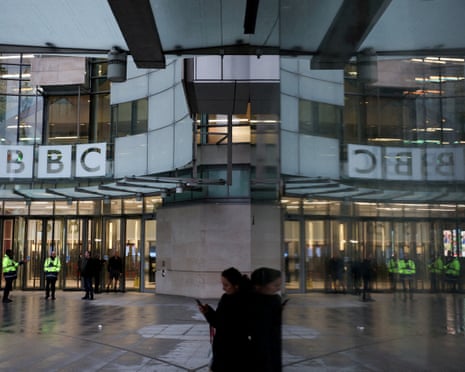
The move comes as the BBC faces increasing pressure from both the government and a rapidly evolving media landscape. Political appointments to the board have long been a point of contention, with critics arguing that they undermine the corporation's editorial independence and allow for undue influence from those in power.
By seeking a permanent charter, the BBC is aiming to remove the uncertainty and vulnerability that comes with the current 10-year renewal process. This would safeguard the organization's future and ensure that it can continue to fulfill its mission of providing high-quality, impartial news and programming to the British public.
The proposed changes are seen as a crucial step in protecting the BBC's role as a cornerstone of British media and democracy. In a climate of increasing political polarization and the spread of misinformation, the need for a strong, independent public broadcaster has never been more important.
By taking these bold steps, the BBC is positioning itself to weather the challenges of the modern media landscape and continue to serve as a trusted and essential voice for generations to come. The outcome of this proposal will be closely watched by both supporters and critics of the corporation, as it could have far-reaching implications for the future of British media and the public's access to reliable information.


