
BBC Investigation Uncovers Dog Scam in Uganda

BBC investigation reveals how scammers used distressed dog images to defraud donors. Dozens of dogs rescued and suspect arrested following the exposé.
A significant BBC investigation has brought attention to a widespread animal welfare scam operating in Uganda, where perpetrators exploited the compassion of international donors through deceptive social media practices. The investigation uncovered a sophisticated operation in which fraudsters posted emotionally manipulative content featuring dogs in apparent distress to solicit donations from well-meaning individuals around the world. This coordinated effort targeted vulnerable animal lovers who believed their contributions would directly support rescue and rehabilitation efforts for suffering canines.
The scam operated by leveraging the power of social media platforms, where images and videos of dogs in poor conditions were shared widely to generate sympathy and financial support from global audiences. Scammers utilized various accounts and identities to maximize their reach and credibility, often claiming affiliation with legitimate animal rescue organizations. The fraudulent operation collected thousands of dollars from donors who had no way of verifying how their money was actually being used or whether it ever reached any legitimate animal welfare cause.
Following the BBC's comprehensive investigation, authorities in Uganda took decisive action to dismantle the criminal operation. Law enforcement officers worked in conjunction with international partners to identify the individuals behind the scheme and locate the animals featured in the fraudulent content. The operation resulted in the arrest of a primary suspect who was believed to be orchestrating much of the scamming activity, marking a significant victory in combating online fraud targeting animal welfare causes.
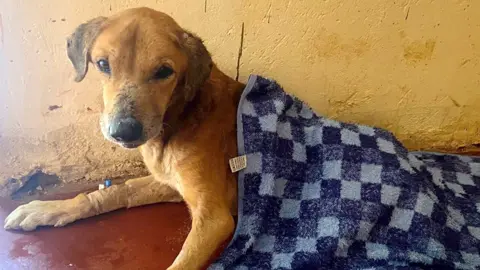
The rescue operation itself became a focal point of the investigation's impact, as authorities managed to rescue dozens of dogs that had been used in the scam. These animals, many of whom were in genuine distress and poor health conditions, were recovered and transferred to legitimate animal care facilities. The rescued dogs received much-needed medical attention, proper nutrition, and care from qualified veterinarians who worked to rehabilitate the traumatized animals and prepare them for adoption or long-term care.
This operation highlights the broader challenge of online fraud schemes that exploit legitimate charitable causes to line the pockets of criminals. Animal welfare organizations have long been targets for scammers because they attract passionate donors who are willing to contribute without rigorous verification processes. The BBC's investigation demonstrated the critical importance of media organizations in uncovering these deceptive practices and holding bad actors accountable for their actions.
The investigation process itself involved extensive journalistic work, including tracking donation flows, identifying the sources of the deceptive content, and documenting the conditions of the animals involved. BBC reporters collaborated with local authorities in Uganda to piece together the complete picture of how the scam operated and who was responsible for its execution. This type of investigative journalism serves as a crucial check on fraudulent activities that prey on charitable impulses.

The implications of this dog rescue operation extend beyond Uganda's borders, as the scam had successfully deceived international donors from multiple countries. The arrest and investigation have prompted discussions about the need for stronger verification systems for online fundraising campaigns, particularly those centered on animal welfare. Donors worldwide are now more aware of the risks associated with unverified charity campaigns, especially those that solicit funds through emotionally charged imagery on social media.
Legitimate animal welfare organizations have welcomed the investigation's results, noting that scams like this undermine public trust in genuine rescue efforts. When donors become victims of fraud, they may become hesitant to support legitimate causes in the future. The BBC's work in exposing this particular scheme helps restore confidence in verified and transparent animal welfare organizations that maintain proper documentation and accountability measures for their fundraising activities.
The suspect arrested in connection with the scam now faces charges related to fraud and animal welfare violations. Prosecutors are building their case based on evidence gathered during the investigation, including digital records, financial transaction data, and witness testimony. The legal proceedings will likely serve as a deterrent to others considering similar schemes, while also providing justice for the donors who were defrauded and the animals that suffered as a result.
Moving forward, the incident has sparked important conversations about strengthening protections for both charitable donors and animals in vulnerable situations. Several organizations are now advocating for clearer guidelines on social media platforms regarding fundraising content, including verification requirements and stricter oversight of accounts soliciting donations. These measures could help prevent similar animal welfare scams from flourishing in the future and protect both donors and animals from exploitation.
The successful recovery of the dogs and identification of those responsible demonstrates the power of investigative journalism combined with responsive law enforcement action. The BBC's commitment to uncovering truth and holding wrongdoers accountable resulted in tangible outcomes: animals receiving care they desperately needed and a criminal operation being dismantled. This case serves as an important reminder of the vigilance required to combat sophisticated online fraud schemes that exploit humanitarian and animal welfare causes.
For donors concerned about whether their charitable contributions are making a real impact, the investigation underscores the importance of due diligence before giving to any cause. Verifying an organization's legitimacy through official registries, checking financial transparency reports, and seeking recommendations from established charitable rating agencies can help prevent becoming victims of similar scams. The BBC investigation in Uganda has ultimately contributed to a safer, more accountable charitable giving ecosystem.
Source: BBC News


