
BBC Uncovers Fake Anti-Immigration AI Videos from Overseas

Investigation reveals coordinated disinformation campaign using AI-generated content. Fake 'patriotic' UK accounts traced to Sri Lanka and Vietnam spreading immigration misinformation.
A comprehensive investigation by the BBC has uncovered a sophisticated disinformation operation targeting the United Kingdom through fake anti-immigration accounts and AI-generated video content. The probe reveals that what appeared to be grassroots "patriotic" social media accounts spreading concerns about immigration were actually orchestrated from overseas locations, primarily operating from Sri Lanka and Vietnam. This discovery exposes the growing vulnerability of democratic discourse to coordinated foreign manipulation campaigns designed to inflame social tensions and polarize public opinion.
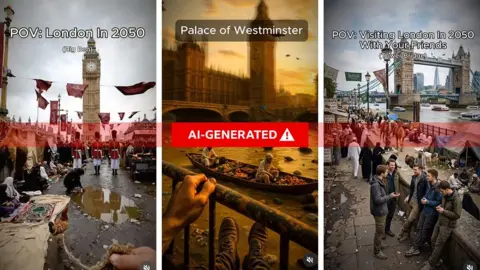
The investigation demonstrates how bad actors are leveraging artificial intelligence technology to create convincing but entirely fabricated video content that fuels anti-immigration sentiment across British social media platforms. These AI-generated videos were crafted to appear as authentic footage of immigration-related incidents, often depicting exaggerated or completely fictional scenarios designed to provoke emotional reactions from viewers. The perpetrators behind these accounts deliberately adopted nationalist messaging and patriotic framing to establish false legitimacy and build followings among users genuinely concerned about immigration policy.
Researchers tracing the origin of these accounts discovered a well-organized network spanning multiple continents, with operational centers established in Sri Lanka and Vietnam. The coordination between these overseas locations suggests a deliberate strategy to distribute disinformation across various time zones and geographic regions, maximizing the potential reach and engagement of their misleading content. This geographic distribution also makes the operation significantly harder for platform moderators to detect and counter, as the accounts maintain different operational schedules and linguistic styles to avoid pattern recognition.
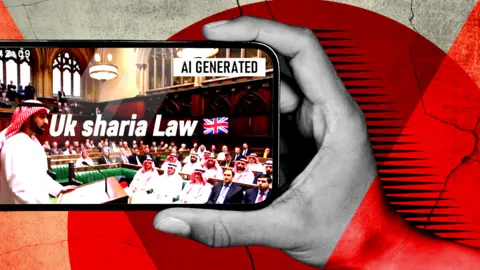
The discovery raises serious concerns about the information security landscape in the digital age, particularly regarding how social media platforms can be weaponized to spread disinformation at scale. The BBC's findings indicate that the operators possessed sophisticated technical capabilities, including access to advanced AI video generation tools and knowledge of social media algorithms. They strategically targeted emotionally charged immigration narratives knowing these topics generate high engagement rates and algorithmic promotion on major platforms.
UK authorities have expressed alarm at the extent and sophistication of the operation, which appears to be part of a broader campaign to undermine public trust in institutions and exacerbate existing social divisions. Disinformation campaigns of this nature exploit legitimate policy debates around immigration by introducing fabricated evidence and fictional scenarios that distort the conversation. The timing and coordination of posts, along with the consistent messaging across multiple accounts, indicates this was not organic grassroots activism but rather a carefully orchestrated influence operation.
The accounts used by the perpetrators employed classic disinformation tactics, including impersonation of British citizens, use of national symbols and patriotic imagery, and deliberate amplification of divisive content through automated engagement tactics. These false personas created elaborate backstories, complete with profile pictures and biographical details, to maximize their credibility among potential followers. The operators invested significant effort into appearing authentic, even engaging in conversations and responding to comments to build community trust over extended periods.
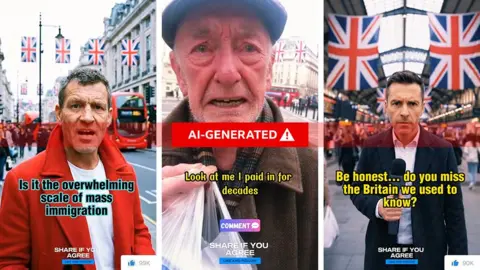
The use of AI video generation technology represents a concerning evolution in disinformation tactics, as these tools have become increasingly sophisticated and accessible. Deep fake and synthetic media technologies can now create convincing video content that appears to show real events or statements that never actually occurred. For viewers encountering these videos on social media feeds without context or verification, distinguishing fabricated content from legitimate reporting becomes increasingly difficult, particularly when the videos align with pre-existing beliefs or concerns.
Experts specializing in information warfare note that this operation exemplifies how state or non-state actors can conduct influence campaigns against Western democracies with relatively low cost and significant potential impact. The geographic separation between content creators and target audiences provides plausible deniability while the focus on immigration—a genuinely contentious policy area—ensures the content resonates with real grievances and concerns. By injecting false information into existing debates, the operators amplify polarization without necessarily creating entirely fabricated narratives from scratch.
The BBC investigation employed advanced digital forensics techniques to trace the accounts back to their physical operational bases. Researchers examined metadata associated with account creation, posting patterns, IP address information, and payment records to establish the connection to Sri Lanka and Vietnam. The evidence included technical indicators such as specific server locations used for account management and financial transactions connected to individuals operating in these overseas locations.
Social media platforms have faced increasing criticism for their inadequate response to coordinated disinformation campaigns, despite possessing sophisticated detection capabilities. Facebook, Twitter, Instagram, and YouTube have all discovered similar operations in the past, yet the frequency and sophistication of new campaigns continues to escalate. Critics argue that platforms prioritize engagement and growth over authentic discourse, inadvertently creating an environment where disinformation thrives due to algorithmic amplification of sensational content.
The findings underscore the importance of media literacy and critical evaluation of online content, particularly on social media platforms where verification standards are minimal compared to traditional journalism. Viewers should seek corroborating sources when encountering compelling videos or claims about immigration or other contentious topics. Checking account history, looking for inconsistencies in persona details, and cross-referencing claims with credible news sources represent essential practices for identifying manipulated or fabricated content.
Policymakers and technology experts are increasingly calling for stronger requirements around platform accountability and content moderation standards to combat organized disinformation operations. Some proposals include mandatory verification of account authenticity, enhanced detection systems for AI-generated content, and more transparency regarding how algorithms amplify content across networks. The challenge remains significant, however, as sophisticated operators continuously develop new techniques to evade detection while platforms struggle to balance content moderation with free expression principles.

The implications of this investigation extend beyond the immediate concern about immigration discourse in the UK. The operation demonstrates that overseas actors possess both the capability and motivation to interfere in democratic processes through strategic disinformation campaigns. International cooperation between intelligence agencies, law enforcement, and technology companies will likely play an increasingly vital role in identifying and disrupting such operations before they can achieve significant influence over public opinion and policy debates.
As the digital landscape continues to evolve and artificial intelligence capabilities advance, the threat of sophisticated disinformation operations represents an enduring challenge for democratic societies. The BBC's investigation serves as a crucial reminder of the need for sustained vigilance, ongoing technological innovation in detection and prevention, and sustained public education about the tactics employed by those seeking to manipulate information ecosystems for political advantage.
Source: BBC News


