
Beatles' Apple Corps Transforms Historic London HQ

Apple Corps reimagines 3 Savile Row as a seven-storey visitor attraction, opening in 2027. Explore the rooftop where The Beatles performed their final gig.
In a significant development for music history enthusiasts and Beatles fans worldwide, Apple Corps has announced ambitious plans to transform their iconic 3 Savile Row headquarters into a major tourist destination. The legendary building, nestled in the heart of Mayfair's prestigious tailoring district, represents far more than just another address in central London. It stands as a monument to one of the most transformative periods in popular music, housing the recording label that managed The Beatles' most prolific years.
The Apple Corps building holds immense cultural significance in the narrative of The Beatles' extraordinary career. Founded in 1968 as a multimedia company and record label, Apple Corps became the institutional heart of The Beatles' creative and business operations during their later years. The building's significance was cemented in January 1969 when The Beatles performed what would become their final public concert on the rooftop of 3 Savile Row. This impromptu performance, which was filmed for a documentary project, captured the band in their natural state, performing songs that would later appear on their final recorded album.
Paul McCartney has publicly expressed enthusiasm for the redevelopment plans, recognizing the transformative potential of the project. The iconic musician understands that preserving and presenting this location to the public creates an invaluable opportunity to connect generations of fans with a pivotal moment in music history. McCartney's endorsement carries particular weight, given his ongoing involvement with The Beatles' legacy and his perspective as someone who was directly present during these historic moments at the venue.

The reimagined venue will span seven storeys, creating an expansive space dedicated to celebrating The Beatles' legacy and the broader history of Apple Corps. This vertical expansion represents a thoughtful approach to maximizing the building's potential while respecting the historic architectural context of Savile Row, one of London's most distinguished commercial streets. The development will require careful coordination with heritage authorities and local planning bodies to ensure that the transformation honors both the building's musical significance and its place within the broader architectural fabric of the West End.
One of the most compelling features of the proposed attraction will be public access to the rooftop where The Beatles performed their final concert. This iconic space will be carefully preserved and presented, allowing visitors to stand where John Lennon, Paul McCartney, George Harrison, and Ringo Starr stood during their historic 1969 performance. The rooftop experience will undoubtedly become a centerpiece of the visitor attraction, offering an unparalleled connection to one of rock music's most memorable moments.
The seven-storey visitor attraction development is scheduled to open its doors to the public in 2027, providing visitors with a comprehensive exploration of Apple Corps' history and The Beatles' later creative period. This timeline allows for thorough research, careful curation, and meticulous restoration work to ensure that every element of the experience meets the highest standards. The extended planning horizon also permits engagement with archivists, historians, and Beatles scholars to create educational content that enriches visitors' understanding of this transformative era in popular music.
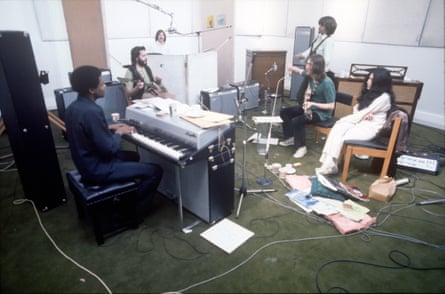
The Apple Corps acquisition of the building represents a significant milestone in Beatles heritage preservation. For decades, the building served various commercial purposes following The Beatles' dissolution in 1970, with its historical importance sometimes overshadowed by its contemporary commercial functions. The decision to reclaim and repurpose the space as a dedicated attraction demonstrates a commitment to preserving tangible connections to music history for future generations. This move acknowledges the enduring cultural relevance of The Beatles and their continued influence on contemporary music and popular culture.
The Savile Row location itself carries additional cultural weight beyond its association with The Beatles. The street has long been synonymous with bespoke tailoring and represents a quintessentially British tradition of craftsmanship. The juxtaposition of The Beatles' revolutionary popular culture with Savile Row's established heritage creates a fascinating intersection of tradition and innovation. This unique positioning makes 3 Savile Row an exceptionally rich site for cultural tourism, attracting visitors interested in both music history and British cultural heritage.
Broader implications of this development extend beyond simple tourism considerations. The transformation of 3 Savile Row serves as a case study in music heritage preservation and cultural tourism development. Museums and cultural institutions worldwide increasingly recognize the value of creating immersive experiences that connect visitors with historical moments and cultural figures. The Apple Corps project demonstrates how carefully planned attractions can generate significant economic benefits for local communities while advancing cultural education and preservation objectives.
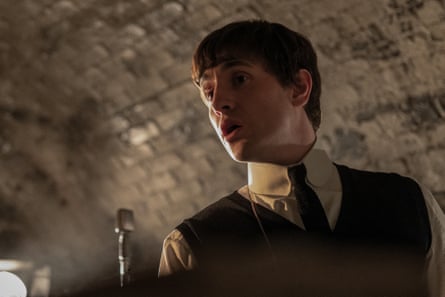
The visitor experience at the reimagined Apple Corps building will likely incorporate interactive elements, archival materials, and multimedia presentations that contextualize The Beatles' creative work and the cultural environment of the 1960s. Educational programming may include guided tours led by music historians, interactive exhibitions exploring the recording process, and curated displays of memorabilia and historical documents. Such comprehensive programming would position the attraction as more than merely a tourist destination, but rather as a significant educational and cultural institution.
The economic impact of opening such an attraction in central London deserves consideration. The West End and Mayfair areas already attract millions of visitors annually, and a dedicated Beatles-themed attraction would likely generate substantial foot traffic. Local businesses, restaurants, and hotels surrounding the site would benefit from increased visitor numbers, creating positive spillover effects throughout the neighborhood. The project also promises to generate employment opportunities in tour guiding, hospitality, curatorial work, and facility management.
Preservation efforts will extend to maintaining the architectural integrity of the original building while implementing necessary modern updates for visitor safety and accessibility. This delicate balance between honoring historical authenticity and meeting contemporary standards represents a common challenge in heritage conservation. The seven-storey design suggests that renovations will include contemporary additions that complement rather than dominate the original structure, ensuring that visitors experience both the building's authentic historical character and modern exhibition spaces.
The Beatles fan community has responded with tremendous enthusiasm to the announcement of this development. For generations of fans, the opportunity to visit the actual location where The Beatles created their final works and performed their final concert represents an extraordinary pilgrimage opportunity. The attraction will serve as a gathering place for Beatles enthusiasts from around the world, creating community and shared experiences centered on their appreciation for the band's musical contributions.
As the 2027 opening date approaches, expect continued announcements regarding specific exhibition plans, programming details, and visiting information. The project represents a significant investment in cultural preservation and heritage tourism, positioning London as an even more compelling destination for music history enthusiasts. Through the careful transformation of 3 Savile Row, Apple Corps is ensuring that the remarkable legacy of The Beatles remains accessible and celebrated for decades to come.
Source: The Guardian


