
Beijing's Strict Drone Ban Defies Global Market Trend

China's capital implements unprecedented citywide drone sales ban starting May 1, restricting sales, storage, and rentals amid tighter national regulations.
In a striking reversal of its role as the world's leading drone manufacturer and seller, Beijing has implemented an unprecedented citywide ban on drone sales that takes effect on May 1. This dramatic regulatory shift marks a significant departure from China's position as the architect of the affordable commercial drone market globally. The new restrictions extend beyond mere usage limitations, encompassing the prohibition of drone sales, rentals, and even the storage of drone components within the Chinese capital's boundaries.
The Beijing drone ban represents part of a broader governmental effort to establish more coherent and enforceable drone regulations across the nation. Chinese officials have long grappled with enforcement inconsistencies and unclear regulatory frameworks that have allowed drone usage to proliferate with minimal oversight. According to Lizzi C. Lee, a fellow specializing in the Chinese economy at the Asia Society Policy Institute's Center for China Analysis in New York City, authorities are moving toward a more systematic and preventive regulatory approach rather than reactive enforcement measures.
Lee explains that drone regulations in China have suffered from "enforcement and rules have been uneven or unclear," necessitating a comprehensive overhaul of how authorities manage these devices. The Beijing municipal government's approach signals a transition toward what Lee describes as a "more comprehensive, front-end approach" to drone governance. This methodology involves implementing citywide restrictions on sales and rentals while simultaneously controlling the entire supply chain, from manufacturing to storage within municipal limits.

What distinguishes this policy initiative is its holistic scope. Rather than focusing exclusively on regulating how drones are used in airspace, Beijing's drone sales restrictions target multiple stages of the product lifecycle. The ban encompasses the sale of new drones, the rental of existing units, and critically, the physical storage of drones and their component parts throughout the city. This multi-layered approach represents what Lee characterizes as "a much more preventive, system-level approach to eliminating unauthorized drone activity rather than just policing them after the fact."
The timing of Beijing's restrictions coincides with increasingly stringent China drone control measures being implemented nationwide. Across the country, authorities are enforcing flight restrictions more rigorously and establishing clearer regulatory parameters for drone operations. These parallel developments suggest a coordinated national strategy to bring drone activities under greater governmental supervision and control. The inconsistencies that previously plagued enforcement efforts appear to be the primary target of these regulatory reforms.
The irony of this situation is particularly striking given China's dominance in the global drone industry. Chinese manufacturers, most notably DJI, have revolutionized the consumer and commercial drone markets by producing affordable, high-quality unmanned aerial vehicles that have achieved worldwide adoption. These same companies have enabled millions of customers across the globe to access drone technology at accessible price points. Yet now, the very capital city that has been home to much of this innovation is moving to restrict the sale and possession of these devices within its own boundaries.
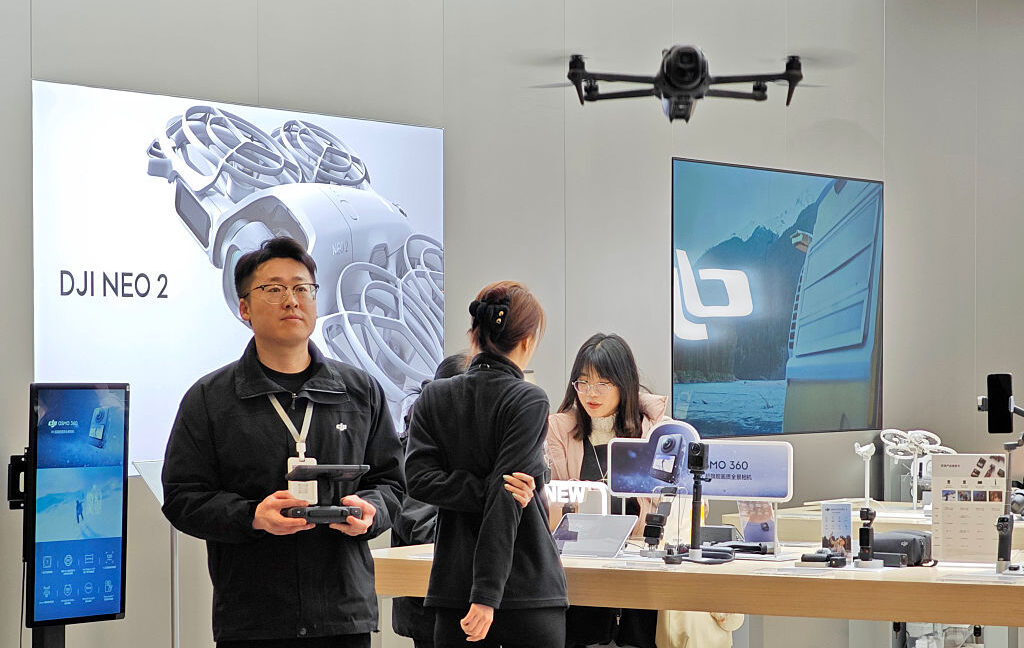
The drone sales ban in Beijing raises important questions about security concerns and public safety objectives that may be driving these policies. Chinese officials have long expressed concerns about unauthorized drone flights, particularly those that might interfere with airport operations, surveillance activities, or pose other security risks. By controlling the availability of drones within the city, authorities hope to reduce the likelihood of problematic flights originating from Beijing residents.
Component storage restrictions are particularly noteworthy, as they suggest concern not just about finished drone units but about the potential for rapid assembly and operation of drone systems. By prohibiting the storage of drone parts and components, the regulation makes it significantly more difficult for individuals to quickly assemble functioning drones for unauthorized purposes. This preventive measure goes several steps beyond typical use-based regulations, targeting the very infrastructure that would enable drone construction.
Lee's analysis suggests that this regulatory evolution reflects a maturation of China's approach to drone governance. Rather than reacting to specific incidents or problems after they occur, Beijing officials are attempting to establish a comprehensive regulatory framework that minimizes the potential for problematic drone activities from the outset. This represents a shift from reactive policing to proactive prevention through supply chain and availability controls.
The implementation of these rules will likely create significant challenges for retailers, rental companies, and consumers within Beijing. Those who previously purchased or rented drones for recreational or professional purposes will need to seek alternatives or relocate their drone-related activities outside the city limits. For delivery services and other commercial applications that rely on drone technology, the ban may necessitate operational adjustments or relocations to compliant regions.
As other major cities worldwide continue to develop frameworks for drone integration into urban airspace, Beijing's restrictive approach stands in sharp contrast. Many cities globally are working to enable drone operations for delivery services, infrastructure inspection, and emergency response applications. Beijing's prohibition of drone sales and storage represents a fundamentally different policy philosophy, one emphasizing control and restriction over integration and enabled innovation.
The broader context of Chinese drone policy suggests that these local restrictions may portend similar measures in other major Chinese cities. If Beijing's model proves effective in reducing unauthorized drone activity and enhancing security outcomes, municipal governments elsewhere may adopt comparable approaches. This could significantly reshape the commercial drone landscape in China, despite the country's continued dominance in global drone manufacturing and export markets.
Looking forward, the success or challenges of Beijing's implementation will provide valuable data about the effectiveness of comprehensive, lifecycle-based drone regulations. If the ban successfully reduces problematic drone activity without significantly impeding legitimate commercial applications, it may influence regulatory thinking in other jurisdictions facing similar drone-related challenges. Conversely, if the restrictions prove overly burdensome or ineffective, they may prompt reconsideration of this regulatory approach.
Source: Ars Technica


