
Belgium Plans Nuclear Nationalization Move

Belgium's PM Bart De Wever announces plan to nationalize nuclear power plants, aiming to reduce fossil fuel imports and strengthen energy independence.
Belgium is charting a significant course in its energy policy as Prime Minister Bart De Wever has announced ambitious plans to nationalize nuclear power plants operating within the country. This strategic move represents a fundamental shift in how the Belgian government approaches energy production and management, signaling a commitment to reducing reliance on imported fossil fuels while simultaneously strengthening national control over critical infrastructure. The announcement comes at a time when European nations are increasingly scrutinizing their energy portfolios and seeking alternatives to traditional petroleum and natural gas sources.
According to De Wever, the nationalization of nuclear facilities will serve multiple policy objectives that extend beyond simple asset acquisition. The Prime Minister emphasized that this initiative would result in "less dependence on fossil fuel imports and more control over our own supply," highlighting two central pillars of Belgium's emerging energy strategy. By bringing these plants under direct state control, the Belgian government aims to ensure greater autonomy in meeting the nation's electricity demands while simultaneously advancing its broader environmental and economic goals.
The move reflects a growing recognition among European policymakers that nuclear energy independence is essential for long-term stability and sustainability. Belgium has historically relied on a mixed energy portfolio that includes nuclear power, but the involvement of private entities and international stakeholders has created dependencies that government officials believe warrant reconsideration. By nationalizing these facilities, Belgium seeks to consolidate decision-making authority and ensure that nuclear assets are managed with the nation's collective interests as the primary concern.
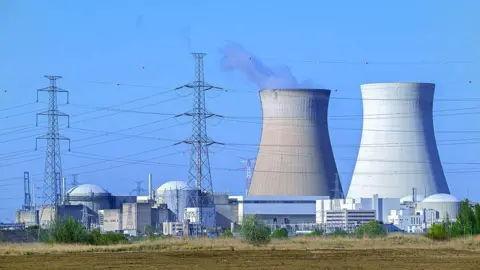
Energy security has become an increasingly pressing concern across Europe, particularly in the aftermath of geopolitical tensions and supply chain disruptions that have highlighted the vulnerabilities of import-dependent energy systems. Belgium's proposed nuclear plant nationalization should be understood within this broader context of European energy policy transformation. The country currently operates nuclear reactors that contribute substantially to its electricity generation, making the sector critical to national economic performance and climate objectives.
The announcement of this nationalization plan also reflects De Wever's government's commitment to addressing climate change while maintaining reliable electricity supplies. Fossil fuel independence has become a priority for many European nations seeking to align their energy systems with climate commitments and environmental regulations. Nuclear power, despite ongoing debates about its safety and waste management, remains a significant source of low-carbon electricity generation, making it attractive to governments pursuing decarbonization targets.
Belgium's initiative aligns with broader European trends toward increased state involvement in critical infrastructure. Several other European nations have similarly examined their nuclear sectors and energy dependencies, recognizing that national ownership can provide better alignment with public policy objectives. The Belgian government's approach suggests confidence in the capacity of state institutions to manage complex technical and commercial operations related to nuclear power generation.
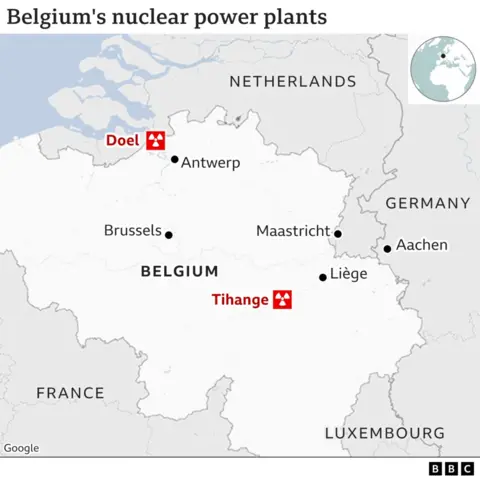
The practical implications of nuclear nationalization extend across multiple dimensions of Belgium's energy landscape. Asset valuation, regulatory frameworks, workforce transition, and operational continuity will all require careful planning and implementation. The government must navigate complex negotiations with existing stakeholders while ensuring that the transition preserves operational excellence and safety standards that have been established over decades of nuclear power generation in the country.
De Wever's proposal also carries significant implications for Belgium's position within the European energy marketplace. The country's electricity production affects regional power dynamics and trading relationships throughout Western Europe. By consolidating control over nuclear assets, Belgium could exert greater influence over energy exports and pricing while ensuring that domestic consumption needs remain a priority. This strategic consideration underscores the geopolitical dimensions of energy policy in contemporary Europe.
From an economic standpoint, the nationalization strategy represents a substantial capital investment for the Belgian state. The government will need to assess the financial implications of acquiring and operating nuclear facilities, including ongoing maintenance costs, regulatory compliance expenses, and potential modernization investments. These financial considerations must be balanced against the anticipated benefits of energy independence and enhanced supply security.
The announcement has generated considerable interest among energy analysts and policy observers who recognize the significance of such a fundamental restructuring of Belgium's nuclear sector. Stakeholders across the energy industry are examining how this proposal might influence broader European energy strategies and whether similar initiatives might emerge in other countries. The interconnected nature of European energy systems means that Belgium's decisions have implications that extend well beyond national boundaries.
Public opinion regarding nuclear power in Belgium has historically been mixed, with environmental advocates and safety-conscious citizens expressing concerns while others recognize the importance of reliable, low-carbon electricity sources. The government's nationalization proposal may influence these conversations by emphasizing the role of public control in ensuring responsible nuclear power management. Transparency and robust regulatory oversight could address some concerns while demonstrating commitment to safety and environmental protection.
De Wever's government is positioning this initiative as a cornerstone of its broader energy transition strategy. By securing direct control over nuclear facilities, Belgium aims to demonstrate to its citizens and international partners that it is taking decisive action to address energy security and climate imperatives simultaneously. The move reflects confidence in nuclear technology's role in the future energy mix while acknowledging the importance of democratic control over critical infrastructure.
Implementation of the nuclear nationalization plan will require coordination across multiple government agencies, legislative bodies, and international regulatory frameworks. Belgium must ensure compliance with European Union regulations while addressing domestic political and economic considerations. The timeline for this transition will likely span several years, during which careful management will be essential to maintain operational continuity and investor confidence in the Belgian energy sector.
Looking forward, Belgium's initiative may serve as a model or cautionary example for other nations contemplating their relationships with nuclear power and energy independence. The success or challenges encountered during implementation could influence how other European countries approach similar questions about public versus private ownership of critical energy infrastructure. This development underscores the dynamic nature of energy policy in Europe and the continuing importance of nuclear power in contemporary discussions about sustainable energy futures.
Source: BBC News


