
Belle and Sebastian Craft Scotland's World Cup Anthem

Stuart Murdoch writes 'It Only Takes One Lion' celebrating Scotland's dramatic World Cup qualifier victory over Denmark with self-deprecating humor.
In the euphoric weeks following Scotland's dramatic World Cup qualification, one of the nation's most celebrated musical acts channeled the collective emotion of an entire nation into song. Stuart Murdoch, the distinctive voice and creative force behind Belle and Sebastian, found himself inspired to compose a stirring new anthem celebrating the Scottish national team's thrilling playoff victory over Denmark. The composition, titled "It Only Takes One Lion," represents a unique intersection of sport and culture, blending Murdoch's characteristic wit with genuine passion for the football team he has supported throughout his entire life.
The genesis of this Scotland anthem came in the hazy, dreamy period immediately following the dramatic match that sent Scottish fans into raptures. Murdoch, watching the pivotal playoff fixture unfold with a mixture of hope and anxiety, described the experience as almost unbearable at times, watching much of the action through his fingers as tension gripped the nation. The sheer intensity of the moment, knowing that Scottish qualification for a major tournament hung in the balance with each pass and shot, proved to be creatively catalyzing for the musician. What emerged was a song that captures not just the victory itself, but the profound emotional journey that Scottish football supporters have endured over decades of heartbreak and near-misses.
The title itself, "It Only Takes One Lion," reflects Murdoch's characteristically self-aware and self-deprecating approach to songwriting. Rather than adopting the grandiose tone typical of many sports anthems, the Belle and Sebastian frontman opted for clever, understated humor that speaks to the Scottish experience in international football. The reference playfully acknowledges the team's struggles while celebrating their undeniable fighting spirit and resilience. This approach differs markedly from Scotland's existing official supporter anthem, "Yes Sir, I Can Boogie," which Murdoch's composition directly references and draws inspiration from, though with a distinctly modern and literary sensibility.

Murdoch's reflection on the immediate aftermath of qualification provides crucial context for understanding the song's emotional resonance. "Most people recognised instantly the next day that they'd witnessed the most important Scottish game ever," the musician explained, capturing the seismic significance of the moment for the nation. This wasn't merely another football match, but rather a watershed moment in Scottish sporting history. The victory represented more than three points and a spot in the World Cup tournament; it symbolized hope, vindication, and the possibility that Scottish football could once again compete on the world's biggest stage. For Murdoch, who has followed the national team for more than five decades, the moment carried personal resonance that transcended typical fan enthusiasm.
The creative process behind the World Cup anthem composition reveals something deeper about Murdoch's connection to Scottish identity and culture. Rather than approaching the commission as a purely commercial or obligatory exercise, the Belle and Sebastian leader invested genuine emotional authenticity into the work. His decades-long devotion to the Scottish national team, through years of disappointment and occasional triumph, informed every lyrical choice and melodic decision. The song ultimately functions as both celebration and love letter to the team and to the millions of Scottish fans whose hopes and dreams have been bound up in the fortunes of their national side.

The Denmark playoff victory that inspired the composition stands as one of modern Scottish football's most significant achievements. After years of falling short in qualifying campaigns, Scotland finally conquered the psychological barrier that had prevented them from reaching a major tournament. The playoff format, while placing enormous pressure on a single match, ultimately proved to be the opportunity Scotland needed. Murdoch's decision to commemorate this moment through music speaks to the broader significance of sport in Scottish culture and identity. Football, in Scotland as throughout much of the world, occupies a uniquely important position in the national consciousness, serving as vehicle for collective pride, shared experience, and cultural expression.
Belle and Sebastian's foray into sports anthem composition represents an interesting cultural crossroads. The band, known for introspective, literary indie pop that appeals to devoted music fans and critics alike, might seem an unconventional choice for creating football anthem material. Yet Murdoch's artistic credibility and genuine passion for the subject matter lend the endeavor authentic weight. Rather than chasing commercial appeal or attempting to manufacture enthusiasm, the musician approached the project with the same artistic integrity that has defined Belle and Sebastian's entire career. This commitment to authenticity distinguishes the work from cynical, manufactured celebration songs.
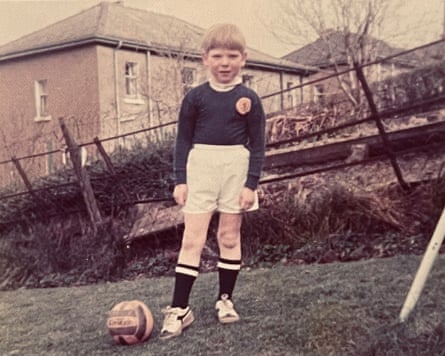
The reference to "Yes Sir, I Can Boogie" in Murdoch's creation of "It Only Takes One Lion" connects contemporary Scottish achievement to the nation's sporting history. The disco classic, famously adopted by Scottish fans as an unofficial anthem, represents an earlier era of national sporting pride and cultural exuberance. By acknowledging this predecessor while charting a new musical direction, Murdoch demonstrates respect for tradition while embracing the possibility of new expressions of national identity. The evolution from the disco-influenced "Yes Sir, I Can Boogie" to Murdoch's more literary, character-driven approach reflects broader changes in how nations express collective identity through music.
Looking forward, the Scotland World Cup anthem will undoubtedly become intertwined with the memory of this qualification campaign and the subsequent tournament experience. Whenever Scottish fans recall this moment—the dramatic playoff victory, the realization that their team had finally broken through—Murdoch's composition will serve as emotional anchor and cultural touchstone. The song transforms a sporting achievement into lasting artistic legacy, ensuring that the moment remains alive in collective memory even as new football seasons arrive and different challenges emerge. For Murdoch personally, the creation represents a fulfillment of lifelong fandom, translating decades of loyalty and emotional investment into creative expression that will endure.
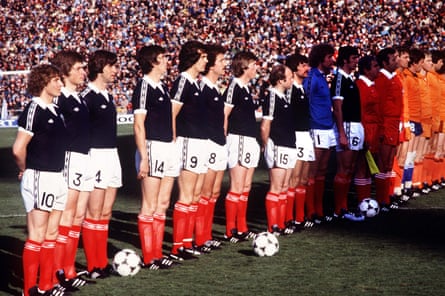
The broader significance of Belle and Sebastian's involvement in celebrating Scottish sporting achievement extends beyond the immediate context of the World Cup qualification. The collaboration between major cultural figures and sports represents how nations construct and celebrate collective identity. When acclaimed musicians like Murdoch lend their talents to sporting moments, they elevate those moments into the realm of cultural history. This intertwining of sport and music, of athletic achievement and artistic expression, creates richer, more multidimensional narratives of national pride and identity. The song ultimately becomes more than entertainment; it becomes historical document and cultural artifact that future generations will encounter as they learn about this pivotal moment in Scottish football history.


