
Israeli security minister Itamar Ben-Gvir faces international backlash after releasing footage of detained aid activists. Multiple countries condemn alleged abuse.
Israel's controversial far-right national security minister, Itamar Ben-Gvir, has ignited a major diplomatic crisis by publicly sharing video footage depicting Israeli security forces engaged in the mistreatment of international humanitarian activists. These activists were detained while attempting to navigate their vessels toward Gaza carrying humanitarian supplies and medical aid for the civilian population. The release of this material has sent shockwaves through the international community and prompted swift condemnation from numerous world governments.
The flotilla incident represents one of the most contentious moments in recent Israeli-international relations, with the footage showing security personnel allegedly abusing the bound detainees in what appears to be a deliberate act of intimidation and humiliation. Ben-Gvir's decision to publicly distribute the video—rather than keep it confidential—has been widely interpreted as a provocative move that deliberately inflames tensions rather than resolving them. The activist's detention during their attempt to deliver humanitarian assistance has raised serious questions about international law and the treatment of civilians engaged in peaceful aid missions.
The international response has been swift, forceful, and remarkably unified across ideological and geographical lines. Countries including the United Kingdom, Canada, Germany, the Netherlands, Spain, and Ireland have all lodged formal protests and expressed their outrage at the treatment of their citizens. In many cases, these complaints have been delivered personally by senior government officials, including members of each nation's executive branch, underscoring the severity with which these governments are treating the matter.
The diplomatic channels have been saturated with stern warnings and official statements from the highest levels of government. Officials from the UK government have characterized the footage as deeply troubling, while Canadian representatives have expressed concern about the apparent mistreatment of their nationals. German and Dutch authorities have similarly condemned what they describe as unacceptable conduct, emphasizing their commitment to ensuring the safety and dignity of their citizens abroad.
The timing of Ben-Gvir's video release has proven particularly inflammatory, occurring during an already delicate period in Middle Eastern geopolitics and international humanitarian efforts. The activist flotilla represents a symbolic attempt by international civil society organizations to break what many describe as a humanitarian blockade affecting Gaza's civilian population. These missions, which have occurred periodically over the years, are often viewed as acts of civil disobedience aimed at drawing attention to humanitarian concerns and challenging what activists characterize as restrictions on aid delivery.
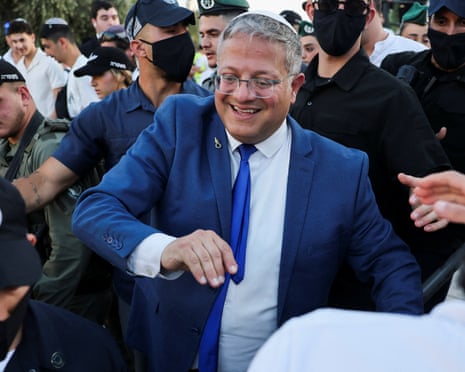
Ben-Gvir, who leads the far-right Otzma Yehudit party and serves as minister of national security within Israel's coalition government, has built a political career on confrontational stances and nationalist rhetoric. His decision to publicize the footage appears consistent with his broader political approach of taking aggressive positions that appeal to his political base. However, analysts suggest that the diplomatic fallout may have exceeded his apparent expectations, with the scale and unity of international condemnation creating a significant headache for Israeli diplomatic efforts.

The incident raises substantial questions about international humanitarian law and the obligations of states to treat detainees humanely regardless of the circumstances of their detention. International legal frameworks, including the Geneva Conventions and various human rights protocols, establish clear standards for the treatment of individuals in state custody. The apparent abuse documented in the video appears to violate these established norms, which is why multiple governments have found common ground in their condemnation.
Spain and Ireland, both nations with active peace and human rights advocacy traditions, have been particularly vocal in their objections. Spanish officials have called for an immediate investigation into the allegations, while Irish representatives have emphasized their nation's commitment to upholding international humanitarian standards. These responses reflect a broader European concern about maintaining universal standards for human rights regardless of geopolitical context.
The broader context of the Gaza aid situation has become increasingly central to international criticism of Israeli policies. The humanitarian crisis in Gaza has prompted multiple international aid initiatives, and attempts to deliver assistance through flotillas represent one avenue through which activists and humanitarian organizations seek to address civilian needs. The detention and reported mistreatment of those engaged in such missions amplifies concerns about access to the territory and the treatment of humanitarian workers.

Israeli government officials have indicated they were aware of the publication but have not immediately distanced themselves from Ben-Gvir's actions. This apparent tacit acceptance has further complicated the diplomatic situation, as it raises questions about broader government approval or at minimum, a failure to actively condemn the minister's conduct. The lack of immediate correction or repudiation from other Israeli government quarters has intensified criticism from international observers.
The incident demonstrates the ongoing tensions surrounding Gaza access, humanitarian aid delivery, and competing narratives about security concerns and humanitarian obligations. Israeli authorities maintain that security measures are necessary to prevent weapons smuggling and protect Israeli citizens from potential threats. However, international human rights organizations and foreign governments argue that such concerns do not justify the apparent mistreatment of detainees or obstruction of legitimate humanitarian assistance.
The video's release marks a notable escalation in rhetoric and action from Israeli security officials, and observers anticipate that the diplomatic fallout will persist for months to come. The coordinated international response suggests that this incident may have lasting consequences for Israeli-Western relations, particularly with countries in Europe and the Anglophone world where public opinion and government policy are increasingly influenced by Gaza-related humanitarian concerns.
The situation underscores the challenging intersection of security concerns, humanitarian obligations, and diplomatic relations in the context of the Israeli-Palestinian conflict. As international pressure mounts and investigations begin, the coming weeks will likely see continued diplomatic engagement and potential policy responses from affected nations. The incident serves as a reminder that actions by individual government officials, particularly those in sensitive security roles, can rapidly escalate into full-fledged diplomatic crises with substantial international ramifications.
Source: The Guardian



