
Benin's High-Stakes Election: Transition of Power Amid Coup Attempt

Benin holds a pivotal presidential election just 4 months after a failed coup, with the finance minister as the front-runner to succeed long-time president Patrice Talon.
As President Patrice Talon steps down after a decade in power, Benin, the West African nation, finds itself at a critical juncture. This Sunday's presidential election, scheduled just four months after a failed coup attempt, has taken on heightened significance, as the country navigates a delicate transition of leadership.
The frontrunner to succeed Talon is the country's finance minister, a seasoned technocrat who has promised to maintain economic stability and continue the nation's democratic progress. However, the shadow of the recent coup attempt looms large, raising concerns about the integrity of the electoral process and the potential for further political upheaval.

Talon, a businessman-turned-politician, has presided over a period of economic growth and infrastructure development during his two terms in office. Yet, his tenure has also been marked by a crackdown on political opposition and a perceived consolidation of power. The failed coup, which authorities have blamed on disgruntled military officers, has only added to the sense of uncertainty surrounding the upcoming vote.
In this climate of heightened tension, Benin's election has taken on regional and global significance. The country has long been considered a beacon of democracy in a region plagued by political instability and military coups. The peaceful transition of power, should it occur, would be a testament to the resilience of Benin's democratic institutions and a potential model for other African nations grappling with similar challenges.
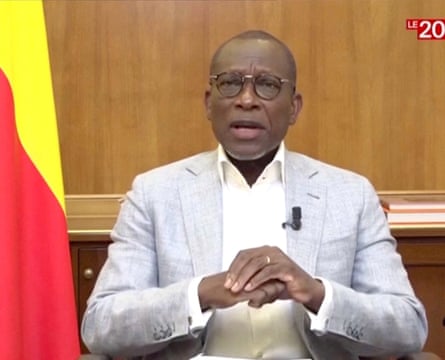
However, the road ahead is not without obstacles. The finance minister, widely regarded as the frontrunner, will need to navigate a delicate balancing act, appeasing both those who seek continuity and those who demand meaningful change. The potential for post-election unrest, should the results be disputed, remains a concern, underscoring the fragility of the country's political landscape.
As Benin's citizens head to the polls, they will be making a choice that will shape the nation's future for years to come. The outcome of this election will not only determine the country's leadership but also its ability to safeguard its hard-won democratic gains and chart a course towards greater stability and prosperity.


