
Best TVs 2024: OLED vs RGB LCD Technology

Expert guide comparing OLED and RGB LCD TVs. Learn which display technology suits your needs and discover top TV models to buy this year.
Choosing the right television in today's market can feel overwhelming with so many options and competing technologies vying for your attention. The landscape of display technology has evolved dramatically over the past few years, with manufacturers pushing the boundaries of what's possible in home entertainment. Understanding the differences between OLED TVs and RGB LCD technology is essential for making an informed purchase decision that aligns with your viewing habits and budget constraints.
The television market has seen remarkable innovation in recent years, with two dominant display technologies capturing the lion's share of consumer interest. OLED (Organic Light-Emitting Diode) displays have revolutionized the premium segment by offering unparalleled picture quality through pixel-level light control, while RGB LCD TVs continue to dominate the mainstream market with improved efficiency and competitive pricing. Each technology presents distinct advantages and trade-offs that potential buyers must carefully weigh before committing to a significant investment in home entertainment equipment.
OLED technology represents a quantum leap in display innovation, fundamentally changing how pixels produce light and color. Unlike traditional LCD screens that rely on a backlight to illuminate pixels, OLED displays feature individual organic compounds that emit their own light when electrical current passes through them. This architectural difference enables perfect black levels since pixels can be completely turned off, resulting in infinite contrast ratios that create a visually stunning viewing experience. The technology also delivers exceptional color accuracy and wider viewing angles compared to conventional LCD displays, making OLED TVs particularly appealing for movie enthusiasts and gamers seeking premium picture quality.
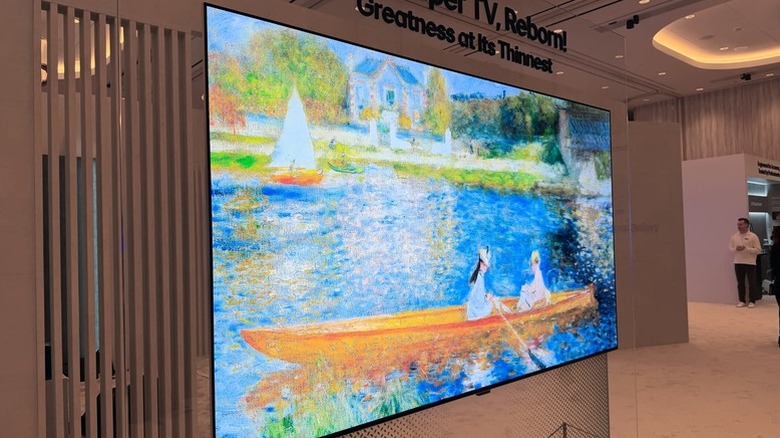
Despite their advantages, OLED televisions come with significant drawbacks that prevent them from being suitable for all consumers. The primary concern involves the risk of image burn-in, where static images displayed for extended periods can permanently damage the screen, creating ghostly outlines that remain visible. The manufacturing process for OLED panels is considerably more complex and expensive than traditional LCD production, which directly translates to premium pricing that can deter budget-conscious shoppers. Additionally, OLED TVs typically have shorter lifespans compared to LCD counterparts, and replacement costs can be prohibitively expensive once the warranty period expires.
RGB LCD technology, conversely, has proven to be a reliable, cost-effective solution that serves the majority of television purchasers worldwide. These displays use a backlight system combined with liquid crystal displays and color filters to produce images, a manufacturing process that has been refined over decades to achieve impressive efficiency and durability. The RGB LCD TVs dominate the affordable-to-mid-range market segments, providing excellent value for families and casual viewers who prioritize reliability and longevity over bleeding-edge picture quality. Modern LCD displays have made tremendous strides in reducing motion blur, improving refresh rates, and enhancing overall image quality, making them a pragmatic choice for most households.
When evaluating new TV purchases, consumers must consider their specific use cases and viewing patterns to determine which technology best suits their needs. Those who watch movies and premium content regularly and can afford premium pricing should seriously consider OLED televisions, as the superior picture quality and immersive viewing experience justify the investment. Meanwhile, families with children, households that use televisions as background entertainment, and budget-minded consumers will find excellent value and reliability with modern RGB LCD televisions that offer solid performance without the premium price tag.
The resolution capabilities of modern televisions have also undergone significant transformation, with 4K displays becoming the standard across most price points in the TV market. Both OLED and LCD technologies now support 4K resolution, which provides four times the pixel density of traditional 1080p displays, resulting in sharper, more detailed images when viewing from typical living room distances. The emergence of 8K televisions remains largely a future consideration for most consumers, as content availability remains limited and the price premium remains unjustifiable for the majority of viewers at this stage of technological development.
Smart TV functionality has become an essential feature rather than a premium add-on, with virtually all televisions released in recent years incorporating streaming apps and internet connectivity. The integration of platforms like Roku, webOS, Google TV, and Samsung's Tizen operating system has dramatically simplified the process of accessing content from various streaming services without requiring additional hardware. These smart systems continue to evolve with regular software updates that add new features, improve performance, and expand available applications, making the television itself a comprehensive entertainment hub rather than just a display device.
Refresh rate specifications have taken on increased importance for consumers interested in gaming and fast-action content viewing. Modern TVs increasingly feature 120Hz refresh rates, which allow for smoother motion rendering and significantly improved responsiveness when gaming with next-generation consoles. This specification has become particularly relevant as PlayStation 5 and Xbox Series X users seek televisions capable of displaying high-frame-rate gaming at their full potential. HDR (High Dynamic Range) support has also become standard across most quality televisions, providing enhanced contrast and color grading that reveals details in both bright highlights and dark shadows that traditional SDR content cannot display.
The decision between different television brands requires consideration of build quality, customer service reputation, software update policies, and long-term reliability records. Established manufacturers like LG, Samsung, and Sony have maintained strong market positions through consistent innovation and customer satisfaction, while newer competitors have disrupted the market with aggressive pricing strategies and feature-rich offerings. Reading professional reviews and customer feedback can provide valuable insights into the real-world performance and durability of specific models before making a final purchase decision.
Price considerations remain critical for most consumers, as televisions represent a significant household investment that typically serves the family for five to ten years. The sweet spot for value-conscious buyers currently exists in the 55 to 65-inch range with 4K resolution and HDR support, where manufacturers compete aggressively and offer excellent features at moderate price points. Premium models with cutting-edge OLED technology command substantially higher prices that may not provide proportional benefit for casual viewers, while extremely budget models at the low end of the spectrum may lack essential features and optimizations that enhance the viewing experience.
Looking ahead, the television industry continues evolving with emerging technologies like mini-LED backlighting that attempts to bridge the gap between traditional LCD and OLED performance. These advanced LCD variations use thousands of tiny LED backlights to provide superior contrast control while maintaining the affordability and reliability advantages of traditional LCD technology. As research and development efforts continue, consumers can expect continued improvements in picture quality, durability, and features across all price segments, making this an exciting time to evaluate options and upgrade aging television sets.
Source: Engadget


