
Billionaire Democrat Pushes 'Tax-the-Rich' Platform

Tom Steyer's California gubernatorial campaign challenges wealthy norms by advocating higher taxes on billionaires like himself, testing Democratic voter appetite for populist policies.
In a striking departure from typical political messaging, Tom Steyer has constructed his gubernatorial campaign for California around a central pillar: making housing and living costs more affordable for ordinary Americans while simultaneously advocating for substantially higher taxes on the wealthy. This positioning represents a notable experiment within Democratic Party politics, as party strategists watch closely to gauge whether voters will embrace populist economic policies championed by someone worth $2.4 billion.
The hedge fund founder and climate change activist has transformed himself into an unlikely champion of progressive taxation, despite his enormous personal wealth. His campaign message centers on the paradox of a billionaire arguing that the ultra-wealthy should contribute significantly more to public coffers. This unconventional approach has captured attention across the political spectrum, with some viewing it as refreshingly authentic and others questioning whether a candidate of such vast means can genuinely represent working-class concerns.
Steyer's path to this political position reflects decades of evolution from pure finance professional to activist and donor. Before launching his gubernatorial bid, he made his fortune managing hedge funds and building a substantial portfolio of investments. However, he increasingly devoted resources to climate activism and liberal political causes, earning a reputation as one of the Democratic Party's most generous mega-donors. This transformation from Wall Street financier to progressive advocate forms the foundation of his political narrative.

The California governor's race has become an arena for testing whether Democratic voters will embrace candidates who advocate for aggressive wealth redistribution policies. Steyer's willingness to openly call for higher taxes on billionaires creates an interesting test case for Democratic politics at a moment when economic inequality remains a central concern for party activists and primary voters. His campaign essentially asks: will Democratic primary voters trust a billionaire who says he should pay more in taxes?
This political experiment comes against the backdrop of broader conversations within the Democratic Party about wealth inequality and tax policy. Progressive taxation has emerged as a defining issue in recent Democratic campaigns, with various candidates proposing wealth taxes, higher marginal income tax rates, and other mechanisms to increase revenue from wealthy Americans. Steyer's campaign adds a unique dimension to this discussion by placing a billionaire at the center of the message rather than viewing wealthy individuals as obstacles to reform.
The affordability crisis in California provides Steyer with a compelling backdrop for his policy proposals. Housing costs have reached unprecedented levels in major metropolitan areas, creating a squeeze on middle-class residents and making homeownership increasingly unattainable for younger generations. Healthcare expenses, education costs, and childcare further strain household budgets across the state. By framing his tax-on-the-wealthy platform as a solution to these concrete problems, Steyer connects abstract economic policy to tangible quality-of-life issues.
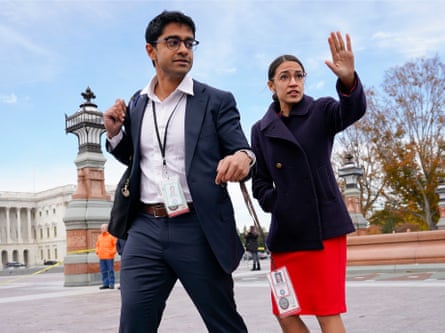
Political observers note that Steyer is not operating in isolation within Democratic circles. Other wealthy candidates have similarly tested whether the party's base will accept progressive messaging from affluent individuals. This broader trend suggests that billionaire candidates are increasingly attempting to navigate Democratic politics by openly acknowledging their wealth and proposing policies they claim would benefit the broader population. Whether this strategy proves successful remains an open question that will likely influence future campaigns.
The effectiveness of Steyer's positioning depends partly on the credibility he brings to his stated commitments. His history of substantial donations to progressive causes and climate activism provides some evidence of his ideological consistency. However, skeptics argue that no amount of past donations truly demonstrates that a billionaire understands or prioritizes the needs of working-class Americans. This tension between rhetoric and lived experience forms a central challenge for Steyer's campaign messaging.
California's political landscape adds additional complexity to Steyer's campaign equation. The state has a tradition of progressive politics and strong environmental consciousness, both of which align with Steyer's background and stated priorities. Simultaneously, California's severe affordability crisis means voters are primed to care deeply about economic policies that directly impact their daily lives. This convergence creates both opportunity and risk for a candidate trying to position himself as a bridge between wealthy interests and working-class needs.
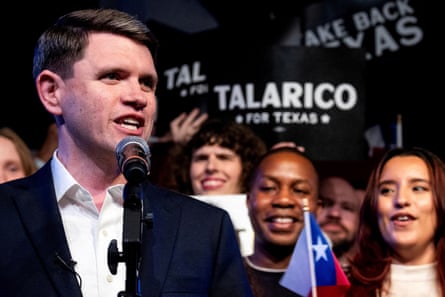
The broader implications of Steyer's campaign extend beyond California politics. If Democratic primary voters embrace a billionaire who advocates for aggressive taxation of the wealthy, it could signal a shift in how the party thinks about money, power, and representation. Conversely, if voters reject Steyer's message despite his progressive credentials, it might suggest deeper skepticism about whether any billionaire can authentically champion working-class interests, regardless of their stated commitments.
Economic policy experts point out that implementing the wealth tax policies Steyer advocates would require not just political will but also significant legal and administrative frameworks. Questions about constitutional challenges, enforcement mechanisms, and preventing capital flight from high-tax states remain unresolved in broader policy debates. Steyer's campaign inevitably touches on these complex technical questions while primarily focusing on the moral and political case for redistribution.
Media coverage of Steyer's campaign has emphasized the novelty of his positioning, with many outlets noting the apparent contradiction between his wealth and his redistributive message. This attention presents both advantages and disadvantages for his candidacy. The novelty generates media coverage and voter interest, but it also invites constant scrutiny of his wealth and questioning about his true motivations and commitment to the policies he espouses.

Looking forward, Steyer's campaign will likely serve as a case study in how Democratic voters evaluate wealth and political authenticity. The experiment tests fundamental assumptions about whether voters will support candidates based on their policy proposals and demonstrated commitments, even when those candidates possess extraordinary personal wealth. As Democratic politics continue to grapple with questions of economic justice and inequality, candidates like Steyer will remain central to party discussions about how to address these challenges while remaining inclusive of diverse perspectives and backgrounds.
Source: The Guardian


