
Black Athletes Face Critical Moment in Fight for Equality

The NAACP's boycott call signals a pivotal moment for Black college athletes to leverage their influence against systemic discrimination and erosion of civil rights protections.
In the contemporary American landscape, Black college athletes stand at a crossroads, facing unprecedented pressure as their fundamental rights come under assault from multiple institutional fronts. The clarion call issued by the NAACP represents far more than a simple boycott proposal—it embodies a watershed moment for a generation of athletes who possess extraordinary cultural influence yet frequently find themselves constrained by the very systems they help sustain through their talents and performances.
Nearly six years have elapsed since the United States purportedly entered a period of significant racial reckoning, a moment when national institutions promised meaningful examination and reform of systemic inequities. However, the intervening years have revealed this period to be largely performative, replaced now by what constitutes a comprehensive and multifaceted assault on Black American advancement and civil rights protections. The erosion of gains achieved through decades of struggle has accelerated dramatically, setting the stage for a critical reassessment of power dynamics and strategy within the Black community.
The assault extends from the nation's highest centers of power, where executive authority has been wielded to systematically dismantle protections and programs designed to address historical inequities. From the very first day of the current administration's re-inauguration, the sitting president has articulated a worldview that positions white Americans—particularly white people globally—as the true victims of racial discrimination, inverting the historical and contemporary record of systemic disadvantage. This ideological framework has been translated into concrete policy measures that reshape the legal landscape governing workplace diversity, educational access, and federal resource allocation.
What makes this moment particularly insidious is the codification of what has long been implicit in American racial ideology: the notion that Black achievement results not from individual excellence, determination, or capability, but rather from preferential treatment and artificial advantages. This belief, long whispered in private conversations and shouted in certain public forums, has now been embedded into the machinery of government itself. The diversity initiatives and equity programs that emerged from decades of civil rights activism are being systematically dismantled, replaced by policies that deny the existence or relevance of structural racism altogether.
The administration's immigration policy further illuminates the contradictions embedded in the current racial hierarchy. While simultaneously restricting immigration from much of the world and implementing stringent border policies, the government announced plans to grant entry to an additional 10,000 white South Africans, framed explicitly as an emergency response to purported anti-white discrimination in that nation. This selective immigration policy, which will reportedly cost American taxpayers approximately $100 million, represents a stunning illustration of how racial preferences continue to function within American governance structures—they simply favor white populations rather than populations of color.
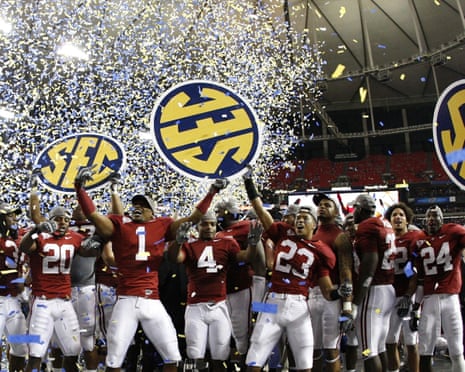
Black athletes, particularly those competing at the college level, occupy a unique and powerful position within this contemporary crisis. These individuals command enormous audiences, generate billions of dollars in revenue, and wield substantial cultural influence that extends far beyond the playing field or court. Their platforms reach millions of Americans daily, providing them with unparalleled capacity to shape public discourse and mobilize constituencies. Yet this power frequently remains untapped, constrained by contractual obligations, institutional pressures, and concerns about professional consequences.
The NAACP's boycott call directly addresses this contradiction, appealing to athletes to recognize that their individual advancement means little if the community from which they emerge continues to face systematic erasure and disenfranchisement. The organization's position represents an understanding that the current moment demands not strategic silence or careful positioning, but rather decisive action grounded in collective interest. Athletes who have benefited from educational scholarships, media platforms, and professional opportunities bear a particular responsibility to those still fighting for basic institutional recognition and equal treatment.
Historical precedent demonstrates the extraordinary power that athlete activism can exercise. From Jesse Owens's defiance of Nazi ideology to Muhammad Ali's principled stance against an unjust war to Serena and Venus Williams's ongoing advocacy for maternal health equity, athlete activism has shaped national conversations and forced institutional reckoning. The current generation of college athletes, many of whom are the first in their families to access elite educational institutions and professional opportunities, possess the capacity to replicate and expand upon this legacy of principled action.
The assault on Black America extends far beyond the realm of racial equity policies and immigration frameworks. Educational institutions face mounting pressure to eliminate affirmative action programs and race-conscious admissions policies, directly threatening the pathways through which many Black students access elite universities. Voting rights protections continue to erode through both legislative action and judicial decisions that dismantle previously established safeguards. Healthcare disparities persist and even widen, reflecting the ongoing marginalization of Black Americans within medical institutions. Criminal justice systems continue to disproportionately target and incarcerate Black individuals, perpetuating cycles of institutional racism that have endured for centuries.
Within this comprehensive assault, the question before Black college athletes becomes increasingly urgent: Will they continue to accept the personal advancement their talents have earned them while remaining silent about the systemic constraints facing their communities? Or will they recognize that their exceptional positions within American institutions provide them with platforms and resources that carry corresponding responsibilities? The NAACP's boycott call insists that the latter position represents not only moral correctness but also enlightened self-interest.
The power dynamics that structure college athletics have long worked against the interests of Black athletes themselves. These individuals generate enormous wealth for universities and athletic conferences while receiving compensation limited to scholarships and access to facilities. They face higher academic pressures, higher rates of injury and long-term health consequences, and systematically lower graduation rates than their white counterparts. Their bodies are commodified and their images exploited while their voices remain circumscribed by institutional gatekeepers who benefit from their silence.
Recognizing and mobilizing around these realities does not require Black college athletes to abandon their athletic pursuits or compromise their individual goals. Rather, it demands that they understand their collective power and the ways in which strategic collective action can simultaneously advance their interests and those of their broader communities. Boycotts and coordinated activism have historically proven effective tools for institutional change, from labor movements to civil rights struggles to contemporary corporate accountability campaigns.
The current moment carries particular urgency because the legal and political landscape continues to shift in directions hostile to Black advancement. Judicial decisions gutting affirmative action protections, executive orders eliminating diversity programs, and legislative efforts to restrict voting access all conspire to narrow the pathways through which Black Americans have historically pursued equity and inclusion. For Black college athletes, the window in which institutional leverage remains available may be closing. The time to exercise that power, to convert cultural influence into material change, approaches its critical juncture.
The NAACP's boycott call thus represents far more than a simple tactical proposal. It constitutes an invitation for Black athletes to recognize themselves as active agents in their own liberation struggle, not merely as beneficiaries of systemic protections won by previous generations. It asks them to understand that their exceptional individual accomplishments carry within them the seeds of collective advancement, waiting to be cultivated through principled action. In a nation where their rights face assault from every institutional direction, Black college athletes possess the power to shape outcomes. The question now becomes whether they will seize that moment.
Source: The Guardian


