
Blue Origin's Reusable Rocket Triumph Marred by Upper Stage Failure

Blue Origin achieves a milestone with the first successful reflight of its New Glenn heavy-lift rocket, but an issue with the upper stage dampens the triumph.
Blue Origin, the aerospace company founded by Jeff Bezos, has taken a significant step forward in the realm of reusable rocketry with the successful reflight of its New Glenn heavy-lift launch vehicle. However, the triumph was tempered by a setback involving the rocket's upper stage.
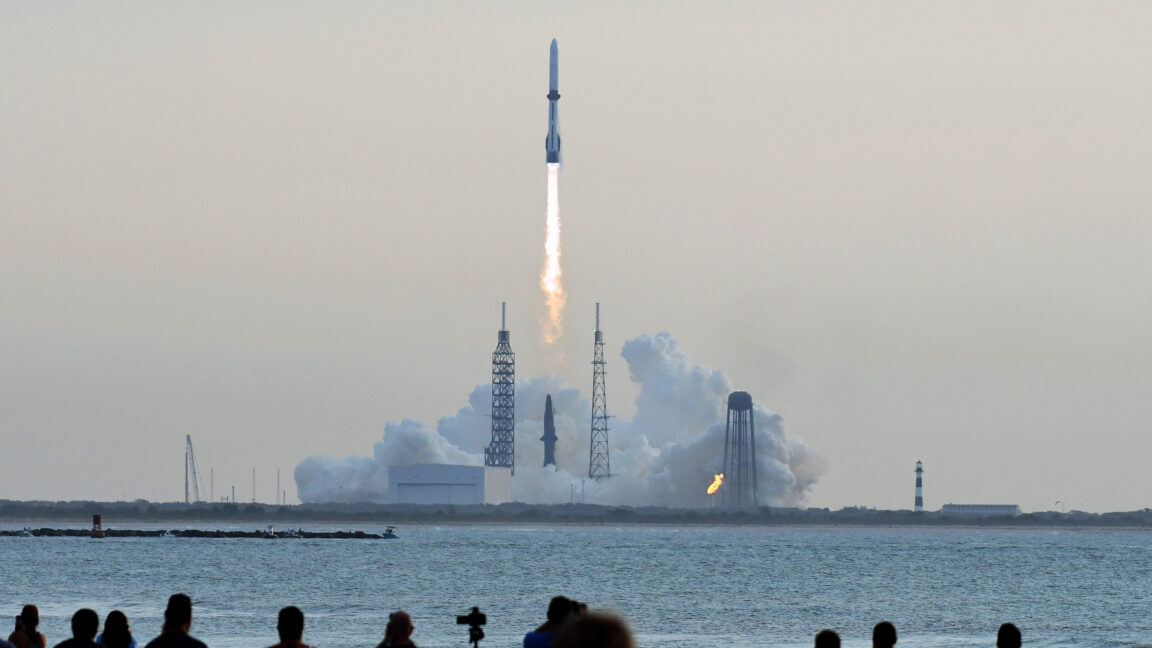
The third flight of the 321-foot-tall (98-meter) New Glenn began on Sunday morning, with the vehicle's seven powerful methane-fueled BE-4 engines igniting at 7:25 am EDT (11:25 UTC) from Cape Canaveral Space Force Station in Florida. The main engines, each producing more than half a million pounds of thrust, propelled the rocket past the speed of sound in about a minute and a half.
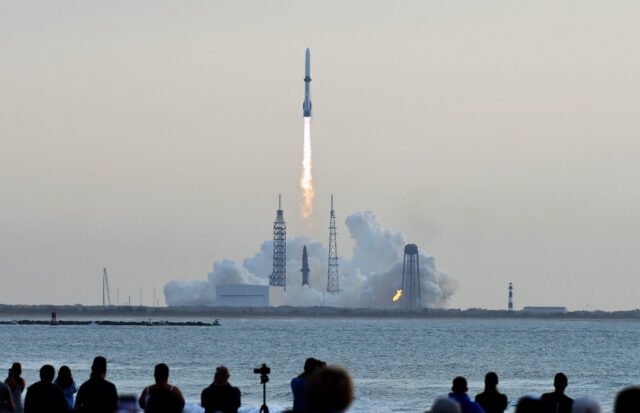
Three minutes into the flight, the booster stage switched off its engines and separated from the upper stage, powered by two BE-3U engines burning liquid hydrogen and liquid oxygen. However, an issue with the upper stage occurred, dampening the overall success of the mission.
The New Glenn is a crucial component of NASA's Artemis lunar program, which aims to return humans to the Moon. The successful reflight of the booster stage represents a significant milestone for Blue Origin, as it demonstrates the company's ability to reuse its orbital-class rockets, a key aspect of reducing launch costs and increasing access to space.
Despite the upper stage setback, the achievement of the first successful reflight of the New Glenn booster is a testament to Blue Origin's technical prowess and commitment to advancing reusable rocketry. As the company continues to refine its systems and address the issues with the upper stage, the future of the New Glenn and its role in the Artemis program remains a closely watched development in the space industry.
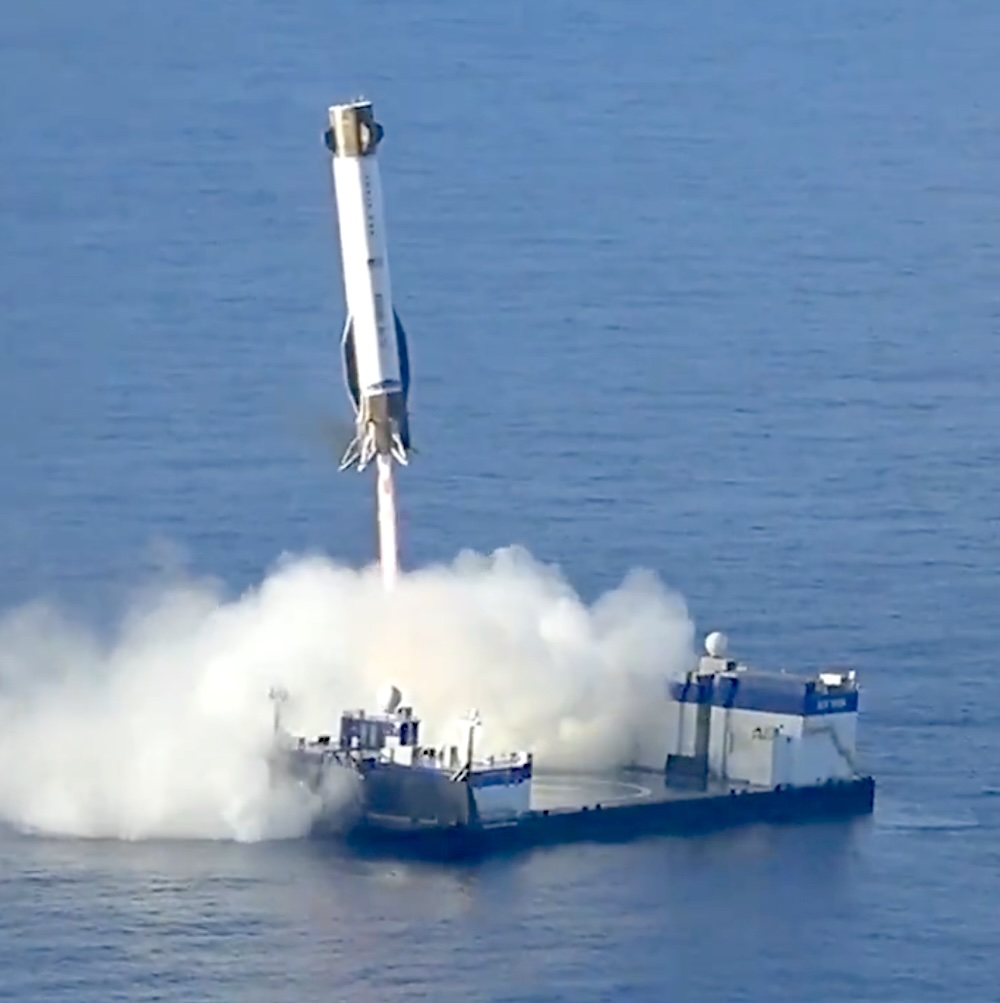
The reusability of launch vehicles is a crucial aspect of making space exploration more accessible and cost-effective. By demonstrating its ability to reuse the New Glenn booster, Blue Origin has taken a significant step towards realizing this goal, even as it works to resolve the challenges with the upper stage of the rocket.
Source: Ars Technica


