
Blue Origin Seeks External Funding for Launch Goals

Blue Origin may pursue external fundraising to meet ambitious launch targets, CEO Dave Limp reveals. SpaceX IPO sparks investor interest in space sector.
Blue Origin, the aerospace company founded by Jeff Bezos, is actively considering its inaugural external fundraising initiative as part of a comprehensive strategy to accelerate rocket launch operations and capitalize on growing investor enthusiasm in the commercial space sector. The timing of this potential investment round coincides with heightened market interest sparked by SpaceX's anticipated initial public offering, which has reignited investor focus on space exploration ventures and their commercial applications.
During a recent company-wide meeting, Chief Executive Officer Dave Limp provided candid remarks to Blue Origin's workforce regarding the financial requirements necessary to realize the company's ambitious launch cadence targets. According to attendees at the gathering, Limp emphasized that achieving the company's projected number of orbital and suborbital launches would demand substantial capital investment—significantly more funding than could be secured through a single investor or internal resources alone.
The CEO's comments underscore the economic realities facing even well-funded aerospace companies as they pursue aggressive expansion plans. Limp indicated that Blue Origin would need to secure external capital investment to bridge the financial gap between current operational capacity and the enhanced launch frequency the company has publicly announced. This acknowledgment represents a notable shift in Blue Origin's funding strategy, as the company has historically relied on Bezos' substantial personal wealth and annual injections of capital from Amazon founder's private investment vehicle.
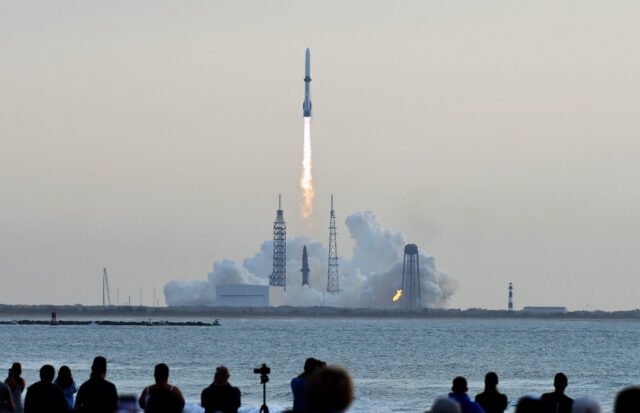
The space industry landscape has undergone significant transformation in recent years, with commercial space launch becoming increasingly competitive and capital-intensive. Blue Origin competes directly with established players like SpaceX and emerging competitors, all vying for government contracts, commercial satellite launch services, and space tourism opportunities. The company's New Glenn heavy-lift launch vehicle and New Shepard suborbital tourism vehicle represent substantial investments that require ongoing development, testing, and operational expenditures.
SpaceX's anticipated public offering has served as a catalyst for broader market enthusiasm around space industry investments and valuations. The successful IPO of a major spaceflight company would likely validate the commercial viability of space ventures and potentially open pathways for other companies in the sector to access public capital markets. Blue Origin's consideration of external funding suggests the company recognizes this favorable investment climate and seeks to capitalize on investor appetite before market conditions potentially shift.
The financial requirements for achieving Blue Origin's launch targets reflect the substantial infrastructure, personnel, and operational costs associated with modern rocket operations. Each orbital launch requires extensive preparation, regulatory compliance, safety certifications, and specialized technical expertise. Scaling up launch cadence necessitates not only manufacturing additional rocket components but also expanding launch facilities, hiring skilled engineers and technicians, and establishing supply chain networks capable of supporting higher production volumes.
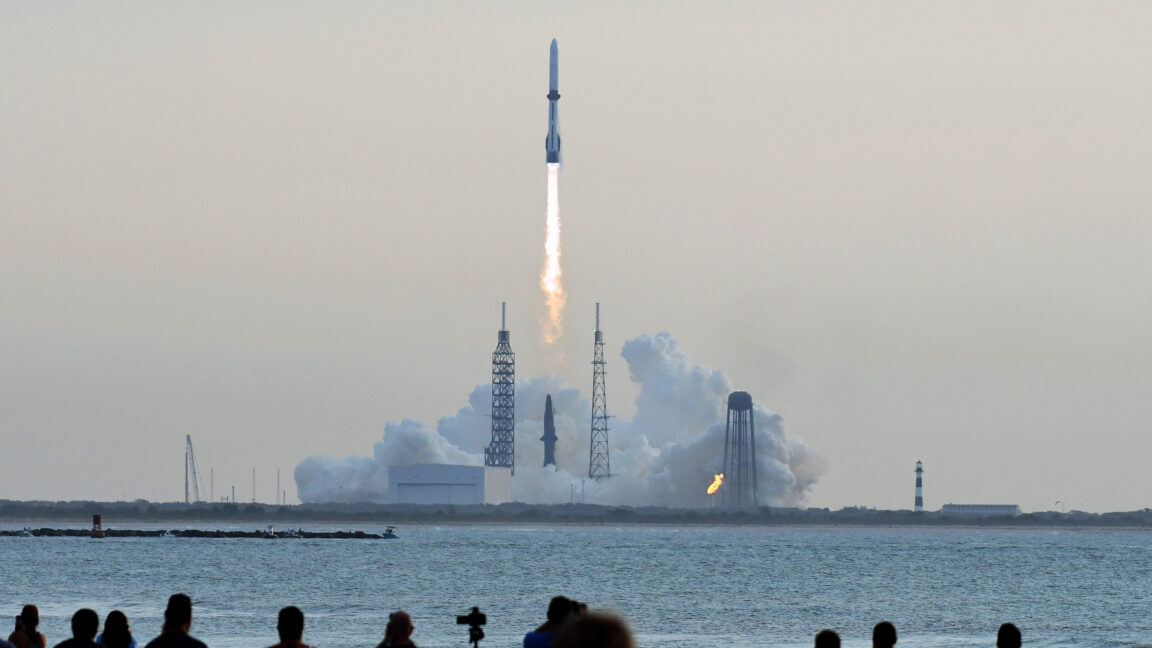
Blue Origin's potential move toward external fundraising represents a strategic evolution for the company as it matures from a Bezos-funded venture into a more conventional aerospace enterprise with diverse financial backing. Historical precedent suggests that even companies with wealthy founders eventually pursue external investment to fund aggressive growth plans and access additional expertise and networks that institutional investors bring. The decision to seek outside capital also signals management's confidence in the company's trajectory and commercial viability in the years ahead.
The amount of capital that Blue Origin may seek has not been publicly disclosed, and the timeline for potential fundraising remains uncertain. Industry analysts and observers will likely scrutinize any investment announcements closely to assess valuation, investor composition, and implications for the company's strategic direction. The specific allocation of raised capital—whether directed primarily toward New Glenn development, launch facility expansion, manufacturing capacity, or other initiatives—will provide important signals about Blue Origin's near-term priorities.
Limp's transparent communication with employees about the funding requirements demonstrates the need for organizational alignment around financial realities and strategic objectives. When company leadership candidly discusses capital needs and growth ambitions, it typically fosters greater employee understanding of strategic decisions and operational constraints. This transparency may also facilitate recruitment and retention efforts, as potential and current employees gain clarity regarding the company's financial health and expansion plans.
The aerospace and space exploration sectors have historically attracted significant institutional investment, government contracts, and private capital as nations and companies recognize the strategic, scientific, and commercial importance of space capabilities. Blue Origin's contemplation of external fundraising places the company within a broader context of space industry growth and consolidation occurring across multiple countries and private entities. As space launch services become increasingly commoditized and competitive, maintaining technological leadership and operational efficiency requires continuous investment in research, development, and infrastructure.
Blue Origin's stated launch targets and the capital requirements associated with achieving them reflect the company's confidence in commercial demand for its services. The growing constellation of commercial satellites, scientific missions, national security launches, and space tourism activities suggest robust demand for reliable launch providers. However, converting this demand into profitable operations while scaling launch cadence simultaneously presents substantial challenges that require both technical innovation and financial resources.
As Blue Origin progresses toward potential fundraising, the company will need to articulate compelling investment thesis to prospective investors. This likely involves demonstrating technological differentiation, competitive advantages, addressable market opportunities, and credible paths to profitability. The company's track record with successful New Shepard suborbital flights and progress on New Glenn development provide concrete achievements that could bolster investor confidence in management's execution capabilities.
The broader context of Blue Origin's potential funding round includes evolving dynamics in the commercial space sector, where traditional aerospace contractors compete with nimble startups and established spaceflight companies pursue aggressive growth strategies. Government spending on space capabilities, including both NASA programs and military space requirements, continues expanding. Additionally, international competition from space agencies in Europe, China, Japan, and other nations sustains long-term demand for reliable commercial launch providers.
Blue Origin's consideration of external capital aligns with the company's stated ambitions to establish itself as a major provider of orbital launch services, suborbital tourism, lunar lander services, and potentially other space-based commerce opportunities. Achieving leadership positions across multiple space industry segments requires resources that exceed those available through founder-only funding models. External investors bring not only capital but also expertise, networks, and credibility that can facilitate business development and strategic partnerships.
The timing and structure of any eventual fundraising by Blue Origin will likely influence valuations, investor returns, and the company's future strategic flexibility. Investors will scrutinize the terms of investment, governance structure, and anticipated return horizons. The space industry's capital intensity and relatively long development timelines for new vehicles and capabilities mean that space company investors typically require patience and sufficient financial resources to absorb extended development periods before generating returns.
Source: Ars Technica


