
BNP Wins Historic Bangladesh Election After Hasina Fall

Bangladesh Nationalist Party secures sweeping victory in first democratic election since Sheikh Hasina's overthrow, winning 212 seats after 20 years.
In a momentous political shift that marks the dawn of a new era for Bangladesh, the Bangladesh Nationalist Party (BNP) has emerged victorious in the nation's first democratic election since the dramatic overthrow of Sheikh Hasina's autocratic government. Led by Tarique Rahman, the BNP secured a commanding victory that signals the end of two decades in political wilderness and the beginning of what many hope will be a more democratic chapter in the country's turbulent history.
The election results delivered by the Bangladesh Election Commission painted a clear picture of the nation's desire for change. The BNP-led alliance captured an impressive 212 parliamentary seats, establishing a solid majority that will enable the party to form a government without the need for extensive coalition negotiations. This remarkable comeback represents one of the most significant political transformations in South Asian politics in recent years.
The rival political alliance, spearheaded by the Islamist organization Jamaat-e-Islami, managed to secure 77 seats in the national parliament, establishing itself as the primary opposition force in the new political landscape. This result reflects the complex religious and secular divisions that continue to shape Bangladesh's political discourse, even as the country moves toward what observers hope will be greater democratic stability.
The peaceful voting process served as a testament to the maturity of Bangladesh's democratic institutions and the commitment of its citizens to resolving political differences through the ballot box rather than through the street protests and violence that had characterized much of the previous regime's final years. International observers praised the conduct of the election, noting the minimal incidents of violence or irregularities that had plagued previous electoral processes under Hasina's rule.
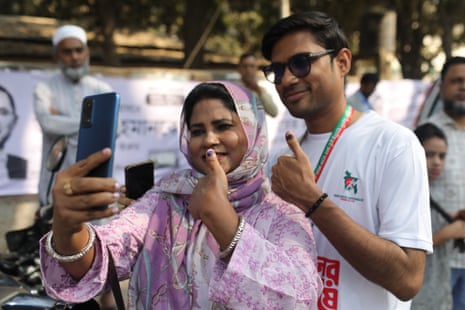
The path to this historic election began with the extraordinary Gen Z uprising that captured international attention and ultimately proved to be the catalyst for Sheikh Hasina's downfall. Young Bangladeshis, frustrated with economic stagnation, corruption, and authoritarian rule, took to the streets in unprecedented numbers, utilizing social media and grassroots organizing to mobilize a movement that transcended traditional political boundaries and class divisions.
Sheikh Hasina's regime, which had maintained power through increasingly authoritarian means, found itself unable to contain the popular uprising that began with student protests but quickly evolved into a nationwide movement demanding fundamental political change. The protests exposed the deep-seated grievances that had been simmering beneath the surface of Bangladeshi society, including concerns about human rights abuses, press freedom restrictions, and the systematic suppression of political opposition.
Tarique Rahman's leadership of the BNP during this transitional period proved crucial in positioning the party as a credible alternative to the discredited Hasina government. Rahman, who had spent years in exile during Hasina's rule, managed to reorganize the party's structure and messaging to appeal to both traditional BNP supporters and the younger generation of voters who had driven the uprising against the previous regime.
The democratic transition that followed Hasina's overthrow was carefully managed by an interim government that worked to restore confidence in the country's electoral institutions. This caretaker administration, supported by civil society organizations and international partners, implemented crucial reforms to ensure that the election would be free, fair, and credible in the eyes of both domestic and international observers.
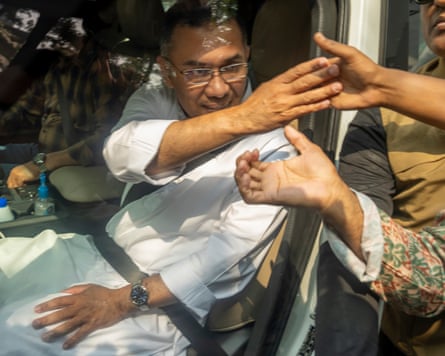
The international community had been closely monitoring Bangladesh's political developments, with major powers and regional organizations expressing concerns about the country's democratic backsliding under Hasina's increasingly authoritarian rule. The successful conduct of these elections and the peaceful transfer of power represent a significant victory for democratic values in a region where authoritarianism has been on the rise.
Economic challenges will likely dominate the early agenda of the new BNP government, as Bangladesh continues to grapple with inflation, unemployment, and the need for structural reforms to support sustainable growth. The garment industry, which serves as the backbone of the country's export economy, has faced increasing pressure from international buyers demanding better working conditions and environmental standards.
The new government will also inherit the complex task of rebuilding Bangladesh's international relationships, which had become strained during the final years of Hasina's rule due to concerns about human rights violations and democratic governance. Regional relationships with India and Pakistan will require careful navigation, as will Bangladesh's growing economic ties with China and its traditional relationships with Western nations.
Civil society organizations and human rights groups are cautiously optimistic about the prospects for improved governance under the new BNP administration. However, they emphasize the importance of concrete actions to restore press freedom, release political prisoners, and strengthen judicial independence after years of institutional erosion under the previous regime.
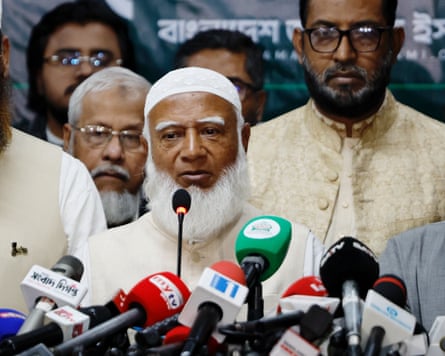
The role of Jamaat-e-Islami as the primary opposition party introduces an important dynamic into Bangladesh's political landscape. The Islamist party's significant showing in the election reflects the continued influence of religious identity in Bangladeshi politics, while also highlighting the need for the new government to navigate carefully between secular and religious constituencies.
Youth engagement in the political process, which was so crucial to the overthrow of the previous regime, will be essential to the success of Bangladesh's democratic renewal. The Gen Z activists who led the uprising against Hasina are now looking to see whether the new government will deliver on promises of greater political participation, economic opportunity, and social justice.
The historic victory of the BNP represents more than just a change in government; it symbolizes the resilience of democratic aspirations in a country that has experienced military coups, political violence, and authoritarian rule throughout much of its history since independence. The peaceful nature of this transition offers hope that Bangladesh may be entering a new phase of political maturity and democratic consolidation.
As the new government prepares to take office, the challenges ahead remain formidable. Climate change continues to pose existential threats to this low-lying nation, while rapid urbanization and population growth strain infrastructure and public services. The success of this democratic transition will ultimately be measured not just by the peaceful transfer of power, but by the new government's ability to deliver tangible improvements in the lives of ordinary Bangladeshis who courageously demanded change.
Source: The Guardian


