
Body Found in Remote NSW Linked to Triple Murder Suspect

A body discovered near an abandoned ute 50km from Lake Cargelligo is believed to be Julian Ingram, a suspected triple murderer wanted for killing three people in January.
A significant development has emerged in one of New South Wales' most serious criminal investigations, as authorities believe they have located the body of Julian Ingram, a man accused of committing a brutal triple murder in the remote town of Lake Cargelligo. The discovery, made approximately 50 kilometers north-west of the initial crime scene, marks a major breakthrough in a case that has gripped the nation since January and prompted an extensive manhunt across the rural landscape of western NSW. The body was found beside an abandoned ute in a desolate area, though formal identification procedures have yet to be completed by authorities.
The allegations against Ingram relate to a shocking sequence of events that unfolded in Lake Cargelligo, a town situated approximately 450 kilometers west of Sydney in the heart of New South Wales' remote interior. According to authorities, Ingram is accused of fatally shooting Sophie Quinn, her newly acquired boyfriend, and her aunt in what has been described as a tragic and violent incident. The three victims were known members of the Lake Cargelligo community, and their deaths sent shockwaves through the tight-knit rural area. At the time of the alleged murders, Ingram was out on bail pending court proceedings related to separate domestic violence charges that had been filed against him by Sophie Quinn herself.
The circumstances surrounding Ingram's alleged actions paint a disturbing picture of escalating violence and domestic conflict. The fact that he was already under legal scrutiny for domestic violence matters connected to his former partner highlights the concerning nature of the situation that unfolded in Lake Cargelligo. Authorities had been actively monitoring the case, yet the tragic outcome suggests that the legal protections in place may not have been sufficient to prevent the violent incident. This aspect of the case has raised important questions about bail conditions and risk assessment procedures in domestic violence cases throughout New South Wales.

The large-scale manhunt that commenced in January represented one of the most significant law enforcement operations in the region in recent memory. Julian Ingram, also known by the alias Julian Pierpoint, became the subject of an intensive search operation involving multiple police agencies and resources across New South Wales. He was last confirmed to be in the vicinity of Lake Cargelligo on January 22, at which point he was operating a Ford Ranger utility vehicle that bore council signage from the town. The vehicle's markings suggested Ingram may have been engaged in some form of municipal work or had access to council resources, which would have facilitated his movement throughout the region.
The discovery of the abandoned ute provides crucial investigative evidence, as authorities work to piece together the timeline of events following the alleged triple homicide. The location where the vehicle was found, approximately 50 kilometers from Lake Cargelligo, suggests Ingram traveled some distance from the crime scene before abandoning the Ford Ranger. This geographical detail has prompted investigators to examine the routes between Lake Cargelligo and the discovery site, as they attempt to reconstruct Ingram's movements during the critical period immediately following the alleged murders. The remote location of both the crime scene and the vehicle discovery underscores the challenging terrain law enforcement officers have been navigating throughout this investigation.
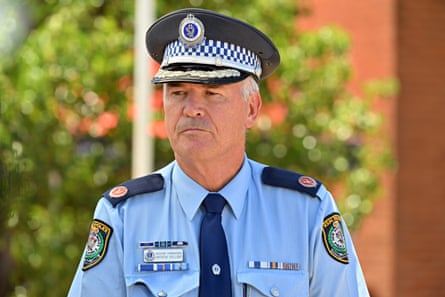
New South Wales Police released an official statement confirming that a man's body, believed to be Julian Ingram based on preliminary assessments, was discovered adjacent to the abandoned vehicle. However, authorities have emphasized that formal identification procedures remain ongoing, and no definitive confirmation has yet been made through official channels. The forensic examination and identification process represents a critical phase of the investigation, as investigators work to establish the cause of death and gather any additional evidence that may shed light on the final chapter of this tragic sequence of events. The New South Wales Police Department has indicated that further details will be released once identification has been formally completed.
This discovery brings to a conclusion the weeks-long pursuit of Ingram that has captivated public attention and dominated news coverage throughout New South Wales. The case has highlighted several important issues including domestic violence prevention, bail conditions, and the challenges law enforcement faces in managing high-risk individuals in remote areas. The tragic loss of three lives—Sophie Quinn, her boyfriend, and her aunt—represents a profound tragedy for their families, the Lake Cargelligo community, and the wider New South Wales region. As investigators continue their work, the focus will likely shift to understanding the motivations behind the alleged murders and examining what systemic improvements might prevent similar tragedies in the future.
The implications of this case extend beyond the immediate criminal investigation, raising broader questions about how the justice system addresses alleged domestic violence offenders and the risk management protocols employed when bail is granted to individuals facing serious charges. The fact that Ingram was permitted to remain free on bail while facing domestic violence allegations represents a crucial decision point in the case, and may become subject to review and analysis by legal experts and policy makers. The New South Wales government and law enforcement agencies will likely conduct comprehensive reviews of the circumstances surrounding this case to identify any potential improvements to existing procedures and protocols. Such reviews are standard practice following high-profile incidents and serve to inform future policy development and operational practices.
As the investigation progresses and formal identification procedures are completed, authorities will be working to gather comprehensive evidence regarding the circumstances of the deaths and any additional details that may have emerged following the alleged murders. The discovery of Ingram's body and the abandoned vehicle provides crucial forensic evidence that may answer longstanding questions about the timeline and circumstances of the case. The families of the three victims are expected to receive ongoing support from victim services and community organizations as they navigate the complex grief and trauma resulting from the tragic events. The conclusion of the manhunt, while bringing some measure of closure to this chapter, does not diminish the profound loss experienced by those who knew and loved Sophie Quinn, her boyfriend, and her aunt.
Source: The Guardian


