
Bolivia Gripped by Escalating Protests as US Issues Coup Warning

Bolivia faces intense civil unrest with clashes between demonstrators and police in La Paz entering second week, prompting US intervention warnings.
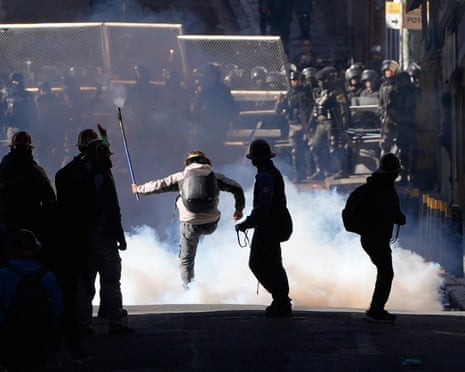
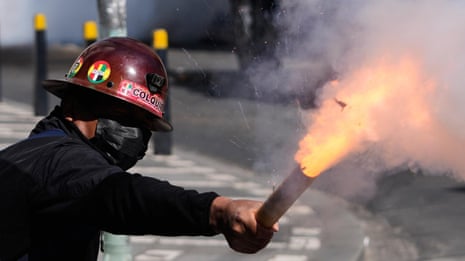
Bolivia is experiencing unprecedented turmoil as protests continue to grip the nation, with clashes between demonstrators and law enforcement intensifying across multiple cities. The unrest in La Paz has now entered its second consecutive week, transforming the capital's streets into volatile confrontation zones where citizens clash with police forces. The situation represents a critical test for the country's stability and democratic institutions during an exceptionally fragile political moment.
The centre-right president Rodrigo Paz Pereira finds himself navigating perhaps the most challenging period since assuming office just six months ago. His administration came to power following the conclusion of nearly two decades of rule by the leftwing Movimiento al Socialismo (Mas), marking a significant shift in Bolivia's political direction. The rapid deterioration of public order during his nascent presidency has raised serious questions about his government's ability to manage civil unrest and maintain control.
The road blockades stretching across Bolivia have created unprecedented logistical chaos, with transportation networks effectively paralyzed in major regions. Demonstrators have strategically positioned themselves to disrupt commerce and daily life, amplifying pressure on the government to respond to their grievances. These blockades represent a coordinated effort by protest organizers to demonstrate the breadth of dissatisfaction within Bolivian society.
In a significant international development, the United States has issued warnings regarding potential instability, with officials expressing concerns about the possibility of a coup d'état. The American diplomatic intervention suggests that international observers are increasingly alarmed by the trajectory of events in Bolivia. Such warnings carry substantial weight given the geopolitical importance of Bolivia in Latin America and its historical susceptibility to military intervention.
The police response to demonstrators has been increasingly aggressive, with reports indicating the use of riot control measures and tactical deployments throughout La Paz. Security forces have been mobilized extensively to attempt clearing protest sites and maintaining order in the capital city. The escalating confrontations between uniformed officers and civilians have resulted in numerous injuries and heightened tensions throughout affected communities.
The underlying causes of the current unrest appear rooted in broader economic and social dissatisfaction that has accumulated during the transition period between administrations. Many Bolivians who benefited from Mas policies over the past two decades express concerns about the new government's direction. The sudden shift in governance after such an extended period of leftwing leadership has created significant friction between different segments of society.
The Paz Pereira administration's response to the crisis has involved attempts at dialogue mixed with security force deployments. Government officials have indicated willingness to engage with protest leaders, though substantive negotiations have proven difficult to initiate. The administration faces the delicate challenge of demonstrating strength while simultaneously showing flexibility and responsiveness to legitimate grievances.
Regional stability implications of the Bolivian crisis extend beyond the nation's borders, with neighboring countries watching the situation carefully. The potential for the unrest to inspire similar movements in surrounding nations has prompted increased diplomatic activity across South America. International organizations have begun monitoring developments closely, aware that sustained instability in Bolivia could trigger broader regional disruptions.
Historical precedent weighs heavily on current events, given Bolivia's complicated history with military coups and political instability. The American warning about coup possibilities reflects awareness of these historical patterns and concerns that the military might intervene if civilian authority appears unable to restore order. Military leadership in Bolivia has maintained relative distance from political conflicts in recent years, though their position during this crisis remains uncertain.
The humanitarian impact of extended protests and police responses has become increasingly apparent, with reports of injuries among both demonstrators and security personnel. Healthcare facilities in La Paz have been strained by the influx of patients requiring treatment for protest-related injuries. Vulnerable populations have been particularly affected by disruptions to essential services and supply chains caused by widespread blockades.
Economic consequences of the sustained unrest are mounting, with businesses shuttered, exports delayed, and investor confidence shaken. Bolivia's already fragile economy faces additional headwinds from the disruptions caused by protests and blockades. The longer the crisis persists, the greater the potential damage to economic recovery efforts and employment prospects.
Looking forward, the resolution of Bolivia's current crisis will likely depend on the government's ability to engage meaningfully with protest organizers while maintaining sufficient order to prevent complete societal breakdown. The international community, particularly the United States, will likely continue monitoring developments and potentially applying diplomatic pressure. The coming weeks will prove decisive in determining whether Bolivia can navigate this turbulent period and restore stability under President Paz Pereira's leadership.
Source: The Guardian


