
Bolsonaro Son Caught Asking Banker for $26.8M

Leaked tape reveals Flávio Bolsonaro requesting millions from jailed banker to fund film about his father, former president Jair Bolsonaro.
Flávio Bolsonaro, Brazil's most prominent rightwing presidential contender, has been captured in leaked audio recordings requesting substantial financial backing from a banker facing corruption allegations. The disclosed voice memos and text communications reveal the senator seeking $26.8 million (£20 million) to finance a documentary film centered on his father, former president Jair Bolsonaro.
The controversial recordings surfaced on Wednesday through Intercept Brasil, an investigative journalism outlet known for exposing high-profile scandals in Brazilian politics. Flávio Bolsonaro subsequently acknowledged the authenticity of the materials, confirming his involvement in the communications. As a far-right senator, Bolsonaro currently shares polling statistics nearly equal to incumbent president Luiz Inácio Lula da Silva, positioning himself as a formidable political competitor in the lead-up to Brazil's crucial October election.
The emergence of these damaging audio recordings raises significant questions about ethical fundraising practices and potential conflicts of interest within Brazil's political establishment. The banker in question, already under legal scrutiny for alleged corruption charges, presents a particularly problematic financial partner for such a high-profile political figure. The timing of this revelation, coming months before a major electoral contest, could substantially impact voter perception and political dynamics across the nation.
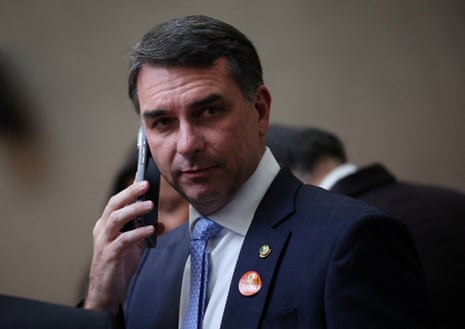
The leaked messages demonstrate direct communication between Bolsonaro and the banker, with specific monetary amounts and project details discussed between the two parties. This disclosure has intensified scrutiny regarding how prominent political families finance their various ventures and media projects. The conversation transcripts suggest deliberate negotiation and planning, indicating this was not a casual or informal request but rather a structured financial proposition.
Political analysts have noted that such conduct, if validated through further investigation, could constitute serious violations of campaign finance regulations and anti-corruption statutes in Brazil. The involvement of a corruption-accused banker in discussions with a presidential frontrunner amplifies concerns about inappropriate financial relationships between political operatives and individuals under legal investigation. These developments underscore broader concerns about political corruption and financial transparency in Brazilian electoral politics.
The documentary project itself was ostensibly designed to present a favorable portrayal of Jair Bolsonaro during a period when his political standing and public image require rehabilitation efforts. By commissioning a professional film production with substantial budget allocations, the Bolsonaro family appeared to be pursuing a strategic communications initiative to reshape his political narrative. The $26.8 million sum represents a considerable investment, suggesting serious intent and ambition regarding the project's scope and production quality.
Intercept Brasil's decision to publish these materials reflects the outlet's commitment to investigative journalism and governmental accountability in Brazil. The news organization obtained the recordings through undisclosed sources, demonstrating the persistence of internal leaks within Brazilian governmental and financial institutions. Such revelations have historically played significant roles in shaping public discourse and electoral outcomes in Brazil, particularly when they involve prominent political figures and their family members.
The presidential election scheduled for October represents a pivotal moment in Brazilian politics, with multiple candidates competing for influence and power. Flávio Bolsonaro's involvement in this controversy may influence his electoral prospects and his father's broader political rehabilitation efforts. The incident also raises questions about whether other members of the Bolsonaro family might be involved in similar financial arrangements or questionable business dealings.
Lula da Silva's campaign has likely seized upon this development as evidence of continued problematic behavior within the Bolsonaro political circle. The presidential race between these two distinct political camps represents a fundamental clash of ideologies and visions for Brazil's future direction. Every scandal or revelation involving prominent candidates receives extensive media coverage and shapes the electoral landscape substantially.
Brazilian federal investigators and anti-corruption authorities have expressed interest in examining these communications further. The materials may provide evidence relevant to ongoing investigations into financial impropriety and campaign finance violations within Brazil's political sphere. Legal experts have suggested that the recordings could potentially form the basis for formal charges against individuals involved, depending on applicable legislation and prosecutorial discretion.
The banking sector corruption implications of this case extend beyond the immediate political scandal, highlighting systemic issues within Brazil's financial institutions. Banks and banking professionals found facilitating questionable financial arrangements with political figures face increased regulatory scrutiny and potential sanctions. This case exemplifies how interconnections between financial and political elites can create networks of mutual benefit and shared vulnerability to exposure.
Public reaction to these revelations has been mixed, with supporters defending Bolsonaro family members and critics demanding thorough investigation and accountability. Social media platforms have become forums for intense debate regarding the appropriateness of the financial requests and the character of political leaders involved. The incident has reinvigorated discussions about the need for stronger campaign finance regulations and transparency requirements in Brazilian electoral law.
International observers monitoring Brazilian elections have noted the significance of this scandal within the broader context of Latin American political dynamics. Corruption allegations involving prominent politicians continue to be a defining feature of elections across the region, affecting voter behavior and institutional legitimacy. The Bolsonaro case contributes to growing global awareness of challenges facing Brazilian democracy and governance structures.
The film project itself has now become mired in controversy, with production likely suspended or canceled entirely in light of the public exposure. The reputational damage to both Flávio Bolsonaro and the associated banker will probably prove difficult to overcome, even with subsequent explanations or denials. The incident demonstrates how digital communications and recordings can suddenly transform private financial negotiations into public scandals with profound political consequences.
Source: The Guardian


