
Bondi Beach: Where Love Began and a Hero Fell

Sheina Gutnick testifies at royal commission, sharing how Bondi Beach—where her parents met—became the site of her father's heroic death defending his community.
Bondi Beach holds a deeply personal significance for Sheina Gutnick that transcends the typical tourist experience. For her, this iconic Australian coastline represents a tapestry of emotion—joy, nostalgia, pride, and profound loss all intertwined in a single location. It was here that her parents first met, beginning a love story that would span decades. It was here that she spent carefree childhood summers, building sandcastles and enjoying the simple pleasures of family life by the sea. Yet Bondi Beach also became the place where her father, Reuven Morrison, made the ultimate sacrifice, losing his life while defending his community against alleged terrorists.
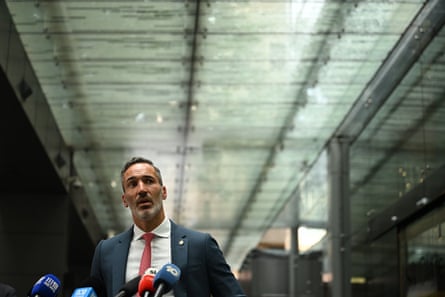
On the opening day of public hearings for the royal commission on antisemitism and social cohesion, Gutnick provided powerful testimony about her family's connection to Bondi and the tragic events that forever altered the landscape of her memories. Her appearance marked a significant moment in the investigation into one of Australia's most shocking attacks, bringing personal witness accounts to the forefront of public discourse. As the first witness called to share her experience, Gutnick's testimony would set the tone for the commission's broader examination of hate-motivated violence and its impact on communities.
"Bondi holds many complicated and conflicting feelings for me," Gutnick told the commission with evident emotion. The statement encapsulates the profound complexity of trauma—how a place associated with happiness and family bonding can simultaneously become a site of unbearable loss. Her words resonated through the hearing room, highlighting the deeply human cost of the violence that had touched her family so directly.

The royal commission's focus on antisemitism and social cohesion reflects growing concerns about hate-motivated violence in Australia. These public hearings represent an important step toward understanding the root causes of such attacks and examining how communities can be better protected from extremist threats. The commission seeks to explore not only the immediate circumstances of the incident at Bondi but also the broader social, cultural, and ideological factors that may contribute to antisemitic violence and community division.
Reuven Morrison's heroic actions during the attack demonstrated extraordinary courage and commitment to protecting others. Rather than seeking safety, he actively intervened to defend members of his community, showing a willingness to put himself in harm's way for others. His legacy extends beyond the tragic moment of his death, encompassing a lifetime of community involvement and values that prioritized the safety and well-being of those around him. The impact of his loss reverberates through his family and the broader community that benefited from his presence and dedication.
For Sheina Gutnick, the process of giving testimony at the royal commission represents more than just participating in an official investigation. It is an opportunity to publicly honor her father's memory, to ensure that his story is accurately documented, and to contribute to a broader understanding of how hate crimes affect families and communities. Her willingness to share her deeply personal experience in such a public forum demonstrates resilience and a commitment to meaningful change.
The Bondi Beach attack sent shockwaves through Australia and prompted urgent conversations about security, community safety, and the prevalence of extremist ideologies. As a beloved and heavily frequented public space, Bondi's association with the attack raised awareness about the vulnerability of open, inclusive community spaces to acts of violence. The incident prompted many Australians to confront uncomfortable questions about hate crimes, antisemitism, and the indicators that might warn of future attacks.
The royal commission's investigation seeks to provide comprehensive answers to these pressing questions. By examining the circumstances leading up to the attack, the responses of various authorities, and the impact on affected individuals and communities, the commission aims to develop recommendations that could prevent similar tragedies in the future. The testimony of witnesses like Sheina Gutnick provides invaluable firsthand accounts that inform this crucial work.
Antisemitism remains a significant concern in many Western democracies, including Australia. The royal commission's specific focus on this form of prejudice reflects recognition of the distinct nature and severity of antisemitic hate crimes. Understanding the manifestations of antisemitism, from explicit acts of violence to subtler forms of discrimination and social exclusion, is essential for developing effective prevention strategies and support mechanisms for affected communities.
The concept of social cohesion is equally important to the commission's mandate. Social cohesion refers to the strength of relationships and the level of trust within communities. Hate crimes like the one at Bondi Beach can severely damage social cohesion by sowing fear, deepening divisions between communities, and undermining public confidence in safety and inclusion. The commission's investigation into social cohesion examines how such attacks affect the fabric of society and what steps can be taken to rebuild and strengthen community bonds.
For families like Gutnick's, the path forward involves not only seeking justice and accountability but also finding ways to transform grief into constructive action. Many victims' families of terrorism and hate crimes have become advocates for change, using their platforms to educate the public, support other affected families, and push for policy reforms. Sheina Gutnick's participation in the royal commission exemplifies this approach, channeling her pain into meaningful participation in the process of preventing future violence.
As the royal commission continues its work, the testimonies of survivors, family members of victims, and other affected individuals will play a crucial role in shaping its findings and recommendations. These personal accounts add dimension and humanity to the statistical data and official records that might otherwise characterize such investigations. Through voices like Sheina Gutnick's, the true human cost of hate crimes becomes undeniable and impossible to ignore.
The story of Bondi Beach—from the place where Gutnick's parents began their life together to the site of her father's sacrifice—encapsulates the profound ways that tragic events intersect with personal and family history. It is a reminder that behind every statistic about hate crimes and violence are real people, real families, and real communities forever changed by these events. As Australia continues to grapple with these critical issues, the courage of witnesses like Sheina Gutnick in sharing their stories helps ensure that the lessons learned are never forgotten and that meaningful progress toward a more cohesive and secure society is possible.
Source: The Guardian


