
Bondi Inquiry Demands Better Police Response to Jewish Festival Threats

Royal commission interim report reveals NSW police failed to complete risk assessment for Chanukah event despite high terror threat warning before deadly Bondi attack.
A comprehensive interim report from the Bondi royal commission has unveiled critical gaps in security coordination for Jewish community events, following the tragic December terror attack that claimed 15 lives at Bondi Beach. The inquiry, formally established to examine antisemitism and social cohesion in Australia, has presented 14 recommendations aimed at preventing future incidents through improved law enforcement protocols and inter-agency communication.
The investigation centered on examining the actions taken by government agencies and law enforcement in the lead-up to the deadly shooting at the Chanukah by the Sea festival. Despite the seriousness of the incident, investigators found that existing legislation did not contain any identifiable loopholes that would have enabled the attacker to be prevented from carrying out the violence. However, the findings reveal significant operational failures in how police security assessments were conducted for the high-profile Jewish gathering.
Sydney's Jewish community had explicitly notified NSW Police of what they characterized as a "high" level of terrorist threat specifically targeting the December Chanukah by the Sea celebration at Bondi Beach. This formal notification represented a serious security alert that should have triggered comprehensive protective measures and detailed risk evaluations. Nevertheless, evidence presented to the royal commission demonstrates that NSW Police failed to execute a thorough and complete risk assessment process for this significant community event.
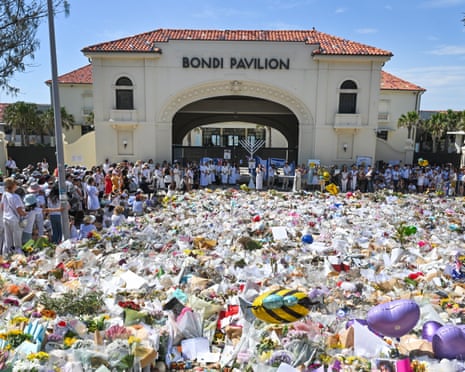
The interim report represents the first substantial findings from an inquiry that was established as a direct response to the tragic December attack. By calling for improved coordination among policing agencies at Jewish festivals and community events, the commission has highlighted a systemic weakness in how Australian law enforcement manages security for religious and cultural gatherings. The recommendations aim to establish clearer protocols, better information sharing, and more rigorous threat assessment procedures that will protect vulnerable communities while respecting civil liberties.
One of the most striking aspects of the inquiry's findings is that it did not identify any legislative gaps that could have prevented the attack. This conclusion suggests that the problems identified are primarily operational and procedural rather than related to insufficient legal frameworks. The focus on improving inter-agency coordination at Jewish events reflects the reality that Australia's existing laws may be adequate, but their implementation through policing strategies requires substantial reform and enhancement.
The Jewish community's proactive approach in alerting police to the heightened threat level demonstrates the collaborative relationship between law enforcement and community leaders. However, the failure of NSW Police to complete a comprehensive risk assessment in response to this warning raises serious questions about resource allocation, training, and the prioritization of security threat assessment procedures. The royal commission's findings suggest that even when communities provide clear warning signals, the police response may be insufficient without proper oversight and accountability mechanisms.
The 14 recommendations contained in the interim report are expected to have far-reaching implications for how Australian police departments, particularly in New South Wales, approach religious community security and event protection. These recommendations likely include suggestions for dedicated training programs, clearer communication channels between community organizations and law enforcement, and standardized procedures for conducting threat assessments at public gatherings. The commission's interim findings provide a roadmap for reform that could significantly enhance public safety while building trust with vulnerable communities.
The establishment of the royal commission itself reflects the gravity of the December attack and the government's commitment to understanding how such violence occurred and how it can be prevented in the future. The inquiry has been tasked with examining not only the immediate law enforcement response but also broader issues related to antisemitism in Australia and the social factors that may contribute to community tensions. By investigating the intersection of security failures and societal attitudes, the commission is taking a holistic approach to understanding and addressing the root causes of such violence.
As the royal commission continues its work toward a final report, the interim findings serve as an urgent call to action for policymakers, law enforcement agencies, and community leaders. The recommendations emphasize that effective security at Jewish festivals and similar events requires more than reactive responses to specific threats; it demands systemic improvements in how police departments plan, coordinate, and execute protective measures. The interim report indicates that Australia's security and law enforcement community has significant work to do in order to fulfill its obligation to protect all citizens, particularly those in communities that have become targets of violence.
The findings also underscore the importance of continuous dialogue between Jewish community organizations and government agencies. Moving forward, implementing the commission's 14 recommendations will require sustained commitment from multiple levels of government, dedicated funding for enhanced police security training, and institutional changes that prioritize thorough risk assessment and multi-agency collaboration. The interim report's emphasis on better coordination suggests that improved communication pathways and shared responsibility models will be central to preventing future tragedies.
As the nation continues to grapple with the aftermath of December's attack, the royal commission's work serves as both a reckoning with past failures and a blueprint for future improvements. The interim findings demonstrate that while Australia's legal framework may be sufficient, the practical implementation of security protocols for vulnerable communities requires urgent attention and substantial reform. The 14 recommendations represent the commission's assessment of what steps must be taken to ensure that Jewish festivals, community events, and public gatherings can proceed safely while maintaining the open, inclusive character that defines Australian society.


