
Book Bans Surge Across US Schools

Rising censorship wave reshapes what American students can read, learn, and think. Authors and educators warn of narrowing worldviews.
The United States is witnessing an unprecedented surge in book bans across public schools, a troubling trend that education advocates argue threatens intellectual freedom and limits student exposure to diverse perspectives. This rising tide of censorship has transformed library shelves and classroom curricula, fundamentally reshaping what young people are permitted to read, explore, and contemplate during their formative educational years. The movement has gained particular momentum in recent years, with organized efforts to remove titles deemed objectionable by parent groups and conservative organizations.
At the heart of this controversy stands Maia Kobabe, whose groundbreaking memoir Gender Queer has become the unlikely symbol of modern book banning efforts in America. The author, speaking from her home in Santa Rosa, California, originally crafted the work as a tender and thoughtful exploration designed to help her family understand her non-binary identity and personal journey of sexual discovery. "I tried to make it as sensitive and thoughtful as possible, especially given that I knew that my mother would read it," Kobabe explains. "I was trying to build bridges, trying to connect with people, trying to be understood as my full authentic self by my family and my friends and my community."
What began as a deeply personal narrative intended to foster familial understanding has instead become embroiled in broader culture wars and the coordinated campaigns of reactionary forces seeking to restrict access to books they view as threatening traditional values. For three consecutive years, Gender Queer held the distinction of being the most challenged title in the nation, facing removal attempts in schools and libraries from coast to coast. Kobabe recounts the frustrating experience of witnessing her work attacked by those claiming to protect young readers: "Many of the people who challenged my book in the early years, when it was conservative parents speaking up at school in board meetings, would hold it up and say this book is inappropriate or it's pornography and then they would proudly say: 'I've never read it.'"

The irony of book challenges based on content critics admit they haven't reviewed underscores a fundamental problem within the modern book-banning movement. Rather than engaging with texts substantively, many challengers rely on secondhand summaries, selective excerpts, or ideological assumptions about a book's content and intent. This approach represents a departure from traditional literary criticism or educational debate, instead substituting predetermined conclusions for actual engagement with the material. The result is a chilling effect on publishers, booksellers, and educators who face mounting pressure to self-censor or restrict access to controversial titles.
Educational institutions across the nation have reported escalating numbers of book removal requests, with some school districts capitulating to demands while others fiercely defend intellectual freedom. The American Library Association and various free speech advocates have documented this troubling pattern, warning that the trend disproportionately affects titles addressing LGBTQ+ themes, racial justice, sexuality education, and other socially contested subjects. Young people in affected communities find their reading options significantly constrained, potentially limiting their ability to explore diverse viewpoints and understand experiences different from their own.
Proponents of book restrictions argue they are protecting children from age-inappropriate content and asserting parental rights in curriculum decisions. However, critics counter that such efforts inevitably narrow the intellectual and imaginative horizons available to students during crucial developmental years. The impact on young people's worldview represents perhaps the most concerning long-term consequence of widespread book banning, as students are systematically prevented from accessing literature that might challenge assumptions, broaden perspectives, or validate marginalized experiences.
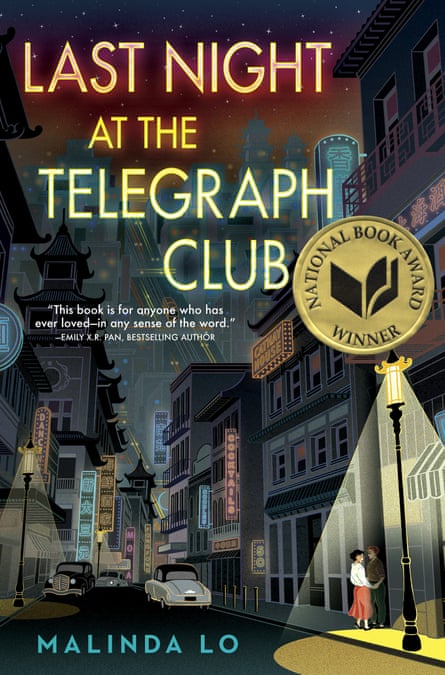
The mechanics of book-banning campaigns have grown increasingly sophisticated, with organized groups coordinating challenges across multiple jurisdictions simultaneously. Social media platforms amplify calls for removal, while political figures at state and local levels have begun championing restrictions as part of broader cultural agendas. Some school board meetings have devolved into contentious confrontations, with passionate advocates on both sides of the debate clashing over fundamental questions about educational autonomy, parental authority, and children's rights to access information.
Authors themselves have become unexpected activists in defense of intellectual freedom, using their platforms to highlight the dangers of widespread censorship. Many have shared personal stories of having their works challenged, removed from shelves, or preventing new books from ever reaching library collections due to fears of controversy. This has created an unsettling dynamic where authors must consider not just what they want to write, but whether publishing houses and retailers will support their work if it addresses politically sensitive topics.
The practical implications extend beyond individual books or authors. When school libraries remove titles in response to pressure campaigns, they effectively curtail the educational mission they're designed to serve. Students seeking information about sexuality, gender identity, reproductive health, or racial history may find themselves unable to access age-appropriate resources, potentially driving them toward less reliable sources of information. This information gap can have real consequences for student health, safety, and understanding of the world around them.
Historical context proves instructive when examining current book-banning trends. Previous eras of American history have witnessed similar waves of censorship, often targeting literature that eventually became recognized as essential to understanding the human experience and advancing social progress. Classic works by authors such as James Baldwin, Maya Angelou, and Margaret Atwood faced removal attempts, yet today these authors are widely taught in schools precisely because their work addresses important truths about society.
The connection between book access and educational equity cannot be overlooked in this discussion. Students from affluent families may still encounter restricted titles through bookstores, libraries, or their parents' collections, while those from lower-income families depend heavily on school and public library systems for reading material. In this way, book bans effectively amplify existing educational inequalities, creating different intellectual experiences based on geography and family resources rather than individual interest or ability.
Looking forward, the outcome of these competing visions for education remains uncertain. Advocacy organizations continue mobilizing to defend intellectual freedom, while book-banning movements show no signs of losing momentum. School boards and administrators navigate increasingly polarized communities, attempting to balance parental concerns with professional educational judgment and students' developmental needs. The resolution to this conflict will significantly shape what American children are permitted to read and contemplate as they grow into informed citizens.
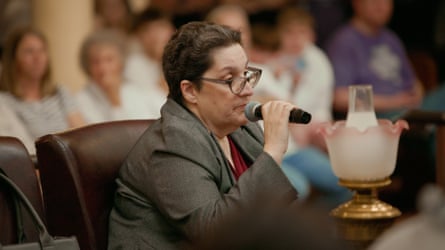
For authors like Maia Kobabe, the experience has been both validating and troubling. While her work's status as the most challenged book demonstrates the reality of modern censorship, it has also elevated her platform and intensified conversations about the importance of diverse literature in schools. Yet this silver lining cannot obscure the larger problem: thousands of other authors and books face challenges with far less public attention, quietly disappearing from shelves while students remain unaware of the restrictions shaping their educational environment.
Source: The Guardian


