
Booming Nigerian Content Creators Struggle to Monetize: Calls for Gov't Support

As online advertising declines, Nigeria's thriving skit-makers and streamers face challenges in turning their content into sustainable income. Experts call for more government investment and tax breaks.
Nigeria's online content creation industry has experienced a remarkable boom in recent years, with a surge of talented skit-makers and streamers captivating audiences across the country. However, as the traditional advertising model that supports many digital platforms continues to evolve, these creators are now facing the challenge of monetizing their work and turning their passion into a sustainable livelihood.
On a humid afternoon in Lagos, a shoot for a comedy skit is underway on a set that resembles a small film production. Dozens of people mill about, including lighting assistants, a sound engineer, a makeup artist, and a content creator recording unscripted behind-the-scenes footage. At the center of it all is Broda Shaggi, born Samuel Animashaun Perry, issuing instructions, rehearsing lines, and performing caricatures.
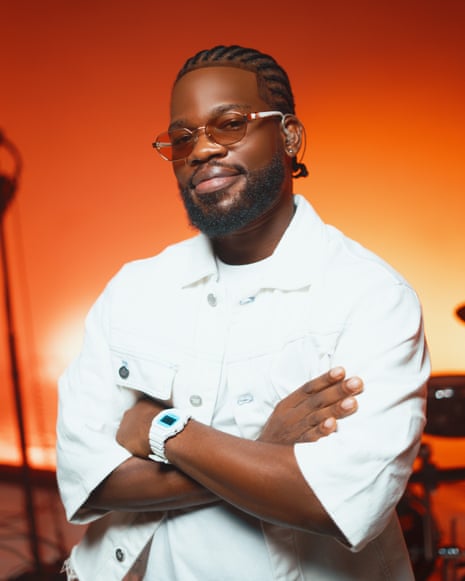
This scene is emblematic of the thriving content creation industry in Nigeria, where talented individuals are leveraging platforms like YouTube, TikTok, and Instagram to showcase their skills and build a loyal following. However, as platforms make less from advertising, these creators are struggling to monetize their work, leading to calls for more government investment and tax breaks to support the industry.
"The online content creation market in Nigeria has grown tremendously, with creators producing a wide range of content, from comedy skits to lifestyle vlogs and educational tutorials," explains media analyst Amaka Ezeh. "But the challenge they face is turning this popularity into sustainable income. As advertising revenues decline, creators are having to find new ways to monetize their work."

One of the key issues is the lack of a robust monetization infrastructure for Nigerian creators. While platforms like YouTube and TikTok offer some monetization options, such as ad revenue sharing, these often fall short of meeting the financial needs of content creators, especially those just starting out.
"Many creators are forced to rely on alternative income streams, such as brand partnerships, merchandise sales, and even crowdfunding, to make ends meet," says Ezeh. "But these can be time-consuming and unpredictable, making it difficult for creators to build a sustainable business."
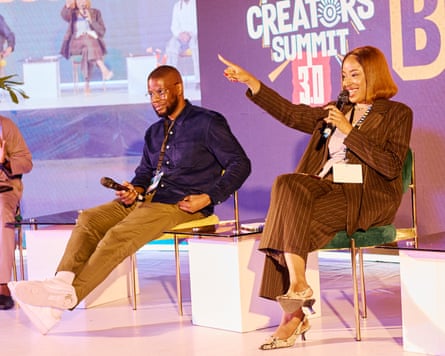
To address these challenges, industry experts and government officials are calling for more support and investment in the content creation sector. This could include the introduction of tax incentives for creators, the development of specialized funding programs, and the creation of a regulatory framework that protects the rights and interests of content creators.
"The Nigerian government needs to recognize the immense potential of the online content creation industry and take steps to nurture and support it," says media entrepreneur Chuka Obi. "With the right policies and infrastructure in place, these talented creators can not only build successful careers but also contribute to the country's economic growth and cultural development."
As the digital media landscape continues to evolve, the challenges facing Nigeria's content creators will only become more complex. But with the right support and investment, these passionate individuals have the potential to turn their creativity into a thriving, sustainable industry that can inspire and entertain audiences both at home and around the world.


