
Boosting Australia's Defense: Labor Unveils $53B Plan for the Decade Ahead

Labor's new defense strategy aims to increase spending to 2.4% of GDP, but still falls short of Trump's demands. Details on the integrated investment program and special funding initiatives.
Labor is set to unveil a new national defense strategy that will see an additional $53 billion invested in defense spending over the next decade. The plan, to be announced by Defense Minister Richard Marles, will boost the current budget by $14 billion over the next four years.
The new strategy will see defense spending rise to around 2.4% of GDP - a significant increase, but still falling short of the 3.5% demanded by former US President Donald Trump for America's allies.
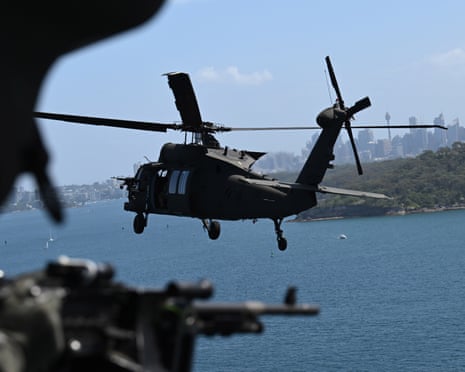
The plan includes the creation of new special investment programs to fund increases in military capability using private capital. This innovative approach aims to leverage additional resources to enhance Australia's defense posture.
The unveiling of the new national defense strategy comes at a critical time, with geopolitical tensions and security challenges on the rise globally. The Labor government is seeking to bolster Australia's military might and strategic positioning in the face of these evolving threats.
The increased defense spending will be used to strengthen key areas of capability, including advanced technology, force modernization, and personnel training and readiness. These investments are designed to ensure Australia's defense forces are well-equipped and prepared to address a range of security scenarios.
While the Labor government's plan falls short of Trump's demands, it represents a significant commitment to enhancing Australia's defense posture and safeguarding the nation's interests in an increasingly complex global landscape.
The unveiling of the new national defense strategy is expected to generate intense political debate and scrutiny, as the government seeks to balance security priorities with fiscal responsibility. The outcome of this plan will have far-reaching implications for Australia's role in the global security landscape.
Source: The Guardian


