
Boy's 60-Year Secret: Medieval Tiles Returned

After nearly six decades, a man returns three decorative medieval tiles he pocketed as a child from Wenlock Priory, discovered in an old toffee tin.
A remarkable story of honesty and historical preservation has unfolded in Shropshire, England, as a man finally returned precious medieval tiles he took as a souvenir nearly 60 years ago. Simon White, now in his late sixties, discovered the three pieces of decorative clay tiles tucked away in an old toffee tin while sorting through his belongings, prompting him to make the decision to return them to their rightful home at Wenlock Priory. The tiles, which date back to the late 13th and early 14th centuries, had been sitting innocuously in the tin for decades, a forgotten relic from a childhood adventure.
The extraordinary journey of these historical artifacts began during a family visit to Wenlock Priory in Shropshire in the late 1960s, when young Simon White was just nine years old. During what was likely intended as a simple educational outing to explore the historic ruins, the curious youngster made the impulsive decision to pocket three decorative tiles as a personal memento of his visit. At that age, the gravity of removing artifacts from a protected historical site probably did not fully register, and what seemed like an innocent souvenir at the time would eventually become a matter of conscience decades later.
Wenlock Priory stands as one of England's most significant examples of medieval monastic architecture, with its foundations tracing back to the 7th century. The priory served as an important religious and cultural center throughout the medieval period, and its floors were adorned with intricate decorative tiles that showcased the craftsmanship and artistic sensibilities of the era. These tiles were not merely functional elements of the floor but represented valuable pieces of medieval craftsmanship that provided insights into the daily life, beliefs, and artistic traditions of medieval England.

For nearly six decades, the tiles remained hidden away in the toffee tin, moving through various stages of Simon White's life. He carried them through different homes, different chapters, perhaps occasionally opening the tin to remember that youthful escapade at the historic site. The tiles became a quiet keeper of memory, a tangible connection to childhood wonder and historical exploration. Yet over the years, as Simon matured and his understanding of history and cultural preservation deepened, the decision to keep the tiles likely began to weigh on his conscience.
The catalyst for returning the tiles came when Simon White stumbled upon them again while engaging in the common task of organizing personal belongings. Finding the three pieces in their toffee tin container stirred something within him—perhaps a renewed appreciation for their historical significance, or a desire to set right what had been taken so many years earlier. This moment of rediscovery transformed what had been a forgotten transgression into an opportunity for cultural restitution and historical preservation.
The specific nature of these medieval tiles makes their return particularly significant to archaeologists and historians. Decorative floor tiles from this period are increasingly rare, as many were lost, damaged, or removed over the centuries of the priory's existence. Each surviving tile provides valuable information about medieval production techniques, aesthetic preferences, and the resources available to religious institutions during this era. The patterns and designs inscribed on these particular tiles offer clues about the broader artistic movements and cultural influences that shaped medieval English monasticism.
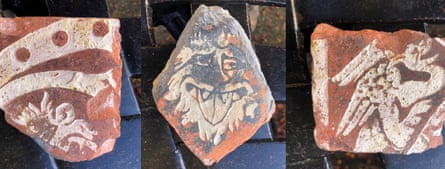
When Simon White finally made the decision to return the tiles to Wenlock Priory, he contacted the appropriate authorities and made arrangements to hand over his childhood souvenirs. The return of these artifacts was undoubtedly met with appreciation from the site's custodians and from English Heritage, which manages the property. For institutional caretakers of historical sites, such returns are often celebrated because they represent the successful recovery of pieces that would otherwise remain lost to the historical record and public understanding.
This story serves as a powerful reminder of the importance of artifact preservation and the responsibility that comes with access to historical sites. While many people visit archaeological locations and museums without incident, the temptation to take small souvenirs has always been a challenge for site managers and conservators. Each visitor who removes even a small piece diminishes the collective historical record and can compromise the integrity of ongoing archaeological research and historical interpretation.
The return of Simon White's tiles also illustrates how conscience and reflection can guide individuals toward ethical choices later in life. What began as a thoughtless act of a nine-year-old child ultimately became an example of responsibility and historical stewardship. Many people who took souvenirs decades ago from various historical sites may still possess them, unaware of the impact such removals have on our collective cultural heritage. Stories like this one potentially inspire others to consider returning artifacts they have held onto for years.

For Wenlock Priory specifically, the recovery of these tiles contributes to a more complete picture of the site's original appearance and decoration. Archaeologists and historians can now study these three pieces in context with other recovered materials, potentially learning more about the tiling patterns used throughout the priory's floors. Modern conservation techniques allow experts to carefully examine such artifacts, extract maximum historical information, and preserve them for future generations of researchers and visitors to appreciate.
The remarkable journey of these three medieval tiles from Shropshire—taken in the 1960s and returned in the 21st century—encapsulates larger themes about history, responsibility, and cultural preservation. Simon White's decision to return what he had taken as a child demonstrates that it is never too late to make amends and contribute positively to the preservation of our shared historical heritage. As heritage sites around the world continue to educate visitors and inspire curiosity about the past, stories like this serve as both cautionary tales and inspirational examples of how individuals can play a role in protecting irreplaceable historical resources for generations to come.
Source: The Guardian


