
BP Profits Surge Past $3.2B Amid Oil Price Spike

BP's quarterly profits more than double to $3.2bn as oil and gas prices soar. Energy company credits exceptional trading operations performance.
BP's quarterly profits have surged dramatically, more than doubling in the first quarter of the year as oil and gas prices climbed sharply in response to geopolitical tensions in the Middle East. The London-based energy giant reported underlying profits of $3.2 billion for the three-month period ending in March, a remarkable increase from $1.38 billion in the same quarter the previous year. This exceptional performance significantly exceeded analyst expectations, which had anticipated profits of around $2.67 billion, underscoring the unexpected strength of the company's operations.
The energy firm attributed much of its impressive financial performance to what executives described as an "exceptional" contribution from its oil trading operations. This division benefited substantially from the volatile pricing environment created by ongoing geopolitical uncertainty in the Middle East region. The heightened tensions have created sustained demand for energy commodities and provided lucrative opportunities for traders to capitalize on price fluctuations and supply concerns.
Oil prices have remained elevated throughout the first quarter, driven by concerns about potential supply disruptions and regional instability. The conflict-driven energy market has created a premium on crude oil and natural gas, reflecting investor anxiety about the reliability of supplies from one of the world's most critical energy-producing regions. BP's trading arm was well-positioned to capitalize on these price movements, executing strategies that generated substantial profits during the volatile period.
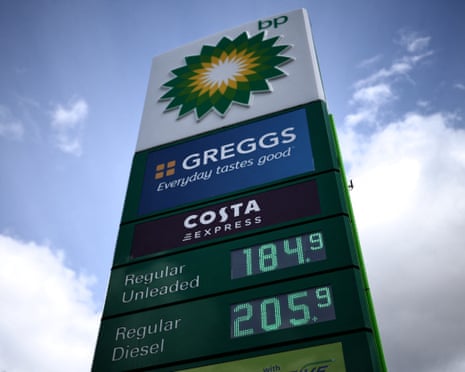
The company's overall operational performance demonstrated resilience across multiple business segments during an uncertain economic period. Beyond trading profits, BP's upstream operations—which include oil and gas exploration and production—also benefited from the elevated commodity prices. Production volumes remained stable while the higher price realization for each barrel sold and unit of gas produced contributed meaningfully to the bottom line.
This earnings announcement comes at a significant moment for the global energy sector, which has witnessed considerable volatility over the past few years. The transition toward renewable energy and energy transition investments has created uncertainty about long-term fossil fuel profitability, making these quarterly results particularly noteworthy for shareholders. BP's strong performance signals that traditional energy companies can still generate substantial returns in favorable market conditions, even as they navigate the broader shift toward cleaner energy sources.
Analysts have pointed out that the exceptional results should be viewed within the context of the unique market conditions that prevailed during the quarter. The heightened geopolitical tensions provided a temporary boost to energy prices that may not be sustainable indefinitely. However, the company's demonstrated ability to execute well operationally and manage its trading risks effectively has impressed investors and market observers.

The financial results position BP well for continued shareholder returns and capital investments in the coming quarters. The company's management indicated that the strength of this quarter's performance provides flexibility for capital allocation decisions, including potential increases to dividends or share buyback programs. These additional distributions to shareholders have become an important competitive factor in the energy sector, where investor appeal depends partly on the reliability and magnitude of cash returns.
Looking forward, industry observers remain divided on the sustainability of current energy price levels. Some analysts suggest that prices may normalize as markets adjust to the realities of supply and demand, while others believe that structural factors will keep prices elevated. BP's investors will be closely monitoring how the company manages this uncertainty in the quarters ahead, particularly given its significant exposure to commodity price fluctuations.
The company's strong balance sheet and cash generation during this period also strengthen its position to invest in renewable energy projects and other sustainable initiatives. BP has publicly committed to reducing its carbon emissions and transitioning toward cleaner energy sources, and the substantial cash flows from its traditional business provide the financial resources necessary to pursue these objectives while maintaining dividend payments to shareholders.
Regulatory scrutiny of major oil companies remains elevated, particularly regarding their environmental impact and contribution to climate change. BP's impressive quarterly profits may draw renewed attention to questions about appropriate taxation and regulatory frameworks for the energy industry. The company operates in a complex regulatory environment across multiple jurisdictions, each with distinct requirements regarding environmental compliance and resource taxation.
The earnings announcement reinforces the cyclical nature of the energy business, where commodity prices drive profitability more than operational efficiency or volume growth. This reality underscores both the opportunity and the risk inherent in energy sector investments. Shareholders benefit enormously during periods of elevated prices but face significant headwinds when commodity values decline, as they inevitably do in the commodity cycle.
BP's trading operations have emerged as an increasingly important profit driver for the company, reflecting the volatility and complexity of modern energy markets. The sophisticated risk management systems and experienced trading teams that generate these profits represent valuable competitive advantages. These specialized operations require significant investment in technology, personnel, and infrastructure to maintain effectiveness in rapidly changing market conditions.
Going forward, BP and other major energy companies will need to balance the immediate opportunities presented by strong energy prices against the longer-term necessity of transitioning their business models. The company's substantial first-quarter results provide a strong financial foundation for this challenging transition. Investor confidence in management's ability to navigate this complex landscape will likely depend on the clarity and credibility of the company's long-term strategic vision.
The broader energy sector will be watching closely to see whether other major oil and gas producers report similarly strong results, indicating that the exceptional performance reflects industry-wide conditions or whether BP's results represent company-specific excellence in execution. These comparative results will help investors assess the relative competitive positioning of different energy companies and inform portfolio allocation decisions within the sector.
Source: The Guardian


