
Brisbane Man Faces Hate Crime Charges After Synagogue Attack

A 32-year-old man has been charged with serious vilification after allegedly ramming his Toyota Hilux into Brisbane synagogue gates in the CBD.
A hate crime investigation is underway in Brisbane after a 32-year-old man deliberately targeted a synagogue with his vehicle, sparking concerns about rising antisemitism in Australia's major cities. The incident, which occurred in the heart of Brisbane's central business district, has prompted serious criminal charges against the alleged perpetrator. While police have ruled out terrorism connections, the deliberate nature of the attack has sent shockwaves through the local Jewish community and raised questions about religious safety in Queensland.
The dramatic incident unfolded on Margaret Street when the man allegedly drove his Toyota Hilux utility vehicle directly into the entrance gates of the synagogue shortly after 7pm on Friday evening. Witnesses reported hearing a loud crash as the vehicle made contact with the property's security barriers, causing significant damage to the entrance structure. The timing of the attack, during evening prayer services, has heightened concerns about the intentional targeting of worshippers during their religious observances.
Queensland Police moved quickly to apprehend the suspect and have since laid multiple charges including serious vilification and hate crime offenses. The 32-year-old faces a complex legal battle as investigators work to piece together his motivations and determine whether the attack was premeditated. Legal experts suggest that hate crime charges carry significant penalties in Queensland, reflecting the state's commitment to protecting religious minorities from targeted violence and intimidation.
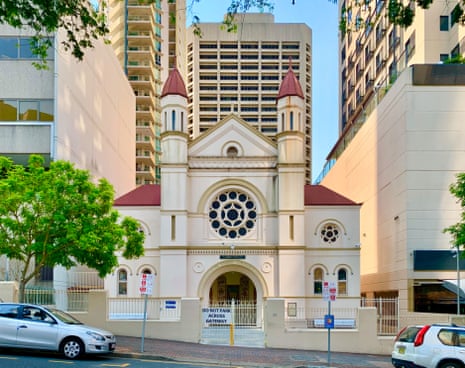
Detective Senior Sergeant Michael Thompson confirmed that while the incident bears hallmarks of a deliberate attack on a religious institution, preliminary investigations have not uncovered evidence linking the suspect to organized terrorist networks. This distinction is crucial in determining the scope of the investigation and the resources allocated to the case. However, police emphasize that the absence of terrorist connections does not diminish the severity of the charges or the impact on the targeted community.
The Brisbane Jewish community has expressed shock and concern following the attack, with religious leaders calling for increased security measures at synagogues and other Jewish institutions across Queensland. Community spokesperson Rabbi David Cohen described the incident as a stark reminder of the vulnerabilities faced by minority religious groups in contemporary Australia. The attack has prompted discussions about the adequacy of current security protocols and the need for enhanced protective measures at places of worship.
Margaret Street, located in Brisbane's bustling CBD, is home to several significant religious and cultural institutions, making the location of the attack particularly concerning for local authorities. The street typically experiences heavy foot traffic during evening hours, raising questions about public safety and the potential for bystander injuries during such incidents. Security camera footage from surrounding businesses is being reviewed as part of the ongoing investigation to establish a comprehensive timeline of events.
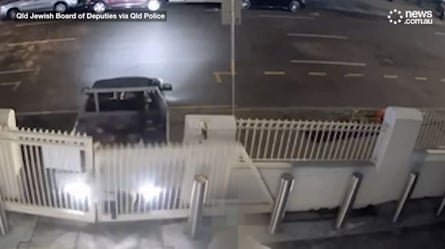
This incident occurs against a backdrop of increasing reports of antisemitic incidents across Australia, with Jewish community organizations documenting a rise in both verbal harassment and physical attacks on religious properties. The Executive Council of Australian Jewry has been tracking these trends and advocating for stronger hate crime legislation at both state and federal levels. Their data suggests that synagogues and Jewish schools have become increasingly frequent targets of vandalism and intimidatory behavior.
Queensland's hate crime legislation, which covers serious vilification offenses, carries maximum penalties of up to seven years imprisonment for the most severe cases. The charges reflect the state's recognition that attacks on religious institutions cause harm that extends far beyond property damage, affecting entire communities and undermining social cohesion. Legal proceedings in this case will likely focus on establishing the defendant's intent and the extent to which his actions were motivated by religious hatred.
The damaged synagogue serves a congregation of approximately 200 families and has been a fixture of Brisbane's Jewish community for over four decades. Founded in the early 1980s, the institution provides religious services, educational programs, and cultural events that strengthen community bonds and preserve Jewish traditions. The attack on such a central community hub has resonated deeply among members who view the building as both a spiritual sanctuary and a symbol of their place in Australian society.
Forensic investigators are examining the Toyota Hilux for additional evidence that might shed light on the planning and execution of the attack. Vehicle examinations can reveal crucial information about the defendant's movements in the hours and days leading up to the incident, potentially uncovering premeditation or links to other suspects. The utility vehicle, a popular choice among Australian drivers, sustained damage during the collision and has been impounded as evidence.
Community leaders are working closely with Queensland Police to assess security vulnerabilities and implement additional protective measures at Jewish institutions throughout Brisbane. These discussions involve reviewing access controls, lighting systems, surveillance equipment, and emergency response protocols. The goal is to balance the need for security with the desire to maintain welcoming environments for worship and community activities.
The broader implications of this attack extend beyond the immediate Jewish community, touching on fundamental questions about religious freedom and safety in multicultural Australia. Politicians from across the spectrum have condemned the incident, with Premier Annastacia Palaszczuk stating that Queensland has zero tolerance for attacks motivated by religious hatred. Such political responses reflect growing awareness of the need to protect minority communities from targeted violence.
As the legal process unfolds, the case will likely serve as a test of Queensland's hate crime prosecution capabilities and send a message about the state's commitment to protecting religious minorities. The defendant is expected to appear in Brisbane Magistrates Court within the coming weeks, where the full extent of the charges will be revealed. Legal observers suggest that the case could set important precedents for future hate crime prosecutions in Queensland and potentially influence similar legislation in other Australian states.
Source: The Guardian


