
Bristol's Summer of Civil Rights: A New Activist Era

Bristol launches ambitious summer campaign to become UK's civil rights capital, commemorating the historic 1963 bus boycott with events.
Bristol is stepping into the spotlight as a city committed to social justice and activism with the launch of an ambitious new campaign designed to establish it as the UK civil rights capital. The initiative was unveiled on Wednesday, marking a significant moment in the city's history by coinciding with the anniversary of the groundbreaking 1963 Bristol bus boycott, one of the most pivotal moments in British civil rights history.
The city's activist heritage runs remarkably deep, stretching back centuries through various movements and individuals who have challenged the status quo. From the theological movements inspired by John Wesley's followers in the 18th century to the contemporary citizens who made international headlines by removing the controversial statue of slave trader Edward Colston in 2020, Bristol has consistently demonstrated a commitment to progressive change and social consciousness.
This newly announced campaign represents a deliberate effort to harness that historical momentum and translate it into a comprehensive summer of activist events that will inspire citizens to develop a societal manifesto for the city's future. The timing is symbolic and meaningful, as it acknowledges one of the most significant civil rights achievements in British history while positioning Bristol as a modern leader in social justice movements.
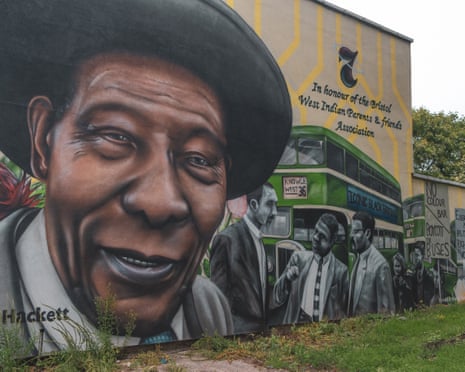
The 1963 Bristol bus boycott stands as a watershed moment in British civil rights history, yet remains underappreciated in broader narratives about equality movements. The boycott was initiated by members of Bristol's Caribbean and African communities in response to discriminatory employment practices by the Bristol Omnibus Company, which refused to employ drivers from minority backgrounds. This peaceful protest lasted for months and ultimately led to significant policy changes, making it a crucial precursor to wider civil rights legislation in the United Kingdom.
Bristol's decision to commemorate this anniversary through a summer-long program of events acknowledges the ongoing struggle for equality and the importance of remembering those who fought for change. The campaign serves as both a tribute to past activists and an inspiration for current and future generations to continue the work of building a more just and equitable society. By positioning the city as the UK's civil rights capital, Bristol is making a clear statement about its values and its commitment to addressing systemic inequalities.
The removal of the Edward Colston statue in 2020 demonstrated that this activist spirit remains very much alive in modern Bristol. The statue, which commemorated a man who profited enormously from the enslavement of African people, had stood in the city center for over 100 years. The peaceful toppling of this monument by thousands of protesters sent shockwaves through the nation and sparked important conversations about historical accountability and the legacy of colonialism in British cities.

Rather than viewing the removal of the statue as an endpoint, city leaders and community organizations are using it as a springboard for deeper reflection and actionable change. The summer campaign aims to move beyond symbolic gestures to create meaningful dialogue about systemic racism, historical injustice, and pathways toward genuine social transformation. Events planned throughout the season will likely include exhibitions, lectures, community discussions, and artistic performances that explore Bristol's role in civil rights history and contemporary social justice movements.
The concept of developing a societal manifesto through these events is particularly significant, as it suggests that Bristol's citizens will have a voice in shaping the city's future direction and priorities. This grassroots approach to governance and community planning reflects a democratic commitment to including diverse perspectives in conversations about social change. Rather than imposing top-down solutions, the city is inviting residents to collectively envision what a truly equitable Bristol could look like.
This campaign also contextualizes Bristol within a broader conversation about how cities across the United Kingdom are reckoning with their historical relationships to imperialism, slavery, and institutional racism. Bristol has particular significance in this conversation due to its deep historical connections to the transatlantic slave trade, which enriched the city's merchants while devastating millions of African lives. Acknowledging this history openly and working toward reconciliation and justice is essential for any city claiming the mantle of civil rights leadership.
The summer program is expected to attract activists, scholars, artists, and citizens from across the United Kingdom and potentially beyond, all interested in learning from Bristol's unique position at the intersection of historical civil rights achievements and contemporary social justice movements. The city has already established itself as a hub for activism and progressive thought, and this official campaign will further cement that reputation while providing structure and resources to amplify these important conversations.
Community organizations, universities, cultural institutions, and local government are likely collaborating to ensure the program reaches a broad audience and addresses multiple dimensions of civil rights and social justice. This multifaceted approach recognizes that meaningful change requires engagement across different sectors of society and that different communities may have different priorities and perspectives on what civil rights means in a modern context.
The campaign also offers an opportunity to highlight contemporary civil rights issues, including racism, economic inequality, housing discrimination, and access to justice. By connecting historical struggles to present-day challenges, Bristol can help citizens understand how the work of earlier activists remains unfinished and how current generations must continue the fight for equality and justice. This intergenerational dialogue is crucial for sustaining momentum on social justice issues and preventing the kind of historical amnesia that has allowed injustices to persist for so long.
Bristol's ambition to become the UK's civil rights capital is more than a marketing initiative or cultural moment—it represents a genuine commitment to using the city's unique history and activist energy to inspire broader social transformation. By creating a summer filled with events, discussions, and creative expressions centered on civil rights and social justice, Bristol is demonstrating that cities can be laboratories for progressive change and spaces where historical consciousness informs contemporary action. The manifesto that emerges from these events could serve as a blueprint for other communities seeking to address their own histories and chart more equitable futures, making Bristol's initiative relevant far beyond its city boundaries.
Source: The Guardian


