
Britain's Vape Crisis: 6 Million Devices Clogging Recycling

Waste professionals warn that discarded vapes pose a £1bn-a-year recycling problem in the UK, despite the government ban on disposables.
The disposable vape ban has done little to stem the tide of electronic waste flooding British recycling facilities. Despite regulatory measures intended to curb consumption, waste management professionals across the country are reporting an unprecedented surge in discarded vaping devices, with estimates suggesting that six million units are entering the waste stream annually. The economic and environmental implications are staggering, with industry experts calculating that this vape recycling crisis represents approximately £1 billion in annual costs to the waste management sector.
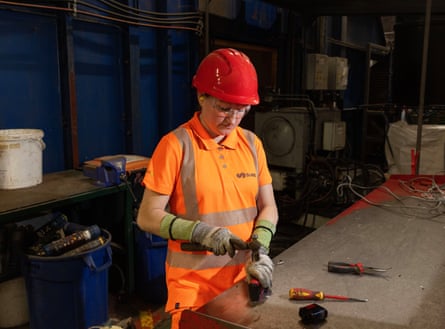
At the Suez recycling plant positioned just outside Birmingham city centre, the reality of this crisis manifests itself in tangible, daily challenges for workers like Ana, a 47-year-old site operative who has become intimately familiar with the peculiar demands of processing disposable vapes. Standing beneath the industrial signage of the "Non-ferrous sorting station," she faces bucket after bucket of discarded devices that represent both a logistical nightmare and an environmental concern. Her role requires meticulous attention to detail and considerable physical effort, as each device must be carefully dismantled to extract and properly segregate its constituent components.
The process of recycling vapes is far more complicated than disposing of conventional electronic waste. Each bucket Ana receives typically contains between 40 and 50 individual devices, yet she manages to process only approximately half a bucket during her entire shift. Using a hammer as her primary tool, she methodically smashes open each vape device, carefully extracting the lithium-ion batteries that power them and meticulously separating each component into designated containers for different material streams. This labor-intensive approach reflects the absence of automated systems specifically designed for vape processing, leaving workers to perform what is essentially manual disassembly work.
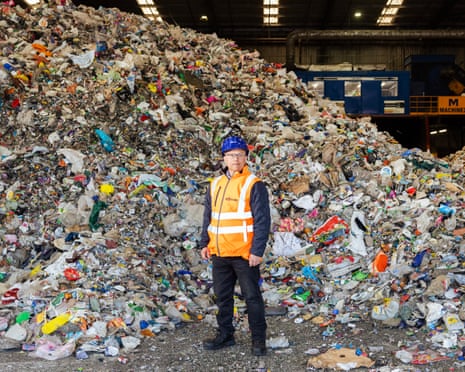
The environmental impact of vapes extends far beyond the immediate burden placed on recycling infrastructure. Each disposable device contains not only a rechargeable lithium-ion battery but also various electronic components, plastic casings, and in many cases, traces of nicotine liquid. When these items are improperly disposed of or sent to standard landfill sites without proper processing, they pose significant risks to soil and water systems. The batteries alone are particularly problematic, as lithium-ion technology can potentially cause fires when subjected to the mechanical stress of industrial waste processing equipment.
Industry analysts point out that the current waste management challenge was largely predictable. Following the introduction of stricter regulations around single-use vaping devices, many expected the market to contract significantly. However, enforcement has proven difficult, and consumer demand has remained stubbornly high. The disconnect between policy intent and practical outcomes has created a situation where recycling facilities find themselves overwhelmed by a product category that their infrastructure was never originally designed to accommodate.
The financial dimensions of this crisis cannot be understated. Waste professionals estimate that the cost of vape disposal and recycling constitutes a staggering £1 billion annual burden on the UK's waste management industry. This figure encompasses everything from the specialized labor required to process devices safely, to the infrastructure modifications necessary to handle the volume, to the potential environmental remediation costs associated with improper disposal. For many smaller recycling operations, this unexpected expense has strained already tight budgets.
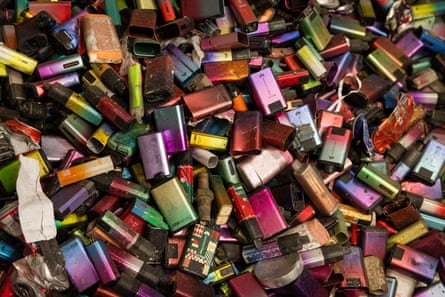
The hazards associated with processing vapes present another layer of complexity to the recycling industry challenges. Because many devices contain pressurized cartridges and volatile chemical compounds, the risk of fire or explosion during processing is a genuine concern. Workers like Ana must exercise extreme caution when handling these items, and facility managers have implemented additional safety protocols specifically for vape processing. Some recycling centers have reported incidents of fires starting during waste processing, incidents that could have been catastrophic had they occurred in the wrong location or under the wrong conditions.
Regulatory agencies have been slow to respond to the scale of the problem. While the government implemented a ban on disposable vapes, the enforcement mechanisms and coordination with waste management authorities appear to have been inadequately developed. This has created a situation where manufacturers continue producing devices at high volumes, knowing that the regulatory framework lacks sufficient teeth to effectively prevent market entry. Meanwhile, recycling facilities absorb the costs and operational burdens of managing products they never anticipated handling at such volumes.
The situation at Suez's Birmingham facility represents a microcosm of challenges being faced at recycling plants throughout the United Kingdom. Similar stories emerge from facilities in Manchester, London, Glasgow, and numerous other cities, all reporting dramatic increases in vape processing demands over recent months and years. The cumulative effect of millions of these devices entering the waste stream has created what waste management professionals describe as an industry-wide crisis requiring urgent intervention and investment.
Looking forward, waste professionals are advocating for several policy interventions to address the vape waste problem. These include stronger enforcement mechanisms for the existing ban on disposables, extended producer responsibility programs that would require manufacturers to fund collection and recycling infrastructure, and investment in specialized processing technology designed specifically for vaping devices. Without such interventions, experts warn that the problem will continue to escalate, with potentially serious consequences for both environmental quality and public health.
The story of Ana and her bucket of vapes ultimately reflects a broader failure of policy coordination and foresight. A regulatory ban that was intended to eliminate a category of consumer products has instead created a waste management crisis that may prove even more costly and environmentally problematic than the original phenomenon it was designed to address. As Britain's recycling infrastructure strains under the weight of six million discarded vapes annually, the urgent need for comprehensive policy reform and industry-wide solutions becomes increasingly apparent.
Source: The Guardian


