
British Activists Hospitalized After Gaza Flotilla Interception

Two British activists from a Gaza aid flotilla say they required hospital treatment after being detained and allegedly abused by Israeli forces near Crete.
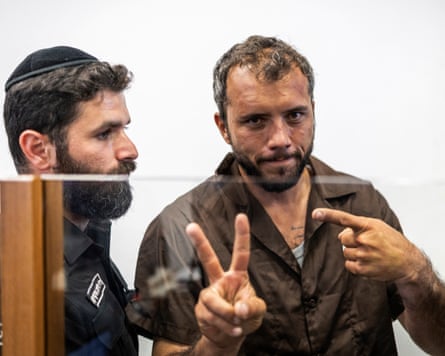
Two British activists have come forward with serious allegations following a dramatic maritime interception in international waters, claiming they were subjected to physical abuse by Israeli Defense Forces personnel. Alice Chapman and Zak Khan, both participants in the Global Sumud flotilla, assert that they experienced beatings, kicks, and spitting during their detention, an incident that has reignited international debate over aid convoy operations and military enforcement tactics in disputed waters.
The pair were among approximately 180 members of the humanitarian convoy who were intercepted and detained by the IDF in international waters near Crete during the late evening hours of Wednesday. Both individuals subsequently required hospital care following their release, with medical documentation reportedly confirming injuries consistent with physical assault. Chapman and Khan have detailed accounts of their treatment, describing a harrowing experience that they believe violated international maritime law and humanitarian standards.
The Gaza aid flotilla represented one of the most significant organized attempts to deliver humanitarian supplies to the Palestinian territory in recent months. Participants aboard the various vessels comprising the convoy had collected medical supplies, educational materials, and food items intended for distribution among affected civilian populations. The mission reflected growing international concern about the humanitarian situation in Gaza and the movement's commitment to peaceful, non-violent resistance against what organizers characterize as an illegal blockade.
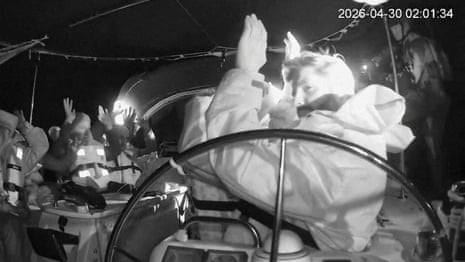
Chapman and Khan's accounts provide detailed descriptions of the moments following their vessel's interception. According to their statements, Israeli personnel boarded the ship using military-style tactics, employing riot shields and other equipment typically deployed in conflict situations. The detention process reportedly involved aggressive handling, verbal abuse, and physical violence directed at crew members and activists who offered no armed resistance. Both individuals maintain that their treatment was disproportionate to any legitimate security concerns and that peaceful conduct was met with unnecessary brutality.
Medical assessments conducted following the activists' hospitalization documented visible injuries including bruising, contusions, and other trauma consistent with blunt force impact. Hospital records obtained by supporters of the flotilla initiative indicate that both individuals underwent treatment for their injuries and received documentation of their medical condition. These medical findings lend evidentiary weight to the allegations of abuse and provide concrete substantiation beyond eyewitness testimony alone.
The incident has prompted immediate reactions from human rights organizations and international advocacy groups focused on monitoring compliance with maritime law and humanitarian principles. Various NGOs specializing in human rights documentation have announced plans to formally document the allegations and coordinate with relevant international bodies. The case has become emblematic of broader concerns regarding the treatment of humanitarian workers and activists engaged in peaceful maritime operations.
Legal experts have begun analyzing the incident through the lens of international maritime conventions and humanitarian law principles. The interception in international waters raises complex questions about jurisdictional authority, proper procedures for maritime security operations, and the protection afforded to humanitarian personnel under international agreements. Several legal scholars have opined that if the allegations of abuse are substantiated, they may constitute violations of multiple international protocols and conventions governing the treatment of detained individuals.
The Global Sumud flotilla operation represents part of a larger, organized movement aimed at challenging what participants describe as restrictions on maritime access to Palestinian territories. Similar initiatives have been attempted periodically over the past decade and a half, each generating significant diplomatic and legal controversy. This particular convoy drew participation from activists, journalists, doctors, and humanitarian workers representing numerous countries and organizational affiliations, reflecting the international dimension of support for such initiatives.
British government representatives have reportedly been approached regarding the incident and the treatment of its citizens. The Foreign Office has indicated that consular assistance has been provided and that inquiries are being made through appropriate diplomatic channels. Government spokespersons have expressed concern about the allegations while maintaining careful diplomatic language pending further investigation and verification of the claims.
The timing of the flotilla's interception coincided with heightened regional tensions and ongoing international discussions regarding humanitarian access to Gaza. Various international organizations have called for independent investigations into the specific circumstances of the detention and the treatment of those aboard the vessels. The incident has contributed to growing international scrutiny of enforcement operations and the methods employed during maritime security activities in contested waters.
Witnesses aboard other vessels in the convoy have corroborated certain aspects of Chapman and Khan's accounts, providing independent verification of the general circumstances surrounding the interception. Additional testimony from crew members has documented the rapid deployment of Israeli military personnel, the systematic detention process, and the conditions experienced during the subsequent holding period. This convergence of testimony from multiple independent sources strengthens the evidentiary foundation for the allegations being investigated.
The broader implications of the flotilla incident extend beyond the immediate treatment allegations. The operation has reinvigorated international debate regarding the legitimacy of maritime blockades, the rights of humanitarian organizations to conduct aid operations, and the appropriate balance between security concerns and humanitarian access principles. Advocacy organizations have utilized the incident as a focal point for mobilizing international attention and generating political pressure regarding these contested issues.
Chapman and Khan have indicated their willingness to participate in formal investigations and to provide detailed statements to relevant international bodies. Both activists have expressed their commitment to the humanitarian principles underlying the flotilla mission and have indicated that their experiences, while traumatic, will not deter future participation in similar initiatives. Their statements have been preserved through video testimony and comprehensive written documentation for potential use in future legal or investigative proceedings.
The incident underscores ongoing tensions between security operations and humanitarian principles in contested maritime zones. As the situation continues to develop, international organizations monitoring human rights and humanitarian law compliance will likely maintain close attention to any official investigations or statements regarding the flotilla interception. The case may ultimately contribute to broader policy discussions regarding maritime operations, humanitarian access, and the treatment of civilians and activists engaged in non-violent humanitarian work.
Source: The Guardian


